
Add Row
Add Element
HOME SERVICE HUB
Add Element
  • Home
  • Categories
    • Smart Home Solutions
    • Gardening
    • Landscaping
    • Home Exterior
    • Outdoor Living
    • Smart Homes
    • Lawncare
    • Lighting Solutions
    • Plumbing Tips
  • Featured Business Profiles
December 17.2024
3 Minutes Read

Choosing Your Ideal Bathroom Faucet: Single vs. Double Handles Explained

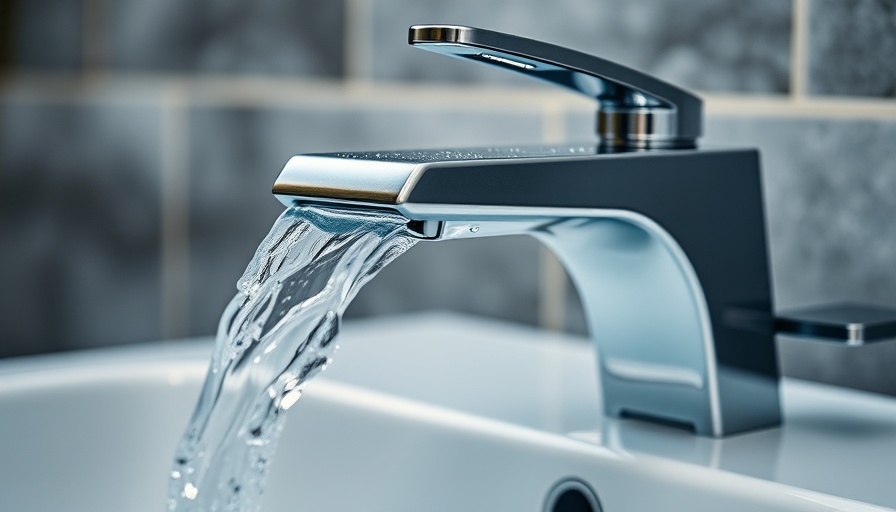
Sleek metallic bathroom faucet with flowing water in focus.

The Great Faucet Debate: Choosing Between Single and Double Handles

Choosing the right bathroom faucet might seem trivial at first, but it can actually have a significant impact on your daily routines and the aesthetic of your home. The decision essentially boils down to a choice between single-handle and double-handle designs, each offering unique advantages and challenges. A single-handle faucet allows for straightforward, one-handed operation, making it a preferable option for those seeking convenience and ease of installation. Meanwhile, double-handle faucets provide more precise temperature control, appealing especially to individuals who have grown accustomed to traditional design aesthetics.

Understanding the Benefits of Single-Handle Faucets

Single-handle faucets offer simplicity and a sleek, modern look that suits contemporary bathroom designs well. They combine water temperature and flow control into one lever, allowing for easy adjustments. This feature is especially practical for those who need a quick solution, perhaps when washing hands or filling a glass of water. Additionally, single-handle faucets are easier to install and maintain compared to their double-handle counterparts, potentially saving both time and effort.

Double-Handle Faucets: Precision at Your Fingertips

Double-handle faucets, on the other hand, boast the beauty of classic design, fitting seamlessly into bathrooms with a vintage or traditional theme. They come with separate controls for hot and cold water, giving users precise control over water temperature, which can be advantageous during colder months or for more particular users. However, this requires a bit more effort, as adjusting the water to the desired temperature involves using both handles, which might not be as convenient for everyone.

Historical Context: How Faucet Designs Evolved

The evolution of faucet designs mirrors technological advancements and changes in consumer preferences over time. Originally, double-handle faucets were the norm, reflecting the technological constraints of earlier plumbing systems. With the advent of modern materials and engineering, single-handle designs became possible and gained popularity due to their minimalist operation. Understanding this progression can help homeowners appreciate the technological marvels at work within their plumbing systems.

Making an Informed Choice for Your Bathroom

Ultimately, choosing between single-handle and double-handle bathroom faucets requires you to weigh factors such as usability, design preference, and overall functionality for your household. Consider who will be using the faucet, frequency of use, and whether precise temperature control is important to you. By understanding the unique characteristics of each design, you can make a selection that enhances both the utility and style of your bathroom, enriching your everyday life.

Future Trends: Smart Faucets and Design Innovations

Looking ahead, the future of bathroom faucets is trending towards smart technology integration, promising even smarter solutions to traditional plumbing challenges. Future faucets may feature touchless operation, app-controlled temperature settings, and water-saving functions, aligning with growing trends in smart home solutions. Such advancements not only improve convenience and efficiency but also contribute to sustainable water usage, an increasingly critical consideration for eco-conscious homeowners.

Discovering the right balance between style, practicality, and future readiness can enhance your daily experiences and increase your font of home comfort.

Plumbing Tips

7 Views

0 Comments

Write A Comment

*
*
Related Posts All Posts
12.13.2025

Understanding Private Construction Employment: Opportunities for Homeowners

Update A Shifting Landscape: The Growth of Private Construction Employment The private construction industry has experienced an interesting trajectory over the past year, with job growth continuing to stabilize despite external pressures. As reported in recent data, the sector added about 11,000 jobs in the last month alone, marking a notable increase compared to previous months. This uptick suggests a robust demand for construction professionals as certain private-sector segments, particularly non-residential building and the myriad of trade sectors, show promising signs of recovery and growth. For homeowners looking to upgrade plumbing systems or other fixtures, this market dynamic could lead to more options and competitive pricing. Wages and Employment Amidst Challenges Construction wages are also witnessing an upward trend, with the average hourly rate rising to $39.33—a 24% premium over the average private-sector worker. Such financial incentives are particularly attractive to those considering pursuing a career in construction or those transitioning to higher-skilled trade roles. However, challenges remain, including significant labor shortages and ongoing concerns about materials prices. For homeowners, this means potential delays or increased costs when seeking renovations or repairs in their properties. Therefore, proactivity and early engagement with contractors could be beneficial. Technological Advancements Influencing Employment Trends As the construction industry adapts to labor challenges and evolving market demands, the incorporation of technology plays a crucial role. Construction firms are increasingly investing in artificial intelligence and other digital tools to streamline workflows and enhance productivity. This shift not only addresses labor shortages but also improves quality control, which is vital for homeowners seeking reliable and efficient service. Embracing new technologies also aids contractors in meeting the growing expectations of consumers who prioritize sustainability and efficiency in their projects. Public vs. Private Demand: A Divergent Outlook While optimism reigns in the public-sector construction landscape, particularly in infrastructure projects and renewable energy initiatives, certain private-sector areas are struggling. For example, contractors are bullish about water and sewer project developments. For homeowners considering plumbing upgrades or renovations, understanding the shifts in contractors' focus can guide their choice of service providers. Public sector investment often reflects future trends in private decisions, allowing homeowners to align their upgrades with anticipatory market movements. Future Predictions: What This Means for Homeowners Looking ahead, analysts predict continued growth in private construction sectors, albeit unevenly across various areas. Homeowners can expect to see more competition among contractors, particularly as skilled labor becomes increasingly available. However, they should remain cautious of potential fluctuations in material costs and supply shortages. Taking the time to communicate with local contractors, understand their schedules, and explore various projects could provide homeowners with advantageous outcomes in terms of both service quality and cost-effectiveness. Making Informed Decisions: Your Next Steps For homeowners aiming to upgrade their plumbing fixtures or other systems, navigating this evolving construction environment means capitalizing on market trends and contractor availability. Given the reported boosts in private construction employment, homeowners should consider reaching out to contractors sooner rather than later to discuss their project needs, secure favorable terms, and ensure that they lock in competitive pricing. Conclusions and Call to Action The private construction employment landscape reflects a mixture of stability and change, presenting numerous opportunities for homeowners. By actively engaging with contractors and making informed decisions about upgrades and renovations, homeowners can enhance their properties while supporting the burgeoning construction workforce. To gain more insights into keeping abreast of construction trends and for personalized advice, sign up for the Mechanical Hub newsletter. Stay informed and equip yourself with knowledge that can directly affect your home improvement efforts.

12.12.2025

Burst Pipe Emergency? Immediate Steps Homeowners Must Take

Update Why Every Second Counts in a Burst Pipe Emergency When the sudden crack of a pipe disrupts your calm at home, your reaction in the first five minutes can drastically change the outcome of the disaster. The process for tackling a burst pipe can seem overwhelming, especially when every second can lead to either manageable repairs or costly water damage. Understanding the steps to take immediately can save you time, money, and stress. Minute 1: Shut Off Your Main Water Supply Stopping the flow of water is your first priority. Locate your main shut-off valve—often found in basements or crawl spaces—and turn it clockwise until it stops. Knowing the exact position of this valve ahead of time can save valuable moments during an emergency. Bringing everyone in your household to this valve will ensure that, should disaster strike, no time is wasted searching for how to stop the flooding. Minute 2: Ensure Electrical Safety If water is seeping near electrical outlets or appliances, turn off the electricity at your breaker box immediately. This critical action prevents deadly electrical hazards that could occur if water and electricity mix. If the flood has seeped near your electrical panel and it's unsafe to approach, don’t take the risk; evacuate and call an electrician. Minute 3: Relieve Pressure Open all faucets in your home to relieve the pressure in your plumbing system and to help drain any remaining water. This counterintuitive step can prevent further leaks and reduce water damage in other areas. Start with the faucets closest to the burst and work your way through your home, remembering to check outdoor spigots. Minute 4: Begin Damage Control Now that the immediate dangers are mitigated, it’s time to focus on control measures. Move electronics and furniture away from the water, place buckets under active drips, and soak up any standing water with towels or a wet/dry vacuum. Open cabinet doors under sinks to improve air circulation, which helps mitigate mold growth. Minute 5: Call a Plumbing Professional With the situation stabilized, contacting an emergency plumber is paramount. The challenges of Northern Pittsburgh homes, from aging infrastructure to frigid winters, require the expertise of professionals who can diagnose and fix the problem swiftly. Provide them with crucial information on the situation when you call, including where the burst occurred and any visible damage. Post-Emergency Actions: Document and Dry Once the immediate crisis is controlled, focus on documentation for insurance claims. Taking photos and videos now can help substantiate your claim later. Be sure to dry out all affected areas completely to prevent mold growth, which can occur within 24-48 hours in damp conditions. Use fans, dehumidifiers, and ventilation to ensure quick drying. Preventing Future Emergencies After navigating the stress of a pipe burst, taking steps to prevent future issues is essential. Insulate your pipes properly, especially in the winter months. Regular maintenance and inspections will help detect any underlying issues before they result in an emergency. Some simple measures include: Wrapping exposed pipes in insulation. Sealing air leaks to keep pipes warmer. Monitoring water pressure to avoid pressure-induced failures. Keeping the thermostat above 55°F during cold spells. Being prepared and knowledgeable about how to respond will save you both money and stress in the future. Take charge of your home’s plumbing now, and it may just save you from catastrophic repairs later on.

12.11.2025

Unlock Better Plumbing with the Powerful JM-1000 X Mini-Jet™

Update Why Water Jetting is Essential for Homeowners In the world of home maintenance, managing plumbing issues is a top priority for homeowners. Clogs can cause a host of problems, from water backups to property damage. That's where the JM-1000 X Mini-Jet™ comes in, revolutionizing the way we approach these stubborn blockages. This portable water jetting equipment offers a new solution specifically designed for clearing tough clogs, delivering an impressive 1500 psi of high-pressure water cleaning. Upgrading Your Plumbing Arsenal: The Importance of the JM-1000 X The JM-1000 X Mini-Jet™ stands out not just for its power but for its compact design, making it ideal for those who may not have much space to store tools. Weighing in at just 23 lbs, it combines serious cleaning capabilities with portability. Its upgraded features allow for better balance and ease of use, crucial for tackling tough clogs in places like kitchens and laundry rooms. Plus, this tool's enhanced design protects its components, ensuring that it can withstand the rigors of frequent use. Power You Can Count On: Tackling Common Plumbing Challenges In home plumbing, grease buildup is notorious for causing frustrating clogs. Traditional methods often just poke a hole through the blockage, leading to recurring issues. The JM-1000 X Mini-Jet™, however, provides wall-to-wall water spray that efficiently flushes out grease, sand, and even ice from pipes ranging from 1-1/2" to 3". This makes the JM-1000 X not just a tool but a necessity in effectively maintaining clear drainage systems. Future-Proofing Your Home Maintenance Routine As homeowners look to enhance their plumbing fixtures and overall maintenance tools, investing in advanced equipment like the JM-1000 X Mini-Jet™ becomes a smart choice. The high-tech design ensures that homeowners are not just managing current clogs but are also prepared for versatility in the challenges that future plumbing issues may present. Local vs. Global Perspectives: A Wider View on Water Jetting Understanding the implications of effective water jetting can help homeowners appreciate its necessity. In increasingly urban environments, clogged plumbing systems are not just a local problem; they contribute to larger systemic issues within municipal sewage systems. Having access to advanced tools like the JM-1000 X can empower individuals to address minor plumbing problems before they escalate, making a difference in the community at large. Taking Action: How to Get Started with the JM-1000 X Mini-Jet™ If you're ready to elevate your plumbing maintenance game, consider reaching out for a demonstration of the JM-1000 X Mini-Jet™. This high-pressure jetter is not just a tool; it’s a solution that will enhance your home's plumbing system, making your cleaning routine less stressful and more effective. You can contact the Drain Brains at 800-245-6200 or email info@drainbrain.com for further information.

Terms of Service

Privacy Policy

Core Modal Title

Sorry, no results found

You Might Find These Articles Interesting

T
Please Check Your Email
We Will Be Following Up Shortly
*
*
*