
cropper
HOME SERVICE HUB

Home Improvement, HVAC & Local Service Guides

  • Home
  • Categories
    • Smart Home Solutions
    • Gardening
    • Landscaping
    • Home Exterior
    • Outdoor Living
    • Smart Homes
    • Lawncare
    • Lighting Solutions
    • Plumbing Tips
  • Featured Business Profiles
January 11.2025
3 Minutes Read

Discover Optimal Strawberry Spacing for a Bountiful, Disease-Free Harvest

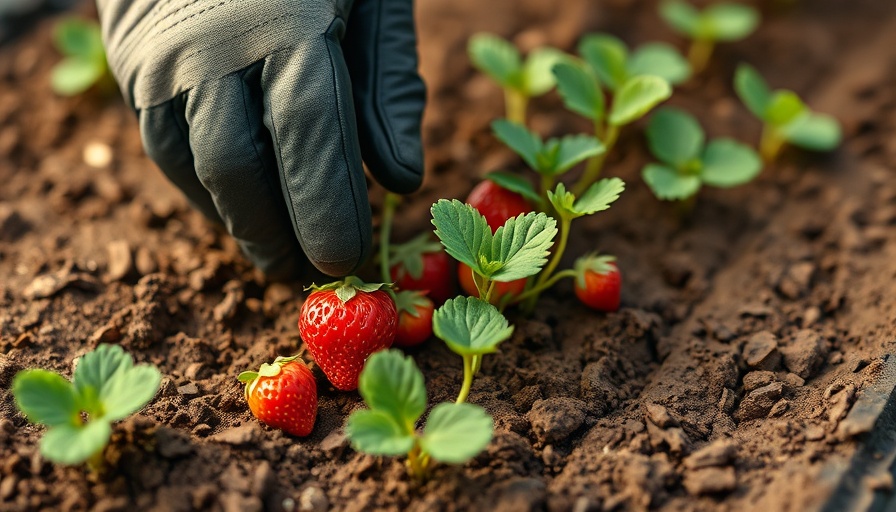
Gloved hand showing strawberry planting with best spacing

The Key to a Bountiful Strawberry Harvest: Optimal Plant Spacing

For any homeowner dreaming of a luscious strawberry garden, understanding the importance of proper plant spacing is vital. Getting the spacing just right ensures healthier plants, higher yields, and an excellent use of your garden space. This guide will help you achieve sweet success, whether your strawberries are nestled in the ground, raised beds, or cozy containers.

Understanding Strawberry Varieties

Before we dive into planting strategies, let's take a moment to familiarize ourselves with the various types of strawberries. These succulent gems come in three primary forms: day-neutral, everbearing, and June-bearing.

Day-neutral strawberries promise a steady supply of berries throughout the growing season. Everbearing varieties are your go-to for two annual harvests—one in early summer and another in autumn. For those planning to jam up summer’s produce, June-bearing strawberries deliver a large yield in June.

Remember, the type you choose sets the stage, but proper spacing is what ensures your garden thrives. Following these guidelines will help prevent disease and pest issues common in crowded beds.

Why Spacing Matters

Providing strawberries with ample space is about more than just aesthetics; it crucially impacts your garden’s health. Adequate spacing improves airflow, reducing the risk of diseases like verticillium wilt and gray mold. It also deters pests, such as slugs, from hiding out in dense foliage.

When plants aren't competing for sunlight, water, and nutrients, they flourish. This arrangement results in larger, juicier fruits, though the spacing doesn't directly influence their taste. Your goal: create a garden environment primed for robust growth and generous fruiting.

Choosing the Right Planting Site

Your gardening adventure will begin with selecting an appropriate site. Whether you're tending to raised beds, in-ground plots, or charming containers, considering space beforehand helps you avoid overcrowding, ensuring each plant has enough room to prosper.

Remember, buying the right amount of plants for your available area is a wise, cost-effective move. In this way, you're not tempted to overplant in an attempt to make use of surplus plants, as that could endanger the flourishing of the entire garden.

Potted vs. Bare-Root Strawberries

Once you've established your layout, the next decision is whether to grow potted or bare-root strawberries. While potted plants might seem convenient, they're generally more costly and may offer limited choice when purchased locally. On the other hand, bare-root options, often sold in bundles, provide broader selections and potential cost savings.

Regardless of your choice, remember that each plant counts on you for room to thrive. Every inch of spacing contributes to healthier plants and a heartier harvest.

Actionable Tips for Gardening Excellence

Consider implementing a simple garden map to plan your layout, ensuring each strawberry plant has optimal space. Stay vigilant about checking for signs of diseases or pests, as timely intervention can save your crops. Lastly, engage your gardening community for advice and seeds of wisdom—shared experiences often lead to blossomed gardens.

Landscaping

15 Views

0 Comments

Write A Comment

*
*
Please complete the captcha to submit your comment.
Related Posts All Posts
08.20.2026

Discover How to Grow Wild Bergamot for a Beautiful Garden

Update Wild Bergamot: A Colorful Addition to Your Garden As mid-summer transforms the edges of nature’s paths into vibrant displays of color, one plant stands out in the wild: wild bergamot (Monarda fistulosa). With its stunning mauve blooms, this native perennial not only adds beauty but also provides essential support for pollinators like bees and butterflies. It's an easy-to-grow choice for homeowners looking to enhance their gardens while fostering a healthy ecosystem. Why Choose Wild Bergamot for Your Garden Wild bergamot, also known as wild bee balm, is a drought-resistant wonder that flourishes in various environments, from prairie fields to meadows. It’s not just about aesthetics; planting wild bergamot establishes a natural habitat, contributing to the survival of essential pollinators. The Xerces Society recognizes it as a valuable nectar source for monarch butterflies and other vital wildlife. Furthermore, its resilience in cold climates, capable of withstanding temperatures as low as -30°F, makes it a hardy companion in any garden. Optimal Growing Conditions One of the remarkable features of wild bergamot is its adaptability. It can thrive in full sun to partial shade, and it prefers soil that has been enriched with compost. While it can flourish in poor soil conditions, a nutrient boost at planting time can enhance growth. Space your plants about 12 to 18 inches apart to ensure they have room to breathe, and consider their height (up to four feet) when planning your garden layout, ensuring they don’t overshadow smaller plants. Planting and Care Tips for Wild Bergamot Growing wild bergamot from seed is straightforward. You can sow them indoors six to eight weeks before the last frost or directly outside in early spring or fall. Users should scatter the seeds on moist soil and mist gently to avoid displacing them. In terms of maintenance, these plants require little attention. Watering at the base to prevent powdery mildew and deadheading flowers can encourage prolonged blooming. Encourage Wildlife in Your Backyard By adding wild bergamot to your garden, you’re not just planting a flower; you’re creating a sanctuary for pollinators. Hummingbirds, bees, and butterflies will flock to the vibrant tubular flowers, increasing biodiversity in your area. The flower and leaves are even edible, which adds a fun twist for adventurous gardeners looking to incorporate new flavors into their cooking. Fall Maintenance and Harvesting Practices As summer fades, wild bergamot prepares for its next season by drying seed heads that can feed birds throughout the winter. These can also be collected for replanting, ensuring your garden continues to thrive. Plants can be divided every three years for better health and spacing, and this practice supports continued flowering and growth. Your Next Steps to a Pollinator-Friendly Garden Adopting wild bergamot into your landscaping not only beautifies your space but also makes a positive impact on the environment. For homeowners interested in gardening, now is the perfect time to plan for your next planting season. Whether it’s through seasonal sowing or by nurturing existing plants, you can contribute to the ecosystem while enjoying the many benefits of wild bergamot. Wild bergamot offers a stunning visual, supports local wildlife, and requires little maintenance—what’s not to love? As you look toward your garden this year, consider this native plant as a focal point for beauty and sustainability.

08.17.2026

Maximize Your Garden by Learning When to Plant Carrots for Autumn Harvesting

Update The Sweet Benefits of Growing Carrots in Autumn and Winter If you've ever tasted a freshly harvested carrot, you're probably familiar with their sweet crunch, especially when they’ve been left to mature in cooler temperatures. Homegrown carrots (Daucus carota) dramatically outshine those found in grocery stores, particularly when harvested in the fall and winter months. This season is where their natural sugars develop to their fullest potential, thanks to the cold. If you're wondering how to achieve the best flavor from your homegrown produce, read on to discover expert advice on when to plant, how to care for your carrots, and how to enjoy them throughout the colder months. Timing: The Key to a Successful Carrot Harvest Knowing when to plant carrots for autumn and winter isn't just a matter of instinct; it’s a science. Carrots are typically planted in late summer, allowing them to mature before the ground freezes. To determine when to start planting, you'll first need to know your region's average frost date. For instance, if your first expected frost falls on October 1, and your chosen carrot variety has a maturation period of 60 days, planting should ideally occur around early August. However, because growth tends to slow in autumn as daylight dwindles, adding an additional week to your timeline will ensure that you yield a high-quality crop. Expert Tips for Growing Carrots 1. **Select the Right Variety**: Various carrot types can yield good results for autumn harvest. Look for those with shorter days to maturity to ensure they can grow fully before frost hits. 2. **Soil Preparation**: Carrots thrive in deep, loose, and well-draining soil. Heavy clay can inhibit their growth, making it essential to amend your garden bed with compost or well-rotted manure. This practice not only improves drainage but adds essential nutrients to the soil. 3. **Seed Spacing**: When planting carrot seeds, it's crucial to maintain appropriate spacing to allow each root ample room to grow. A good rule of thumb is to plant seeds about 1-2 inches apart in rows that are spaced around 12 inches apart. Protecting Your Carrots Through Winter Once your carrots are planted, caring for them means staying on top of watering and weeding. In colder climates, mulching with straw or using a cold frame can further protect your crop from harsh winter conditions. This added insulation helps to maintain a stable temperature around the carrots, enhancing their flavor and texture. The Versatility of Homegrown Carrots Homegrown carrots are more than just a sweet treat. As an incredibly versatile vegetable, they can be used in a variety of dishes, from soups and salads to roasted sides or even freshly juiced. Growing your own carrots can help reduce grocery bills while providing the satisfaction of home gardening. Plus, they can follow other crops in your garden, maximizing your space through succession planting. Making the Most of Your Gardening Space Especially for homeowners looking to enhance their gardens, understanding the timing of your crops helps to maximize space efficiently. By planting fall and winter vegetables such as carrots after your summer crops have been harvested, you can enjoy a continuous harvest cycle, resulting in a more productive garden. Conclusion: Why You Should Start Planting Today In conclusion, knowing when to plant carrots for autumn and winter harvesting can make all the difference between a mediocre harvest and a bountiful one. With sweetness that no store-bought carrot can match, there are numerous benefits to harvesting in the cooler months. Start your planning today to succeed in growing your own delicious roots, and don’t miss out on enhancing your culinary experience with homegrown flavors! Ready to turn your garden dreams into reality? Begin by assessing your local frost dates and select suitable carrot varieties to ensure a successful harvest this autumn!

08.15.2026

Unlock the Secrets to Growing Napa Cabbage in Your Home Garden

Update Discover the Delight of Growing Napa Cabbage Napa cabbage, also known as Chinese cabbage, has become a beloved staple in many gardens across the United States. This leafy green, with its crisp texture and slightly sweet flavor, is not only a fantastic addition to salads and stir-frys but is also one of the easiest vegetables to cultivate. If you're looking to enhance your home garden, napa cabbage is an excellent choice to consider. Understanding Napa Cabbage: A Brief Background Napa cabbage originated in China, where it has been cultivated for centuries. This hardy plant is part of the Brassica family, which includes vegetables like broccoli and cauliflower. Not only does napa cabbage provide flavorful meals, but it also boasts numerous nutritional benefits—it’s rich in vitamins C and K, fiber, and antioxidants. Preparation: Creating the Perfect Growing Conditions Before planting napa cabbage, it is crucial to prepare the soil correctly. Napa cabbage thrives best in well-draining soil, rich in organic matter. Amend your garden beds with compost or well-rotted manure to improve soil structure and fertility. A pH level between 6.0 and 6.8 is ideal for growing these leafy greens. Additionally, they prefer cooler temperatures, making spring and fall perfect planting times. Step-by-Step Guide: Planting Napa Cabbage 1. **Seed Preparation:** Start by soaking your seeds in water for a few hours to enhance germination. This is particularly effective for napa cabbage, ensuring healthy sprouts. 2. **Sowing the Seeds:** Plant the seeds about 1/4 to 1/2 inch deep and space them roughly 12 to 18 inches apart. If you’re sowing in rows, make sure there’s enough space for the plants to grow and breathe. 3. **Watering:** Keep the soil consistently moist but not overly wet. Napa cabbage requires water to grow lush, leafy heads, especially during dry spells. Mulching can help retain moisture for your plants. Nurturing Growth: Care and Maintenance As your napa cabbage begins to grow, monitor them regularly for pests and diseases. Some common pests include aphids and cabbage worms. Using organic pest control methods, like neem oil or insecticidal soap, can help protect your plants. Fertilize with a balanced fertilizer once plants are established to ensure a steady supply of nutrients throughout their growth. Harvesting Tips: Enjoying Your Bounty Once your napa cabbage heads have formed and reached a suitable size, it’s time to harvest. This usually occurs around 70-80 days after planting. Cut the head at the base with a sharp knife, and enjoy the fruits of your labor! Remember, fresh napa cabbage can be stored in the refrigerator for up to two weeks, keeping its crispness and flavor intact. Building Community Through Gardening Growing napa cabbage is more than just a gardening project; it’s an opportunity to connect with nature and your community. Consider joining local gardening clubs where you can share tips and experiences with fellow enthusiasts. Not only does this enrich your gardening skills, but it also helps forge friendships centered around a common passion. Conclusion: Your Next Steps in Gardening With its delicious flavor and ease of growth, napa cabbage is an ideal choice for both beginner and experienced gardeners. Its resilience and nutritional benefits make it a worthwhile addition to your garden. Start your journey today by preparing your garden beds and gathering your seeds! Happy gardening!

cropper
HOME SERVICE HUB

Homeowners seeking trusted advice and resources for maintaining and improving their properties

COMPANY

  • Privacy Policy
  • Terms of Use
  • Advertise
  • Contact Us
  • Menu 5
  • Menu 6

949-375-3833

AVAILABLE FROM 8AM - 5PM

Huntington Beach, CA

18685 Main Street 101-228
Huntington Beach, CA 92648

ABOUT US

Home Service Hub is a subsidiary of High Octane Digital Group.

© 2026 CompanyName All Rights Reserved. Address . Contact Us . Terms of Service . Privacy Policy

Terms of Service

Privacy Policy

Core Modal Title

Sorry, no results found

You Might Find These Articles Interesting

T
Please Check Your Email
We Will Be Following Up Shortly
*
*
*