
cropper
update
HOME SERVICE HUB
cropper
update

Home Improvement, HVAC & Local Service Guides

  • Home
  • Categories
    • Smart Home Solutions
    • Gardening
    • Landscaping
    • Home Exterior
    • Outdoor Living
    • Smart Homes
    • Lawncare
    • Lighting Solutions
    • Plumbing Tips
    • HVAC
  • Featured Business Profiles
February 19.2026
4 Minutes Read

Embracing the Heat: Uncover Vibrant Plants for Drought-Resilient Gardens

Heat-loving plants thriving in drought-resistant gardens.

Embracing the Heat: Uncover Vibrant Plants for Drought-Resilient Gardens

Creating a lush oasis in your backyard doesn’t have to be a constant struggle against the elements. For homeowners grappling with scorching summers and arid conditions, the thought of maintaining a garden may seem overwhelming. However, a strategic approach to understanding heat-loving plants can transform your landscape into a vibrant, low-maintenance wonderland. Below, we delve into a selection of stunning plants that not only tolerate heat but thrive in it, offering both beauty and resilience.

The Beauty of Bougainvillea

Who doesn’t love the vibrant, cascading colors of bougainvillea? This drought-tolerant flowering vine is a show-stopper that flourishes in hot, dry climates. Its sturdy nature allows it to thrive in poor soil, making it a perfect candidate for those looking to create a Mediterranean-style landscape. Plant it against a trellis or a sunny fence to let it bask in the sunlight. An essential tip is to refrain from overwatering – once established, bougainvillea can showcase its exuberance without much fuss.

Structure with Agave

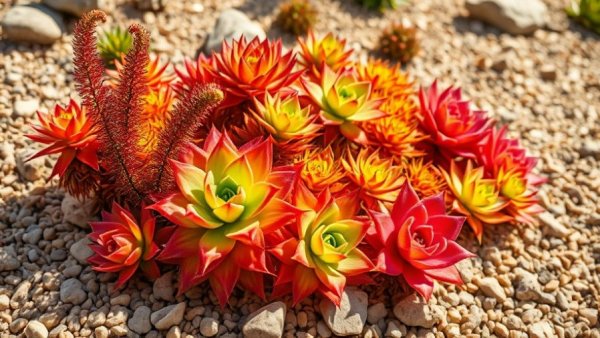
If you're seeking architectural character in your garden, consider agave plants. Known for their bold, sculptural leaves and ability to withstand extreme sun, they can serve as a striking focal point in any xeriscape setup. By planting agave in well-draining soil and surrounding it with gravel to prevent root rot, you can ensure these hardy plants flourish while anchoring your desert-inspired landscape.

Adding Drama with Red Hot Poker

For height and dramatic flair, the Red Hot Poker plant stands out beautifully with its tall, fiery orange and yellow flower spikes. These perennial favorites do not just survive the heat but thrive in it, attracting pollinators throughout the summer. They’re perfect for infusing your garden borders with color without demanding excessive care once established.

Fragrant Lavender: A Gardener's Favorite

Lavender is not just a beauty but also an olfactory delight, creating a fragrant backdrop in any drought-resistant garden. This perennial thrives in poor, dry soil and loves the sun, making it an ideal choice. Its silvery foliage provides lovely contrast with other plants, and with minimal water needs and regular pruning after flowering, it can maintain its shape while drawing in helpful pollinators.

Lantana: Low-Maintenance Color

Many gardeners seek out lantana for its resilience and colorful blooms. A stalwart in the summer heat, lantana flourishes when other plants might flounder. With its ability to thrive in poor soil and provide a lush burst of color, it’s a go-to for those desiring vibrant hues in their gardens. Utilize lantana in borders or containers; it elevates any space while requiring little attention, making it a favorite among busy homeowners.

Coneflower: A Touch of Wildflower Charm

Sought for its toughness and beauty, the coneflower, or Echinacea, is an excellent addition to drought-resistant gardens. It flourishes in well-drained soil, naturally attracting pollinators while providing stunning blooms throughout the summer. When allowed to spread, coneflowers offer a wildflower aesthetic, making them perfect for a relaxed garden composition.

Airy Texture with Russian Sage

If your garden is in a hot and windy area, Russian sage may be precisely what you need. Its airy silver stems and lavender-blue flowers add a distinct soft texture to the landscape. As it requires very little maintenance once established, Russian sage is ideal for gardeners looking to simplify their upkeep in challenging weather.

Ground Cover Solutions with Sedum

Incorporating sedum into your landscape offers not just low maintenance but spectacular form. These succulent ground covers perform well in shallow, dry soils, making them perfect for rock gardens or dry borders. Their striking structure adds depth to any design and also supports a variety of wildlife, providing a thriving habitat in your drought-tolerant garden.

Future Trends in Drought-Resistant Gardening

As climate change continues to impact weather patterns, the trend towards water-efficient gardening is growing rapidly. Homeowners are increasingly turning to native and heat-tolerant plants as an intentional choice to minimize water usage while enhancing the beauty of their landscapes. This change not only conserves vital resources but also promotes local ecosystems. As more individuals commit to sustainable landscapes, communities are gradually fostering environments that value biodiversity, resilience, and beauty.

Decisions for the Smart Gardener

Choosing heat-loving plants for your garden is a step toward making informed decisions about water conservation and landscaping. Beyond aesthetic appeal, these plants play an essential role in adapting to climate realities. By selecting plants suited to your local conditions, you minimize both maintenance and water usage while maximizing elegance in your outdoor spaces.

In wrapping up, gardening in hot, dry conditions doesn't have to be a battle—it can be a glorious adventure filled with vibrant colors and textures. By opting for heat-loving, drought-resistant plants, you can create a beautiful garden that flourishes despite the harsh summer sun. Whether you’re planting bougainvillea or sedum, each choice enriches your outdoor space while sustaining the environment.

Ready to transform your outdoor experience? Explore your options and get started on creating a drought-resilient garden that suits your space and style!
Outdoor Living

9 Views

0 Comments

Write A Comment

*
*
Please complete the captcha to submit your comment.
Related Posts All Posts
11.26.2026

Transform Your Space with the Best Companion Plants for Snake Plants

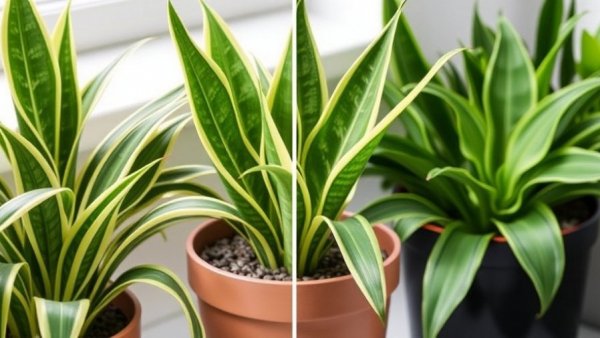
Update Enhancing Indoor Gardens: The Power of Companion Planting Houseplants add vibrancy and life to our interiors, and the snake plant, with its striking upright leaves, is a favorite among gardening enthusiasts. To elevate the aesthetic and health of your indoor plants, incorporating well-chosen companions can make a remarkable difference. Let’s explore ten exceptional plants that pair wonderfully with the snake plant, ensuring a flourishing indoor garden. 1. ZZ Plant: The Ideal Low-Maintenance Partner The ZZ plant, known for its glossy and rounded leaves, complements the snake plant’s linear form. Both of these plants thrive in lower light conditions and require minimal watering, making them perfect companions for those with busy lifestyles. When strategically placed together in a stylish pot arrangement, they not only look appealing but create a low-maintenance indoor jungle. 2. Golden Pothos: A Cascading Beauty Imagine the lush vibes as golden pothos cascades elegantly from above. Its heart-shaped leaves bring a softness that pairs beautifully with the structured silhouette of the snake plant. When positioned on a floating shelf or in a hanging planter, these trailing vines not only enhance visual interest but are also beneficial for indoor air quality. 3. Monstera: Creating a Tropical Ambiance With its large split leaves, the monstera makes an excellent statement alongside a snake plant. This combination can transform any corner of your living space into a greenery-filled retreat, conjuring images of tropical landscapes. Both plants thrive in bright indirect sunlight, but their water needs differ slightly, which can be managed easily with proper planning. 4. Aloe Vera: The Succulent Duo Pairing aloe vera with a snake plant is not only visually appealing but also practical. Both species are succulents, storing water in their leaves and preferring dry conditions. This makes them a savvy choice for those who seek an easy-care succulent display. When potted together, they lend a unique texture and appeal to any indoor arrangement. 5. Rubber Plant: Bold and Beautiful The impressive burgundy leaves of a rubber plant add a dramatic contrast to the green hues of a variegated snake plant. This combination works particularly well in modern décor, bringing depth to indoor plantscapes. Ensure both are placed in bright, indirect light for optimal growth, and keep watering routines distinct based on their different moisture needs. 6. Spider Plant: Adding Softness to the Space The arching, striped leaves of the spider plant provide a delightful softener to the bold lines of the snake plant. This companion not only offers a charming aesthetic but is also known to purify indoor air. By arranging them at different heights and locations, you can create an engaging layered look that enhances the overall indoor garden environment. 7. Jade Plant: A Drought-Resistant Friendship For a drought-tolerant indoor garden, consider pairing the snake plant with a jade plant. Both thrive under similar conditions and offer unique visual appeal. Their fleshy leaves and minimal care needs make them ideal companions for anyone looking to cultivate a resilient indoor environment. 8. Chinese Evergreen: A Colorful Addition The Chinese evergreen brings vibrant colors to your indoor garden, creating a captivating contrast with the predominantly green snake plant. This hardy plant thrives even in low light, ensuring your combination still looks striking even in less-than-ideal conditions. 9. Heartleaf Philodendron: Cozy Up Your Plant Corner This trailing plant is perfect for creating cozy nooks in your home. The heart-shaped leaves of the heartleaf philodendron pair beautifully with the structure of the snake plant, making a warm and inviting indoor space while also improving air quality. 10. Zebra Haworthia: A Miniature Succulent Garden The zebra haworthia, with its striking white-tipped leaves, provides a unique texture that complements the snake plant’s foliage. This compact succulent thrives on similar care routines, allowing the plants to flourish together while creating a delightful mini succulent display. Tips for Creating a Thriving Indoor Garden When selecting companion plants for your snake plant, consider factors such as light requirements, watering frequency, and overall aesthetics. By following these simple guidelines, you can transform your indoor spaces into lush, vibrant gardens without overwhelming your usual care routines. Remember to alternate pots according to moisture needs and take care to avoid competing plant roots. Conclusion: Creating Your Lush Indoor Oasis With these ten companion plants, your snake plant can thrive and contribute to a stunning indoor garden. Not only do these choices offer visual diversity, but they also promote plant health and ease of care. Don’t hesitate to incorporate these companions into your home, transforming your space into a leafy oasis. For more creative gardening tips and insights into houseplant care, .

11.26.2026

Discover the Luxury of Gravel Patios: Affordable Ideas for Homeowners

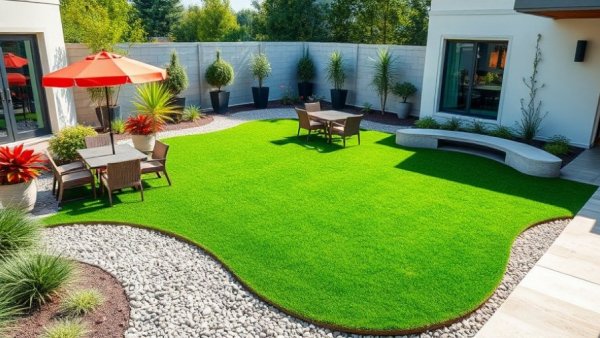
Update Transforming Your Backyard: The Unmatched Appeal of Gravel Patios If you're a homeowner dreaming of a stunning outdoor space without the heavy financial burden of traditional materials, you're not alone. The video LUXURY GRAVEL PATIO IDEAS | TURN CHEAP GRAVEL INTO A BACKYARD OASIS THAT MAKES NEIGHBORS JEALOUS! highlights an elegant yet cost-effective solution—gravel patios. This article delves deeper into the allure of gravel patios and explores how they can enhance your outdoor living experience.In LUXURY GRAVEL PATIO IDEAS, the discussion dives into stunning design options to create affordable outdoor spaces, inspiring deeper analysis on how gravel patios are reshaping backyard aesthetics. Understanding Gravel Patios: A Blend of Beauty and Functionality A gravel patio is an outdoor area covered with crushed stone, pea gravel, or decomposed granite, typically bordered with materials like stone pavers to keep everything aesthetically pleasing and orderly. One of the primary reasons homeowners are gravitating toward gravel patios is their affordability. Unlike impenetrable concrete, gravel is an economical option, allowing you to create a luxurious space without the exorbitant costs. The Practical Benefits of Gravel Patios Gravel patios aren't just about looks; they also offer practical advantages. As a permeable surface, gravel allows rainwater to drain through, preventing the pool of water that often occurs with solid surfaces. This drainage capability not only helps avoid muddy patches but also supports healthier soil moisture levels, a great benefit for surrounding plants. Versatility in Design: From Rustic to Modern The true beauty of gravel patios lies in their versatility. They seamlessly integrate into various design aesthetics, whether you’re aiming for a cozy rustic feel or a sleek modern vibe. By choosing the right type of gravel and edging, you can create a space that reflects your personal style while being functional. Enhancing Outdoor Spaces: The 12 Gravel Patio Ideas The original video presented inspiring ideas for gravel patios. Here are five standout concepts that can elevate any outdoor area: Rustic Traditional Look: Use warm colors and textures that complement natural elements in your yard, creating a welcoming environment. Sleek Modern Design: Opt for clean lines and contemporary edges to achieve a polished look, perfect for modern homes. Integrating Coastal Elements: Pair gravel with coastal plants and light-colored timber for a laid-back beach vibe. Functional Water Conservation: Implement gravel in areas prone to heavy rain to manage drainage effectively. Expanding Visual Space: Use gravel in small yards to create a sense of openness and connectivity between various garden features. Gravel vs. Grass: A Smart Choice for Modern Homeowners Replacing traditional grass lawns with gravel patios has proven to be an effective strategy for many homeowners. Not only does it reduce maintenance, but it also contributes to water conservation by preventing overwatering and aiding soil health. The reduced upkeep means more quality time spent enjoying your outdoor space, which is what a backyard retreat should be all about. Practical Guidelines for Gravel Patio Installation Creating a gravel patio involves some preparation. Here are a few tips to get started: Select the Right Gravel: Choose gravel that suits your aesthetic and is appropriate for your intended usage. Consider sizes and shapes that work well with your outdoor furniture. Prepare the Area: Mark out your desired layout, ensuring you understand the local drainage patterns for optimal water flow. Implement Edging: Use durable materials for edging to maintain the gravel's place while adding to the overall design. Ongoing Maintenance: Regularly check for weeds and debris to maintain the neater appearance of your gravel patio. Conclusion: Embrace the Luxury of Gravel Patios In conclusion, integrating a gravel patio into your backyard can transform it into a luxurious yet practical outdoor oasis. The charm, versatility, and affordability of gravel make it a wise choice for savvy homeowners looking to enhance their outdoor living spaces without breaking the bank. Gravel patios not only provide a beautiful setting for gatherings and relaxation but also offer sustainable benefits for the environment. If you're inspired to embark on your gravel patio project, consider the ideas shared in this article and explore how a simple material can redefine your outdoor experience. By combining design principles with practical knowledge, you can achieve a backyard that stands out and becomes the envy of your neighbors. Take action today and start planning your gravel patio project for a stunning outdoor retreat!

11.25.2026

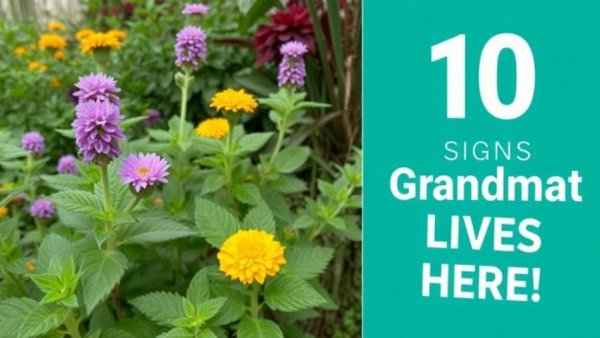
Discover the Allure of Grandma-Style Gardens and Signs Your Garden Embraces It

Update A Nostalgic Return: The Allure of Grandma-Style Gardens Every garden has a personality—a story to tell through its plants and ornaments. There's a particular charm in the way grandma-style gardens mix vibrant blooms, rustic decorations, and a cozy ambiance. For homeowners looking for lush landscapes, embracing these vintage touches creates warmth and life. So, what exactly are the hallmarks of a garden that screams “Grandma lives here”? Let’s explore ten delightful indicators of this charming aesthetic. 1. Vintage Teacups and Teapots as Flourishing Flower Planters One quirky feature of enchanting gardens is the use of vintage teacups and teapots as flower planters. Why store those beautiful pieces in a cabinet when they can add a splash of character to your garden? These charming vessels can be found at thrift shops and flea markets, often with unique floral patterns or even slight imperfections that add to their character. By drilling drainage holes and filling them with suitable soil, you create an unexpected yet delightful garden display. Pairing these planters with vibrant annuals like petunias or daisies can provide continual color throughout the seasons. 2. A Cottage Garden Overflowing with Color A defining feature of grandma's garden is the bobbing heads of roses and hollyhocks amidst a riot of nature's other colors. Achieving a cottage garden vibe doesn't necessitate a rigid plan. Mix various species with different heights to foster a wild and whimsical elegance. Consider self-seeding flowers, like daisies or cosmos, which further contribute to a relaxed and naturally beautiful look, ensuring the garden thrives in all its glory. A cottage garden is also a canvas for creativity; think about placing taller plants towards the back and layering smaller varieties in front for a dramatic effect that paints the borders with life. 3. Upcycled Vintage Bicycles Bring Whimsy An old bicycle transformed into a flower display acts as both nostalgia and eco-friendly ingenuity. Vintage bicycles can be easily painted in pastel colors, adorned with flourishing blooms, such as trailing petunias. This straightforward strategy reflects an understanding of the power of reusing and recycling, adding both vibrancy and uniqueness to your outdoor space. Position the bicycle in a visible area of the garden or along a walkway, inviting curious glances and encouraging guests to lean in closer for a better look. 4. Fairytale-Like Winding Garden Paths Garden paths that twist and turn invite exploration and imagination. Rather than sharp, geometric lines, consider using reclaimed materials—like bricks or irregular stones—to create a more inviting journey. Accentuate these paths with creeping thyme or other hardy ground covers, merging beauty with functionality while enhancing the sense of adventure. These winding paths can lead to hidden corners, such as a cozy nook with a bench or a small waterfall, further enhancing that fairytale quality. 5. Cozy Benches Nestled Beneath Climbing Roses A garden is not just a place to showcase plants; it's a refuge. Establishing a comfortable bench can become a favored spot for tea and reflection amidst the soft scent of roses. Structuring the garden around this focal point encourages relaxation, and the arching vines of climbing roses create a captivating and immersive experience. Consider adding cushions or small throws to the bench, making it an inviting space for reading, meditation, or simply enjoying the tranquility of your garden. 6. The Allure of Quirky Garden Decor No grandma garden is complete without its whimsical ornaments—be it gnomes or vintage bird baths. These elements contribute a sense of playfulness and nostalgia. By juxtaposing mismatched decor, you can create an engaging narrative throughout your garden that feels distinctly personalized. Adorning your space with quirky figures or rustic structures invites you and your guests to engage with your garden on a more profound level. A playful wind chime or a collection of rustic garden stakes can draw the eye and stir conversation amongst visitors. 7. Embracing Natural Wildlife Inviting wildlife to your garden is another essential aspect of the grandma-garden aesthetic. Vintage bird baths, feeders, and houses can attract colorful songbirds and butterflies, creating a lively habitat. Not only do these elements enhance the visual beauty of your garden, but they also contribute to local ecosystems. Planting native flowers that attract pollinators ensures that your garden is a thriving hub of nature, benefiting both the environment and your garden's vibrancy. 8. A Traditional Vegetable Patch Bursting with Homegrown Goodness A thriving vegetable patch can be a beautiful and practical addition to a grandma-style garden. Incorporating raised garden beds filled with colorful veggies and herbs not only provides fresh produce but also enhances the overall look of your space. Consider planting kale, tomatoes, and fragrant basil to not only enjoy but also share with friends and family. This not only evokes feelings of nostalgia but also promotes sustainability within your community. 9. Mismatched Terracotta Pots as Garden Touches Mismatched terracotta pots have a quaint charm, often filled to the brim with vibrant annuals and perennials. This look is effortlessly appealing and commands attention. When filling pots, avoid the urge to create perfect symmetry; instead, choose plants of varying heights and colors. This layered approach displays spontaneity and liveliness, emphasizing the natural beauty to be found in imperfection. 10. The Emotional Connection of a Grandma's Garden Gardens are imbued with memories and emotions, serving as lifelines to the past. They can remind us of family gatherings or distant summers spent outdoors. As we cultivate our gardens, we inadvertently plant fragments of our histories into the soil, creating spaces that reflect our identities and values. When you design your garden, think about the stories you want it to tell—each flower, each decoration is a chapter in your narrative. Practical Insights on Embracing the Grandma-Style Aesthetic To maximize your grandma-style garden's charm, here are a few actionable tips: Explore local thrift stores for unique finds, mix plant types creatively, and allow for natural growth patterns. Choose plants that you love and that thrive in your local environment. The goal is to create a vibrant garden that invites wildlife and enhances the beauty of your home without the constraints of conformity. Conclusion: Embrace the Charm of a Grandma-Style Garden When designing your garden, let love and character guide your choices. A grandparent-inspired garden not only brings beauty but also an emotional anchor to your home. Consider these elements as starting points on your lush gardening journey, and enjoy transforming your outdoor space into a delightful sanctuary. Whether it's through whimsical decorations or flourishing plants, your grandma-style garden can become a cherished space that resonates with you and your loved ones for years to come.

cropper
update
HOME SERVICE HUB
cropper
update

Homeowners seeking trusted advice and resources for maintaining and improving their properties

  • update
  • update
  • update
  • update
  • update
  • update
  • update

COMPANY

  • Privacy Policy
  • Terms of Use
  • Advertise
  • Contact Us
  • Menu 5
  • Menu 6

(949) 375-3833

AVAILABLE FROM 8AM - 5PM

Huntington Beach, CA

18685 Main Street 101-228
Huntington Beach, CA 92649

ABOUT US

Home Service Hub is a subsidiary of High Octane Digital Group.

© 2026 Home Service Hub All Rights Reserved. 18685 Main Street 101-228, Huntington Beach, California 92649 . Contact Us . Terms of Service . Privacy Policy

eyJjb21wYW55IjoiSG9tZSBTZXJ2aWNlIEh1YiIsImFkZHJlc3MiOiIxODY4NSBNYWluIFN0cmVldCAxMDEtMjI4IiwiY2l0eSI6Ikh1bnRpbmd0b24gQmVhY2giLCJzdGF0ZSI6IkNhbGlmb3JuaWEiLCJ6aXAiOiI5MjY0OSIsImVtYWlsIjoicmlja0BoaWdob2N0YW5lbG9jYWwuY29tIiwidG9zIjoiUEhBK1BITjBjbTl1Wno0OFpXMCtWMmhsYmlCNWIzVWdjMmxuYmkxcGJpQjNhWFJvSUhWekxDQjViM1VnWVhKbElHZHBkbWx1WnladVluTndPeUI1YjNWeUlIQmxjbTFwYzNOcGIyNGdZVzVrSUdOdmJuTmxiblFnZEc4Z2MyVnVaQ0I1YjNVZ1pXMWhhV3dnWVc1a0wyOXlJRk5OVXlCMFpYaDBJRzFsYzNOaFoyVnpMaUJDZVNCamFHVmphMmx1WnlCMGFHVWdWR1Z5YlhNZ1lXNWtJRU52Ym1ScGRHbHZibk1nWW05NElHRnVaQ0JpZVNCemFXZHVhVzVuSUdsdUlIbHZkU0JoZFhSdmJXRjBhV05oYkd4NUlHTnZibVpwY20wZ2RHaGhkQ0I1YjNVZ1lXTmpaWEIwSUdGc2JDQjBaWEp0Y3lCcGJpQjBhR2x6SUdGbmNtVmxiV1Z1ZEM0OEwyVnRQand2YzNSeWIyNW5Qand2Y0Q0S0NqeHdQanhoSUdoeVpXWTlJbWgwZEhBNkx5OTNkM2N1WjI5dloyeGxMbU52YlNJK2FIUjBjRG92TDNkM2R5NW5iMjluYkdVdVkyOXRQQzloUGp3dmNENEtDanh3UGladVluTndPend2Y0Q0S0NqeHdQanh6ZEhKdmJtYytVMFZTVmtsRFJUd3ZjM1J5YjI1blBqd3ZjRDRLQ2p4d1BsZGxJSEJ5YjNacFpHVWdZU0J6WlhKMmFXTmxJSFJvWVhRZ1kzVnljbVZ1ZEd4NUlHRnNiRzkzY3lCNWIzVWdkRzhnY21WalpXbDJaU0J5WlhGMVpYTjBjeUJtYjNJZ1ptVmxaR0poWTJzc0lHTnZiWEJoYm5rZ2FXNW1iM0p0WVhScGIyNHNJSEJ5YjIxdmRHbHZibUZzSUdsdVptOXliV0YwYVc5dUxDQmpiMjF3WVc1NUlHRnNaWEowY3l3Z1kyOTFjRzl1Y3l3Z1pHbHpZMjkxYm5SeklHRnVaQ0J2ZEdobGNpQnViM1JwWm1sallYUnBiMjV6SUhSdklIbHZkWElnWlcxaGFXd2dZV1JrY21WemN5QmhibVF2YjNJZ1kyVnNiSFZzWVhJZ2NHaHZibVVnYjNJZ1pHVjJhV05sTGlCWmIzVWdkVzVrWlhKemRHRnVaQ0JoYm1RZ1lXZHlaV1VnZEdoaGRDQjBhR1VnVTJWeWRtbGpaU0JwY3lCd2NtOTJhV1JsWkNBbWNYVnZkRHRCVXkxSlV5WnhkVzkwT3lCaGJtUWdkR2hoZENCM1pTQmhjM04xYldVZ2JtOGdjbVZ6Y0c5dWMybGlhV3hwZEhrZ1ptOXlJSFJvWlNCMGFXMWxiR2x1WlhOekxDQmtaV3hsZEdsdmJpd2diV2x6TFdSbGJHbDJaWEo1SUc5eUlHWmhhV3gxY21VZ2RHOGdjM1J2Y21VZ1lXNTVJSFZ6WlhJZ1kyOXRiWFZ1YVdOaGRHbHZibk1nYjNJZ2NHVnljMjl1WVd4cGVtRjBhVzl1SUhObGRIUnBibWR6TGp3dmNENEtDanh3UGxsdmRTQmhjbVVnY21WemNHOXVjMmxpYkdVZ1ptOXlJRzlpZEdGcGJtbHVaeUJoWTJObGMzTWdkRzhnZEdobElGTmxjblpwWTJVZ1lXNWtJSFJvWVhRZ1lXTmpaWE56SUcxaGVTQnBiblp2YkhabElIUm9hWEprSUhCaGNuUjVJR1psWlhNZ0tITjFZMmdnWVhNZ1UwMVRJSFJsZUhRZ2JXVnpjMkZuWlhNc0lFbHVkR1Z5Ym1WMElITmxjblpwWTJVZ2NISnZkbWxrWlhJZ2IzSWdZMlZzYkhWc1lYSWdZV2x5ZEdsdFpTQmphR0Z5WjJWektTNGdXVzkxSUdGeVpTQnlaWE53YjI1emFXSnNaU0JtYjNJZ2RHaHZjMlVnWm1WbGN5d2dhVzVqYkhWa2FXNW5JSFJvYjNObElHWmxaWE1nWVhOemIyTnBZWFJsWkNCM2FYUm9JSFJvWlNCa2FYTndiR0Y1SUc5eUlHUmxiR2wyWlhKNUlHOW1JR1ZoWTJnZ1UwMVRJSFJsZUhRZ2JXVnpjMkZuWlNCelpXNTBJSFJ2SUhsdmRTQmllU0IxY3k0Z1NXNGdZV1JrYVhScGIyNHNJSGx2ZFNCdGRYTjBJSEJ5YjNacFpHVWdZVzVrSUdGeVpTQnlaWE53YjI1emFXSnNaU0JtYjNJZ1lXeHNJR1Z4ZFdsd2JXVnVkQ0J1WldObGMzTmhjbmtnZEc4Z1lXTmpaWE56SUhSb1pTQlRaWEoyYVdObElHRnVaQ0J5WldObGFYWmxJSFJvWlNCVFRWTWdkR1Y0ZENCdFpYTnpZV2RsY3k0Z1YyVWdaRzhnYm05MElHTm9ZWEpuWlNCaGJua2dabVZsY3lCbWIzSWdaR1ZzYVhabGNua2diMllnWlcxaGFXd2diM0lnVTAxVExpQlVhR2x6SUdseklHRWdabkpsWlNCelpYSjJhV05sSUhCeWIzWnBaR1ZrSUdKNUlIVnpMaUJJYjNkbGRtVnlMQ0J3YkdWaGMyVWdZMmhsWTJzZ2QybDBhQ0I1YjNWeUlHbHVkR1Z5Ym1WMElITmxjblpwWTJVZ2NISnZkbWxrWlhJZ1lXNWtJR05sYkd4MWJHRnlJR05oY25KcFpYSWdabTl5SUdGdWVTQmphR0Z5WjJWeklIUm9ZWFFnYldGNUlHbHVZM1Z5SUdGeklHRWdjbVZ6ZFd4MElHWnliMjBnY21WalpXbDJhVzVuSUdWdFlXbHNJR0Z1WkNCVFRWTWdkR1Y0ZENCdFpYTnpZV2RsY3lCMGFHRjBJSGRsSUdSbGJHbDJaWElnZFhCdmJpQjViM1Z5SUc5d2RDMXBiaUJoYm1RZ2NtVm5hWE4wY21GMGFXOXVJSGRwZEdnZ2IzVnlJR1Z0WVdsc0lHRnVaQ0JUVFZNZ2MyVnlkbWxqWlhNdUlGbHZkU0JqWVc0Z1kyRnVZMlZzSUdGMElHRnVlU0IwYVcxbExpQktkWE4wSUhSbGVIUWdKbkYxYjNRN1UxUlBVQ1p4ZFc5ME95QjBieVp1WW5Od096eG9hV2RvYkdsbmFIUWdZMnhoYzNNOUltTnZiWEJoYm5sVFRWTlFhRzl1WlZWd1pHRjBaU0krYm5Wc2JEd3ZhR2xuYUd4cFoyaDBQaTRnUVdaMFpYSWdlVzkxSUhObGJtUWdkR2hsSUZOTlV5QnRaWE56WVdkbElDWnhkVzkwTzFOVVQxQW1jWFZ2ZERzZ2RHOGdkWE1zSUhkbElIZHBiR3dnYzJWdVpDQjViM1VnWVc0Z1UwMVRJRzFsYzNOaFoyVWdkRzhnWTI5dVptbHliU0IwYUdGMElIbHZkU0JvWVhabElHSmxaVzRnZFc1emRXSnpZM0pwWW1Wa0xpQkJablJsY2lCMGFHbHpMQ0I1YjNVZ2QybHNiQ0J1YnlCc2IyNW5aWElnY21WalpXbDJaU0JUVFZNZ2JXVnpjMkZuWlhNZ1puSnZiU0IxY3k0OEwzQStDZ284Y0Q0OGMzUnliMjVuUGxsUFZWSWdVa1ZIU1ZOVVVrRlVTVTlPSUU5Q1RFbEhRVlJKVDA1VFBDOXpkSEp2Ym1jK1BDOXdQZ29LUEhBK1NXNGdZMjl1YzJsa1pYSmhkR2x2YmlCdlppQjViM1Z5SUhWelpTQnZaaUIwYUdVZ1UyVnlkbWxqWlN3Z2VXOTFJR0ZuY21WbElIUnZPand2Y0Q0S0NqeHZiRDRLQ1R4c2FUNXdjbTkyYVdSbElIUnlkV1VzSUdGalkzVnlZWFJsTENCamRYSnlaVzUwSUdGdVpDQmpiMjF3YkdWMFpTQnBibVp2Y20xaGRHbHZiaUJoWW05MWRDQjViM1Z5YzJWc1ppQmhjeUJ3Y205dGNIUmxaQ0JpZVNCMGFHVWdVMlZ5ZG1salpTWWpNems3Y3lCeVpXZHBjM1J5WVhScGIyNGdabTl5YlNBb2MzVmphQ0JwYm1admNtMWhkR2x2YmlCaVpXbHVaeUIwYUdVZ0puRjFiM1E3VW1WbmFYTjBjbUYwYVc5dUlFUmhkR0VtY1hWdmREc3BJR0Z1WkR3dmJHaytDZ2s4YkdrK2JXRnBiblJoYVc0Z1lXNWtJSEJ5YjIxd2RHeDVJSFZ3WkdGMFpTQjBhR1VnVW1WbmFYTjBjbUYwYVc5dUlFUmhkR0VnZEc4Z2EyVmxjQ0JwZENCMGNuVmxMQ0JoWTJOMWNtRjBaU3dnWTNWeWNtVnVkQ0JoYm1RZ1kyOXRjR3hsZEdVdUlFbG1JSGx2ZFNCd2NtOTJhV1JsSUdGdWVTQnBibVp2Y20xaGRHbHZiaUIwYUdGMElHbHpJSFZ1ZEhKMVpTd2dhVzVoWTJOMWNtRjBaU3dnYm05MElHTjFjbkpsYm5RZ2IzSWdhVzVqYjIxd2JHVjBaU3dnYjNJZ2QyVWdhR0YyWlNCeVpXRnpiMjVoWW14bElHZHliM1Z1WkhNZ2RHOGdjM1Z6Y0dWamRDQjBhR0YwSUhOMVkyZ2dhVzVtYjNKdFlYUnBiMjRnYVhNZ2RXNTBjblZsTENCcGJtRmpZM1Z5WVhSbExDQnViM1FnWTNWeWNtVnVkQ0J2Y2lCcGJtTnZiWEJzWlhSbExDQjNaU0JvWVhabElIUm9aU0J5YVdkb2RDQjBieUJ6ZFhOd1pXNWtJRzl5SUR4emRISnZibWMrUEhOd1lXNGdjM1I1YkdVOUltTnZiRzl5T2lOR1JqQXdNREE3SWo1MFpYSnRhVzVoZEdVZ2VXOTFjaUJoWTJOdmRXNTBMM0J5YjJacGJHVWdZVzVrSUhKbFpuVnpaU0JoYm5rZ1lXNWtJR0ZzYkNCamRYSnlaVzUwSUc5eUlHWjFkSFZ5WlNCMWMyVWdiMllnZEdobElGTmxjblpwWTJVZ0tHOXlJR0Z1ZVNCd2IzSjBhVzl1SUhSb1pYSmxiMllwTGp3dmMzQmhiajQ4TDNOMGNtOXVaejQ4TDJ4cFBnbzhMMjlzUGdvS1BIQStKbTVpYzNBN1BDOXdQZ284YUdsbmFHeHBaMmgwSUdOc1lYTnpQU0pqYjIxd1lXNTVUbUZ0WlZWd1pHRjBaU0krU0c5dFpTQlRaWEoyYVdObElFaDFZand2YUdsbmFHeHBaMmgwUGp4aWNpQXZQZ284YUdsbmFHeHBaMmgwSUdOc1lYTnpQU0pqYjIxd1lXNTVRV1JrY21WemMxVndaR0YwWlNJK01UZzJPRFVnVFdGcGJpQlRkSEpsWlhRZ01UQXhMVEl5T0N3Z1NIVnVkR2x1WjNSdmJpQkNaV0ZqYUN3Z1EyRnNhV1p2Y201cFlTQTVNalkwT1R3dmFHbG5hR3hwWjJoMFBqeGljaUF2UGdvOGFHbG5hR3hwWjJoMElHTnNZWE56UFNKamIyMXdZVzU1VUdodmJtVlZjR1JoZEdVaVBpc3hPVFE1TXpjMU16Z3pNend2YUdsbmFHeHBaMmgwUGp4aWNpQXZQZ284YUdsbmFHeHBaMmgwSUdOc1lYTnpQU0pqYjIxd1lXNTVSVzFoYVd4VmNHUmhkR1VpUG5KcFkydEFhR2xuYUc5amRHRnVaV3h2WTJGc0xtTnZiVHd2YUdsbmFHeHBaMmgwUGc9PSIsInByaXZhY3kiOiJQSEErUEhOMGNtOXVaejVRVWtsV1FVTlpQQzl6ZEhKdmJtYytQQzl3UGdvS1BIQStQSE4wY205dVp6NVVhR1VnYVc1bWIzSnRZWFJwYjI0Z2NISnZkbWxrWldRZ1pIVnlhVzVuSUhSb2FYTWdjbVZuYVhOMGNtRjBhVzl1SUdseklHdGxjSFFnY0hKcGRtRjBaU0JoYm1RZ1kyOXVabWxrWlc1MGFXRnNMQ0JoYm1RZ2QybHNiQ0J1WlhabGNpQmlaU0JrYVhOMGNtbGlkWFJsWkN3Z1kyOXdhV1ZrTENCemIyeGtMQ0IwY21Ga1pXUWdiM0lnY0c5emRHVmtJR2x1SUdGdWVTQjNZWGtzSUhOb1lYQmxJRzl5SUdadmNtMHVJRlJvYVhNZ2FYTWdiM1Z5SUdkMVlYSmhiblJsWlM0OEwzTjBjbTl1Wno0OEwzQStDZ284Y0Q0OGMzUnliMjVuUGtsT1JFVk5Ua2xVV1R3dmMzUnliMjVuUGp3dmNENEtDanh3UGp4bGJUNVpiM1VnWVdkeVpXVWdkRzhnYVc1a1pXMXVhV1o1SUdGdVpDQm9iMnhrSUhWekxDQmhibVFnYVhSeklITjFZbk5wWkdsaGNtbGxjeXdnWVdabWFXeHBZWFJsY3l3Z2IyWm1hV05sY25Nc0lHRm5aVzUwY3l3Z1kyOHRZbkpoYm1SbGNuTWdiM0lnYjNSb1pYSWdjR0Z5ZEc1bGNuTXNJR0Z1WkNCbGJYQnNiM2xsWlhNc0lHaGhjbTFzWlhOeklHWnliMjBnWVc1NUlHTnNZV2x0SUc5eUlHUmxiV0Z1WkN3Z2FXNWpiSFZrYVc1bklISmxZWE52Ym1GaWJHVWdZWFIwYjNKdVpYbHpKaU16T1RzZ1ptVmxjeXdnYldGa1pTQmllU0JoYm5rZ2RHaHBjbVFnY0dGeWRIa2daSFZsSUhSdklHOXlJR0Z5YVhOcGJtY2diM1YwSUc5bUlFTnZiblJsYm5RZ2VXOTFJSEpsWTJWcGRtVXNJSE4xWW0xcGRDd2djbVZ3Ykhrc0lIQnZjM1FzSUhSeVlXNXpiV2wwSUc5eUlHMWhhMlVnWVhaaGFXeGhZbXhsSUhSb2NtOTFaMmdnZEdobElGTmxjblpwWTJVc0lIbHZkWElnZFhObElHOW1JSFJvWlNCVFpYSjJhV05sTENCNWIzVnlJR052Ym01bFkzUnBiMjRnZEc4Z2RHaGxJRk5sY25acFkyVXNJSGx2ZFhJZ2RtbHZiR0YwYVc5dUlHOW1JSFJvWlNCVVQxTXNJRzl5SUhsdmRYSWdkbWx2YkdGMGFXOXVJRzltSUdGdWVTQnlhV2RvZEhNZ2IyWWdZVzV2ZEdobGNpNDhMMlZ0UGp3dmNENEtDanh3UGp4emRISnZibWMrUkVsVFEweEJTVTFGVWlCUFJpQlhRVkpTUVU1VVNVVlRQQzl6ZEhKdmJtYytQQzl3UGdvS1BIQStQSE4wY205dVp6NVpUMVVnUlZoUVVrVlRVMHhaSUZWT1JFVlNVMVJCVGtRZ1FVNUVJRUZIVWtWRklGUklRVlE2UEM5emRISnZibWMrUEM5d1Bnb0tQRzlzUGdvSlBHeHBQbGxQVlZJZ1ZWTkZJRTlHSUZSSVJTQlRSVkpXU1VORklFbFRJRUZVSUZsUFZWSWdVMDlNUlNCU1NWTkxMaUJVU0VVZ1UwVlNWa2xEUlNCSlV5QlFVazlXU1VSRlJDQlBUaUJCVGlBbWNYVnZkRHRCVXlCSlV5WnhkVzkwT3lCQlRrUWdKbkYxYjNRN1FWTWdRVlpCU1V4QlFreEZKbkYxYjNRN0lFSkJVMGxUTGlBc0xpQkJUa1FnVlZNc0lFbFVKaU16T1R0VElFTlZVMVJQVFVWU1V5d2dSVmhRVWtWVFUweFpJRVJKVTBOTVFVbE5VeUJCVEV3Z1YwRlNVa0ZPVkVsRlV5QlBSaUJCVGxrZ1MwbE9SQ3dnVjBoRlZFaEZVaUJGV0ZCU1JWTlRJRTlTSUVsTlVFeEpSVVFzSUVsT1EweFZSRWxPUnl3Z1FsVlVJRTVQVkNCTVNVMUpWRVZFSUZSUElGUklSU0JKVFZCTVNVVkVJRmRCVWxKQlRsUkpSVk1nVDBZZ1RVVlNRMGhCVGxSQlFrbE1TVlJaTENCR1NWUk9SVk5USUVaUFVpQkJJRkJCVWxSSlExVk1RVklnVUZWU1VFOVRSU0JCVGtRZ1RrOU9MVWxPUmxKSlRrZEZUVVZPVkM0OEwyeHBQZ29KUEd4cFBrMUJTMFZUSUU1UElGZEJVbEpCVGxSWklGUklRVlFnS0drcElGUklSU0JUUlZKV1NVTkZJRmRKVEV3Z1RVVkZWQ0JaVDFWU0lGSkZVVlZKVWtWTlJVNVVVeXdnS0dscEtTQlVTRVVnVTBWU1ZrbERSU0JYU1V4TUlFSkZJRlZPU1U1VVJWSlNWVkJVUlVRc0lGUkpUVVZNV1N3Z1UwVkRWVkpGTENCUFVpQkZVbEpQVWkxR1VrVkZMQ0FvYVdscEtTQlVTRVVnVWtWVFZVeFVVeUJVU0VGVUlFMUJXU0JDUlNCUFFsUkJTVTVGUkNCR1VrOU5JRlJJUlNCVlUwVWdUMFlnVkVoRklGTkZVbFpKUTBVZ1YwbE1UQ0JDUlNCQlEwTlZVa0ZVUlNCUFVpQlNSVXhKUVVKTVJTd2dRVTVFSUNocGRpa2dRVTVaSUVWU1VrOVNVeUJKVGlCVVNFVWdVMDlHVkZkQlVrVWdWMGxNVENCQ1JTQkRUMUpTUlVOVVJVUXVQQzlzYVQ0S0NUeHNhVDVCVGxrZ1RVRlVSVkpKUVV3Z1JFOVhUa3hQUVVSRlJDQlBVaUJQVkVoRlVsZEpVMFVnVDBKVVFVbE9SVVFnVkVoU1QxVkhTQ0JVU0VVZ1ZWTkZJRTlHSUZSSVJTQlRSVkpXU1VORklFbFRJRVJQVGtVZ1FWUWdXVTlWVWlCUFYwNGdSRWxUUTFKRlZFbFBUaUJCVGtRZ1VrbFRTeUJCVGtRZ1ZFaEJWQ0JaVDFVZ1YwbE1UQ0JDUlNCVFQweEZURmtnVWtWVFVFOU9VMGxDVEVVZ1JrOVNJRUZPV1NCRVFVMUJSMFVnVkU4Z1dVOVZVaUJEVDAxUVZWUkZVaUJUV1ZOVVJVMGdUMUlnVEU5VFV5QlBSaUJFUVZSQklGUklRVlFnVWtWVFZVeFVVeUJHVWs5TklGUklSU0JFVDFkT1RFOUJSQ0JQUmlCQlRsa2dVMVZEU0NCTlFWUkZVa2xCVEM0OEwyeHBQZ29KUEd4cFBrNVBJRUZFVmtsRFJTQlBVaUJKVGtaUFVrMUJWRWxQVGl3Z1YwaEZWRWhGVWlCUFVrRk1JRTlTSUZkU1NWUlVSVTRzSUU5Q1ZFRkpUa1ZFSUVKWklGbFBWU0JHVWs5TklFOVNJRlJJVWs5VlIwZ2dUMUlnUmxKUFRTQlVTRVVnVTBWU1ZrbERSU0JUU0VGTVRDQkRVa1ZCVkVVZ1FVNVpJRmRCVWxKQlRsUlpJRTVQVkNCRldGQlNSVk5UVEZrZ1UxUkJWRVZFSUVsT0lGUklSU0JVVDFNdVBDOXNhVDRLUEM5dmJENEtDanh3UGp4emRISnZibWMrVEVsTlNWUkJWRWxQVGlCUFJpQk1TVUZDU1V4SlZGazhMM04wY205dVp6NDhMM0ErQ2dvOGNENVpUMVVnUlZoUVVrVlRVMHhaSUZWT1JFVlNVMVJCVGtRZ1FVNUVJRUZIVWtWRklGUklRVlFnUVU1RUlGTklRVXhNSUU1UFZDQkNSU0JNU1VGQ1RFVWdSazlTSUVGT1dTQkVTVkpGUTFRc0lFbE9SRWxTUlVOVUxDQkpUa05KUkVWT1ZFRk1MQ0JUVUVWRFNVRk1MQ0JEVDA1VFJWRlZSVTVVU1VGTUlFOVNJRVZZUlUxUVRFRlNXU0JFUVUxQlIwVlRMQ0JKVGtOTVZVUkpUa2NnUWxWVUlFNVBWQ0JNU1UxSlZFVkVJRlJQTENCRVFVMUJSMFZUSUVaUFVpQk1UMU5USUU5R0lGQlNUMFpKVkZNc0lFZFBUMFJYU1V4TUxDQlZVMFVzSUVSQlZFRWdUMUlnVDFSSVJWSWdTVTVVUVU1SFNVSk1SU0JNVDFOVFJWTWdLRVZXUlU0Z1NVWWdTRUZUSUVKRlJVNGdRVVJXU1ZORlJDQlBSaUJVU0VVZ1VFOVRVMGxDU1V4SlZGa2dUMFlnVTFWRFNDQkVRVTFCUjBWVEtTd2dVa1ZUVlV4VVNVNUhJRVpTVDAwNlBDOXdQZ29LUEc5c1Bnb0pQR3hwUGxSSVJTQlZVMFVnVDFJZ1ZFaEZJRWxPUVVKSlRFbFVXU0JVVHlCVlUwVWdWRWhGSUZORlVsWkpRMFU3UEM5c2FUNEtDVHhzYVQ1VVNFVWdRMDlUVkNCUFJpQlFVazlEVlZKRlRVVk9WQ0JQUmlCVFZVSlRWRWxVVlZSRklFZFBUMFJUSUVGT1JDQlRSVkpXU1VORlV5QlNSVk5WVEZSSlRrY2dSbEpQVFNCQlRsa2dSMDlQUkZNc0lFUkJWRUVzSUVsT1JrOVNUVUZVU1U5T0lFOVNJRk5GVWxaSlEwVlRJRkJWVWtOSVFWTkZSQ0JQVWlCUFFsUkJTVTVGUkNCUFVpQk5SVk5UUVVkRlV5QlNSVU5GU1ZaRlJDQlBVaUJVVWtGT1UwRkRWRWxQVGxNZ1JVNVVSVkpGUkNCSlRsUlBJRlJJVWs5VlIwZ2dUMUlnUmxKUFRTQlVTRVVnVTBWU1ZrbERSVHM4TDJ4cFBnb0pQR3hwUGxWT1FWVlVTRTlTU1ZwRlJDQkJRME5GVTFNZ1ZFOGdUMUlnUVV4VVJWSkJWRWxQVGlCUFJpQlpUMVZTSUZSU1FVNVRUVWxUVTBsUFRsTWdUMUlnUkVGVVFUczhMMnhwUGdvSlBHeHBQbE5VUVZSRlRVVk9WRk1nVDFJZ1EwOU9SRlZEVkNCUFJpQkJUbGtnVkVoSlVrUWdVRUZTVkZrZ1QwNGdWRWhGSUZORlVsWkpRMFU3SUU5U1BDOXNhVDRLQ1R4c2FUNUJUbGtnVDFSSVJWSWdUVUZVVkVWU0lGSkZURUZVU1U1SElGUlBJRlJJUlNCVFJWSldTVU5GTGp3dmJHaytDand2YjJ3K0NnbzhjRDQ4ZFQ1Q2VTQnlaV2RwYzNSbGNtbHVaeUJoYm1RZ2MzVmljMk55YVdKcGJtY2dkRzhnYjNWeUlHVnRZV2xzSUdGdVpDQlRUVk1nYzJWeWRtbGpaU3dnWW5rZ2IzQjBMV2x1TENCdmJteHBibVVnY21WbmFYTjBjbUYwYVc5dUlHOXlJR0o1SUdacGJHeHBibWNnYjNWMElHRWdZMkZ5WkN3Z0puRjFiM1E3ZVc5MUlHRm5jbVZsSUhSdklIUm9aWE5sSUZSRlVrMVRJRTlHSUZORlVsWkpRMFVtY1hWdmREc2dZVzVrSUhsdmRTQmhZMnR1YjNkc1pXUm5aU0JoYm1RZ2RXNWtaWEp6ZEdGdVpDQjBhR1VnWVdKdmRtVWdkR1Z5YlhNZ2IyWWdjMlZ5ZG1salpTQnZkWFJzYVc1bFpDQmhibVFnWkdWMFlXbHNaV1FnWm05eUlIbHZkU0IwYjJSaGVTNDhMM1UrUEM5d1Bnb0tQSEErSm01aWMzQTdQQzl3UGdvOGFHbG5hR3hwWjJoMElHTnNZWE56UFNKamIyMXdZVzU1VG1GdFpWVndaR0YwWlNJK1NHOXRaU0JUWlhKMmFXTmxJRWgxWWp3dmFHbG5hR3hwWjJoMFBqeGljaUF2UGdvOGFHbG5hR3hwWjJoMElHTnNZWE56UFNKamIyMXdZVzU1UVdSa2NtVnpjMVZ3WkdGMFpTSStNVGcyT0RVZ1RXRnBiaUJUZEhKbFpYUWdNVEF4TFRJeU9Dd2dTSFZ1ZEdsdVozUnZiaUJDWldGamFDd2dRMkZzYVdadmNtNXBZU0E1TWpZME9Ud3ZhR2xuYUd4cFoyaDBQanhpY2lBdlBnbzhhR2xuYUd4cFoyaDBJR05zWVhOelBTSmpiMjF3WVc1NVVHaHZibVZWY0dSaGRHVWlQaXN4T1RRNU16YzFNemd6TXp3dmFHbG5hR3hwWjJoMFBqeGljaUF2UGdvOGFHbG5hR3hwWjJoMElHTnNZWE56UFNKamIyMXdZVzU1UlcxaGFXeFZjR1JoZEdVaVBuSnBZMnRBYUdsbmFHOWpkR0Z1Wld4dlkyRnNMbU52YlR3dmFHbG5hR3hwWjJoMFBnPT0ifQ==

Terms of Service

Privacy Policy

Core Modal Title

Sorry, no results found

You Might Find These Articles Interesting

T
Please Check Your Email
We Will Be Following Up Shortly
*
*
*