

cropper
update
HOME SERVICE HUB
cropper
update

Home Improvement, HVAC & Local Service Guides

  • Home
  • Categories
    • Smart Home Solutions
    • Gardening
    • Landscaping
    • Home Exterior
    • Outdoor Living
    • Smart Homes
    • Lawncare
    • Lighting Solutions
    • Plumbing Tips
    • HVAC
  • Featured Business Profiles
September 27.2026
3 Minutes Read

Enhance Your Yard Value with Inexpensive Stone Walkways

Inexpensive stone walkway designs with colorful garden

Why Stone Walkways Can Transform Your Yard

Homeownership often comes with the challenge of maintaining and enhancing your property’s value. One effective way to achieve this is by investing in outdoor improvements, particularly stone walkways. These additions not only beautify your landscape but can also significantly increase the curb appeal of your home. Stone walkways serve as a persistent reminder of the home’s quality and care, appealing to potential buyers who value a well-maintained outdoor environment.

In INEXPENSIVE STONE WALKWAY DESIGNS, the discussion dives into various outdoor enhancing strategies, exploring key insights that sparked deeper analysis on our end.

Inexpensive Design Ideas for Your Side Yard

When it comes to upgrading your yard without breaking the bank, stone walkways offer versatility and affordability. For instance, utilizing materials such as gravel or reclaimed stones can create unique, budget-friendly pathways. These designs help to define boundaries in your yard, create paths to desired areas, and reduce the muddy footprint often seen after rain. Consider incorporating decorative gravel, which adds texture and color, or opting for pavers that mimic natural stone for a contemporary touch.

Easy-to-Implement Tricks to Boost Your Home's Value

According to real estate experts, homeowners can see a remarkable return on investment by enhancing their outdoor spaces. A well-designed walkway can lead prospective buyers through a visually pleasing path, demonstrating careful planning and maintenance of the property. Consider syncing your walkway design with outdoor lighting to highlight your landscape's beauty at night. Solar-powered lights are an eco-friendly option; they are not only energy-efficient but also provide safety by illuminating pathways after sundown.

Comparing Stone Options: Which Material Is Right for You?

Many homeowners find themselves torn between different types of stone for their walkways. Concrete, for example, is known for its durability and ease of maintenance. Natural stone, while often pricier, offers a distinct aesthetic appeal with a variety of colors and textures to choose from, allowing for a more customized look. Assessing the local weather conditions and the intended usage of the pathway will also play a role in your material choice. Additionally, consider the installation method, as some stones may require a professional touch while others are more suited for DIY projects.

Expert Insights on Landscape Design Trends

As landscape design continues to evolve, trends indicate that more homeowners are opting for sustainable and eco-friendly materials. Utilizing permeable stones helps with drainage and reduces water runoff. Incorporating native plants along the walkway can give your home a cohesive natural look while supporting local biodiversity. This not only beautifies the space but also aids in promoting local wildlife, creating a healthier ecosystem in your backyard.

Common Misconceptions About DIY Walkway Projects

Many homeowners believe that creating a stone walkway is a daunting task reserved for professionals. However, with modern tools and techniques readily available online, DIY installations are becoming more popular. From measuring and laying the foundation to selecting the right stones, many resources can guide a novice through the process. It’s essential to approach the project with patience, thorough planning, and a willingness to learn. Seeking help from local hardware stores or online forums can provide valuable insight and tips from those who have successfully completed similar projects.

Creating Functional Outdoor Spaces

Ultimately, a stone walkway is not just a path; it serves as an essential component of your outdoor design. Whether leading to a flower garden, patio, or simply connecting various sections of your yard, a functional and aesthetically pleasing walkway can add a significant amount of livability and charm to your outdoor space. To maximize the use of your walkway, consider integrating seating areas or landscaping features like planters along the sides, which can enhance both function and beauty.

In summary, investing in stone walkways is a smart move for homeowners looking to improve their property’s value while enhancing outdoor aesthetics. These projects can be both cost-effective and rewarding, yielding benefits that extend beyond mere curb appeal. With thoughtful design and the right materials, your outdoor space can not only reflect your personal style but also stand as a testament to your commitment to property upkeep.

Outdoor Living

14 Views

0 Comments

Write A Comment

*
*
Please complete the captcha to submit your comment.
Related Posts All Posts
10.16.2026

Is It Safe to Eat Autumn Berries? Essential Insights for Homeowners

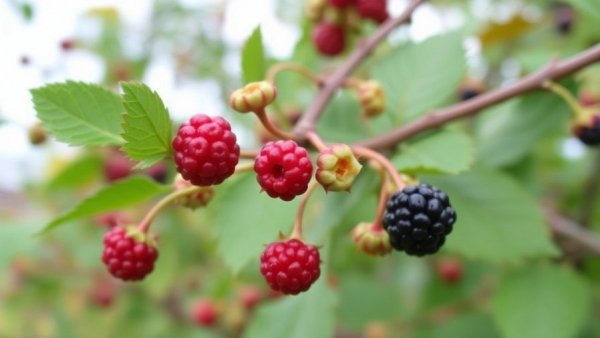
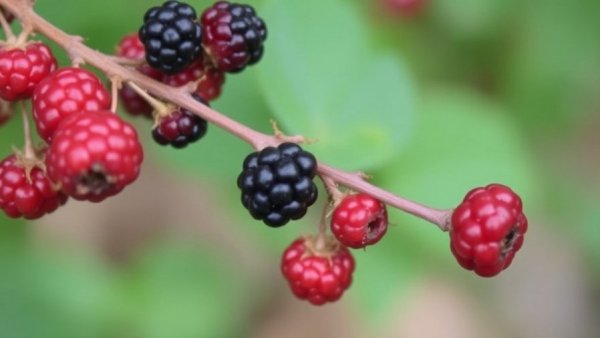
Update Understanding the Risks of Autumn Berries As autumn sets in, the transformation of British gardens and hedgerows is unveiled with an array of berries—some enticingly beautiful, while others harbor potential dangers. With these vibrant offerings comes the necessity of understanding their edibility, particularly for homeowners eager to create lush gardens that not only please the eye but are also safe for families and pets. Identifying Edible Berries: The Seasonal Staples Among the most recognizable wild fruits in Britain are blackberries, found in hedgerows throughout the country. Their sweet flavor and versatility in desserts make them a favorite during this time of year. Picking them requires discernment, however—ensure they're harvested from unpolluted areas to avoid contamination from pesticides or roadside pollution. This practice not only improves the safety of your foraged goods but also promotes sustainability by encouraging you to leave some berries for wildlife. When you’re out picking blackberries, consider the small ecosystems you may come across. These thickets often house a variety of insects and birds, so taking only what you will consume and leaving the rest can benefit the local fauna while allowing you to enjoy the fruits of your labor. Additionally, blackberries can be frozen for later use in jams, jellies, and pies, providing a delightful taste of summer during the cold winter months. Rose hips, though edible, require proper preparation before consumption to ensure they remain safe and enjoyable. These vibrant fruits, which develop after wild roses finish flowering, can be harvested for their high vitamin C content and are often used in teas or syrups. Their commonly overlooked nature presents not only a delicious culinary opportunity but also a chance to educate others about safe foraging practices. If you decide to incorporate rose hips into your diet, be sure to learn how to properly remove the hairs inside, as they can be irritating to the digestive system. Beautiful but Deadly: The Cautionary Tales Conversely, several berries found on autumn walks lure with their stunning colors yet carry health risks when consumed. Holly berries, splendid against the green backdrop of winter foliage, are toxic to humans despite being a food source for birds. Such knowledge is crucial, especially for families with children who might mistake these alluring fruits for sweets. Educating children about the importance of respecting nature and understanding which berries are poisonous can foster a lifetime of safe outdoor exploration. Yew berries are particularly dangerous due to the presence of toxins in their seeds that can be fatal to humans and pets alike. The shiny black berries of Deadly Nightshade also serve as a stark reminder: not all that glitters is good. These poisonous plants highlight the necessity of identifying species correctly before any attempt at foraging. Educational efforts around these plants can save lives, particularly in an age where foraging is increasingly popular among adventurous homeowners. According to wildlife conservation experts, many homeowners are taking great strides to educate themselves about native plants — not only to enhance their gardens but also to protect children and pets from accidental poisoning. Increasing community awareness about poisonous berries encourages families to contribute to a safer, more informed society through sharing knowledge and resources. Supporting Wildlife: Choosing What to Forage When considering the benefits of foraging, it’s not just about human consumption—it's vital to contemplate the impact on local wildlife. Leaving berries like holly and ivy can provide essential resources for birds during nutrient-scarce winter months. Emphasizing this ecological perspective can significantly enhance community gardening efforts and biodiversity. Urban gardeners have an opportunity to create a habitat that supports pollinators and birds, fostering a nurturing relationship with nature. Homeowners might consider planting native berry-producing species that not only beautify their gardens but also attract beneficial wildlife. Blueberries, for example, are favorites among both humans and birds alike, making them a perfect addition to an eco-friendly garden. Moreover, this can instill a sense of responsibility, as gardeners learn to balance their desire for a plentiful harvest with the needs of local ecosystems. The Most Important Rule: Never Eat What You Cannot Identify Before venturing out to forage, always remember: if in doubt, don't eat it. This mantra is especially relevant in today’s DIY-friendly culture, where misinformation can lead to regretful decisions. To protect yourself and your family, invest in reliable identification guides or seek the advice of local experts. Interactive workshops or community foraging outings can amplify learning opportunities and create a shared understanding of seasonal harvesting. Engaging with local gardening clubs or forums can provide valuable insights into safe foraging and responsible gardening practices. Sharing experiences and finding mentors can enhance your gardening journey and ensure safety in nature. As more people explore sustainable practices, these networks can offer support and knowledge-sharing that benefits everyone. Emerging Trends in Home Gardening and Foraging The shift towards sustainable living is encouraging more homeowners to explore the intersection of gardening, foraging, and ecological awareness. New apps and online resources are emerging to assist homeowners in safe berry identification, allowing them to cultivate their knowledge while enriching their garden landscapes responsibly. These tools offer guidance on identifying not only edible berries but also those that should be avoided. Finally, awareness around the importance of biodiversity in urban settings has spurred many homeowners to plant berry-producing species that not only beautify their gardens but also support local wildlife. This blend of aesthetics and ecology can pave the way for sustainable gardening practices—an endeavor that balances beauty with responsibility. Conclusion: The Importance of Knowledge in Nature As the array of berries gracing the landscape this autumn becomes evident, having a thorough understanding of their safety is paramount. As you cultivate your garden, take time to educate yourself and your family about foraging responsibly. Ultimately, enhancing your appreciation for nature this season is about more than just aesthetics—it's about fostering a safe, sustainable environment for everyone. Call to Action: Engage with local gardening clubs or forums to share experiences and seek expert advice on safe foraging—these connections can enhance your gardening journey, promote ecological mindfulness, and ensure safety in nature.

10.16.2026

Unlock Your Backyard's Potential with Elegant Patio Curtain Ideas

Update Enhance Your Outdoor Oasis with Patio Curtains Have you ever gazed out onto your back patio and thought it could be more inviting? From a lack of privacy to a need for aesthetic appeal, many homeowners face common challenges. The good news is that patio curtains are a creative and cost-effective solution designed to elevate your outdoor space undeniably. By thinking outside of the traditional decor box, these flowing fabrics can transform your backyard into a serene sanctuary.In ENCHANTING PATIO CURTAIN DESIGN IDEAS, the discussion dives into the transformative power of outdoor curtains, exploring key insights that sparked deeper analysis on our end. Practical Benefits of Patio Curtains Patio curtains are not just a visual upgrade; they offer substantial practical benefits. These engineered drapes provide shade during those scorching summer afternoons, softening the harsh sunlight while reducing glare that can intrude upon your outdoor enjoyment. Not only do they protect against the sun, but they also offer a quiet retreat from the gaze of nosy neighbors, enhancing your home's privacy without the need for substantial structural changes. Additionally, they add texture and movement, bringing a touch of elegance that seamlessly blurs the line between indoor comfort and outdoor freedom. Inspiring Styles to Consider If you’re searching for the perfect style to match your outdoor aesthetic, there exists a plethora of patio curtain designs tailored to fit various tastes. Here’s a look at a few standout styles: Modern Minimalist: Flat panel curtains create a sleek and contemporary look when hung without gathering. They often feature elements like exposed grommets that add to their streamlined appearance. Rustic Contemporary: Pairing sheer white drapes with rustic elements like wicker chairs offers a laid-back vibe, perfect for casual outdoor dining. Romantic and Elegant: Consider gathered tulle curtains around a gazebo to create an atmosphere straight out of a fairy tale, adding charm and volume to your outdoor setting. Moroccan Inspired: White drapes combined with colorful floor cushions and vibrant plants make for an enchanting setup that invites leisurely gatherings. Coastal Aesthetic: Sheer curtains atop a rustic pergola paired with nautical themes deliver a breezy coastal retreat, complete with decor that echoes beach vibes. Embracing Unique Features When considering patio curtains, think about unique features that can enhance your overall decor. For instance, using a swag tieback can add depth to your fabric, giving it character while also holding it in place. Additionally, explore non-traditional color palettes such as rich golds or bold patterns that can amplify your unique style. Strategically Designing Your Space To ensure that patio curtains work harmoniously in your outdoor area, think about how they interact with the surrounding furniture and landscaping. Professionals emphasize the importance of coordinating colors and styles with existing elements, such as your seating arrangements and flower beds, to create a cohesive look. Whether you prefer a modern design with clean lines or a bohemian arrangement with soft draping fabrics, the key is to create a balanced approach that invites comfort. Future Trends in Outdoor Living Spaces The outdoor living trend isn't slowing down anytime soon. Not only are homeowners investing in more versatile outdoor spaces, but the integration of nature into everyday living environments continues to rise. Experts predict a growing popularity for materials that mimic natural elements while being durable and weather-resistant, keeping patio curtains at the forefront of outdoor decor. Final Thoughts on Elevating Your Backyard Aesthetic Incorporating patio curtains not only enhances the visual appeal of your home but also promotes a more intimate and inviting outdoor atmosphere. Whether you lean towards light and airy fabrics or dramatic canopies, there exists an expansive spectrum of options to fit various designs and budgets. The modern homeowner can benefit greatly from knowing the possibilities that exist with patio curtains. If you enjoyed these ideas for transforming your outdoor area, consider subscribing to Homes Decor Designs for more innovative home and garden inspiration. Your backyard oasis awaits!

10.15.2026

Are You Prepared to Identify Safe Autumn Berries for Your Garden?

Update Understanding the Allure and Risks of Autumn Berries As autumn descends upon Britain, the landscape transforms into a vibrant display of color with glossy red berries, dark purple fruits, and bright orange clusters adorning gardens, hedgerows, and woodland edges. While the season reintroduces familiar autumn favorites like blackberries, it also poses critical questions about which berries are safe to eat and which are best avoided. Here’s an in-depth look at common berries you may encounter this season, ensuring you can enjoy nature’s bounty responsibly. 1. Blackberries — The Familiar Autumn Favourite Blackberries are perhaps the most recognizable wild fruit in Britain. As they ripen, their small drupelets shift from deep green to red and finally to an enticing black-purple. They thrive in thorny thickets typically found along hedgerows and forest edges. These fruits are not only edible but delicious, often finding their way into pies, jams, and crumbles. However, caution is advised when foraging. Ensure you avoid areas near roads or those that may have been treated with pesticides to ensure the quality of your harvest. 2. Holly Berries — Beautiful but Not for Eating Holly berries, with their striking red hue, often symbolize the festive season. Despite their festive look, these berries are toxic to humans. Consuming holly berries can lead to severe gastrointestinal distress, making them unsuitable for human consumption, particularly for curious children who might mistake them for candy. However, holly berries serve an essential role in nature, providing critical sustenance for birds during winter months. 3. Rose Hips — Edible, but Preparation Matters Once wild roses finish blooming, they leave behind rose hips, small, oval fruits that pack a nutritional punch. Dog rose (Rosa canina) is the most common variant, frequently found in hedgerows. While rose hips are edible, they need careful preparation; their seeds can be irritating if consumed raw. When properly prepared, they yield delicious syrups and jellies rich in vitamin C. 4. Yew Berries — One of the Most Dangerous Autumn Traps Beware of yew berries (Taxus baccata), often misidentified due to their appealing red color. While the fleshy outer coating is non-toxic, the seeds contained within are highly poisonous and can cause severe symptoms or even fatality if ingested. Understanding how to distinguish yewberries from safe options is crucial. 5. Elderberries — It’s All About Preparation Elderberries are a beloved staple in British households, often used for making wines and syrups. However, caution is necessary; raw elderberries can be toxic if eaten in large quantities due to the presence of cyanogenic glycosides. Cooking elderberries neutralizes their harmful properties, making them safe for consumption. 6. Deadly Nightshade — The Shiny Black Berries to Avoid Deadly nightshade (Atropa belladonna) presents one of the gravest dangers for foragers. Its shiny black berries may look enticing, but they are incredibly toxic and can lead to severe poisoning. Recognizing the plant and respecting its dangers is vital, especially for families with children and pets. 7. Hawthorn Berries — A Traditional Hedgerow Fruit Recognized for their vibrant red color, hawthorn berries (Crataegus monogyna) are both edible and nutritious. Traditionally used in jams and wines, they boast numerous health benefits. When prepared correctly, hawthorn berries can play a wonderful role in your autumn culinary exploits, proving to be not just safe to eat but also enriching to your health. 8. Ivy Berries — Valuable for Birds, Not People Your garden ivy may produce clusters of berries that are resilient through winter, but these berries pose a danger to humans. Ivy berries are toxic, leading to throat irritation, vomiting, and other symptoms. They are vital for various bird species that thrive on them during colder months. 9. Sloes — The Tiny Purple Fruits That Need Processing Sloes (Prunus spinosa), the fruits of the blackthorn bush, are tart and typically used in creating sloe gin. While they are edible, they require processing, which often involves steeping in alcohol or sugar to make them palatable. Sloes are excellent examples of how understanding preparation can enhance foraged foods. 10. Lords-and-Ladies — The Red Berry Spike You Should Never Touch or Taste Lords-and-ladies (Arum maculatum) boasts an unusual appearance with its distinctive hood and spiky red berries. However, all parts of this plant are toxic and should never be consumed. Educating yourself about its characteristics is crucial to avoid grave health risks. What Should You Do if Someone Eats an Unknown Berry? If you suspect someone has consumed a potentially toxic berry, seek medical advice immediately. It’s important not to induce vomiting unless advised by a medical professional. Keep the berry or plant sample for identification purposes, as it aids in appropriate treatment. Leave Some Autumn Berries for Wildlife As you forage, remember that many berries play an integral role in our ecosystems. Leaving fruits for wildlife, especially during colder months, supports the survival of birds and other species, creating a balanced and thriving environment. The Most Important Autumn Berry Rule When foraging this autumn, the most crucial rule is: if in doubt, don’t eat it! Identifying berries can be tricky, and while some may be delicious, others can be deadly. Familiarize yourself with reliable identification methods and consult experts when uncertain. Knowing which berries are safe to eat enhances your autumnal adventures and enriches your garden’s ecosystem. Arm yourself with information, and enjoy the beauty of autumn berries while ensuring safety and sustainability.

cropper
update
HOME SERVICE HUB
cropper
update

Homeowners seeking trusted advice and resources for maintaining and improving their properties

  • update
  • update
  • update
  • update
  • update
  • update
  • update

COMPANY

  • Privacy Policy
  • Terms of Use
  • Advertise
  • Contact Us
  • Menu 5
  • Menu 6

(949) 375-3833

AVAILABLE FROM 8AM - 5PM

Huntington Beach, CA

18685 Main Street 101-228
Huntington Beach, CA 92649

ABOUT US

Home Service Hub is a subsidiary of High Octane Digital Group.

© 2026 Home Service Hub All Rights Reserved. 18685 Main Street 101-228, Huntington Beach, California 92649 . Contact Us . Terms of Service . Privacy Policy

eyJjb21wYW55IjoiSG9tZSBTZXJ2aWNlIEh1YiIsImFkZHJlc3MiOiIxODY4NSBNYWluIFN0cmVldCAxMDEtMjI4IiwiY2l0eSI6Ikh1bnRpbmd0b24gQmVhY2giLCJzdGF0ZSI6IkNhbGlmb3JuaWEiLCJ6aXAiOiI5MjY0OSIsImVtYWlsIjoicmlja0BoaWdob2N0YW5lbG9jYWwuY29tIiwidG9zIjoiUEhBK1BITjBjbTl1Wno0OFpXMCtWMmhsYmlCNWIzVWdjMmxuYmkxcGJpQjNhWFJvSUhWekxDQjViM1VnWVhKbElHZHBkbWx1WnladVluTndPeUI1YjNWeUlIQmxjbTFwYzNOcGIyNGdZVzVrSUdOdmJuTmxiblFnZEc4Z2MyVnVaQ0I1YjNVZ1pXMWhhV3dnWVc1a0wyOXlJRk5OVXlCMFpYaDBJRzFsYzNOaFoyVnpMaUJDZVNCamFHVmphMmx1WnlCMGFHVWdWR1Z5YlhNZ1lXNWtJRU52Ym1ScGRHbHZibk1nWW05NElHRnVaQ0JpZVNCemFXZHVhVzVuSUdsdUlIbHZkU0JoZFhSdmJXRjBhV05oYkd4NUlHTnZibVpwY20wZ2RHaGhkQ0I1YjNVZ1lXTmpaWEIwSUdGc2JDQjBaWEp0Y3lCcGJpQjBhR2x6SUdGbmNtVmxiV1Z1ZEM0OEwyVnRQand2YzNSeWIyNW5Qand2Y0Q0S0NqeHdQanhoSUdoeVpXWTlJbWgwZEhBNkx5OTNkM2N1WjI5dloyeGxMbU52YlNJK2FIUjBjRG92TDNkM2R5NW5iMjluYkdVdVkyOXRQQzloUGp3dmNENEtDanh3UGladVluTndPend2Y0Q0S0NqeHdQanh6ZEhKdmJtYytVMFZTVmtsRFJUd3ZjM1J5YjI1blBqd3ZjRDRLQ2p4d1BsZGxJSEJ5YjNacFpHVWdZU0J6WlhKMmFXTmxJSFJvWVhRZ1kzVnljbVZ1ZEd4NUlHRnNiRzkzY3lCNWIzVWdkRzhnY21WalpXbDJaU0J5WlhGMVpYTjBjeUJtYjNJZ1ptVmxaR0poWTJzc0lHTnZiWEJoYm5rZ2FXNW1iM0p0WVhScGIyNHNJSEJ5YjIxdmRHbHZibUZzSUdsdVptOXliV0YwYVc5dUxDQmpiMjF3WVc1NUlHRnNaWEowY3l3Z1kyOTFjRzl1Y3l3Z1pHbHpZMjkxYm5SeklHRnVaQ0J2ZEdobGNpQnViM1JwWm1sallYUnBiMjV6SUhSdklIbHZkWElnWlcxaGFXd2dZV1JrY21WemN5QmhibVF2YjNJZ1kyVnNiSFZzWVhJZ2NHaHZibVVnYjNJZ1pHVjJhV05sTGlCWmIzVWdkVzVrWlhKemRHRnVaQ0JoYm1RZ1lXZHlaV1VnZEdoaGRDQjBhR1VnVTJWeWRtbGpaU0JwY3lCd2NtOTJhV1JsWkNBbWNYVnZkRHRCVXkxSlV5WnhkVzkwT3lCaGJtUWdkR2hoZENCM1pTQmhjM04xYldVZ2JtOGdjbVZ6Y0c5dWMybGlhV3hwZEhrZ1ptOXlJSFJvWlNCMGFXMWxiR2x1WlhOekxDQmtaV3hsZEdsdmJpd2diV2x6TFdSbGJHbDJaWEo1SUc5eUlHWmhhV3gxY21VZ2RHOGdjM1J2Y21VZ1lXNTVJSFZ6WlhJZ1kyOXRiWFZ1YVdOaGRHbHZibk1nYjNJZ2NHVnljMjl1WVd4cGVtRjBhVzl1SUhObGRIUnBibWR6TGp3dmNENEtDanh3UGxsdmRTQmhjbVVnY21WemNHOXVjMmxpYkdVZ1ptOXlJRzlpZEdGcGJtbHVaeUJoWTJObGMzTWdkRzhnZEdobElGTmxjblpwWTJVZ1lXNWtJSFJvWVhRZ1lXTmpaWE56SUcxaGVTQnBiblp2YkhabElIUm9hWEprSUhCaGNuUjVJR1psWlhNZ0tITjFZMmdnWVhNZ1UwMVRJSFJsZUhRZ2JXVnpjMkZuWlhNc0lFbHVkR1Z5Ym1WMElITmxjblpwWTJVZ2NISnZkbWxrWlhJZ2IzSWdZMlZzYkhWc1lYSWdZV2x5ZEdsdFpTQmphR0Z5WjJWektTNGdXVzkxSUdGeVpTQnlaWE53YjI1emFXSnNaU0JtYjNJZ2RHaHZjMlVnWm1WbGN5d2dhVzVqYkhWa2FXNW5JSFJvYjNObElHWmxaWE1nWVhOemIyTnBZWFJsWkNCM2FYUm9JSFJvWlNCa2FYTndiR0Y1SUc5eUlHUmxiR2wyWlhKNUlHOW1JR1ZoWTJnZ1UwMVRJSFJsZUhRZ2JXVnpjMkZuWlNCelpXNTBJSFJ2SUhsdmRTQmllU0IxY3k0Z1NXNGdZV1JrYVhScGIyNHNJSGx2ZFNCdGRYTjBJSEJ5YjNacFpHVWdZVzVrSUdGeVpTQnlaWE53YjI1emFXSnNaU0JtYjNJZ1lXeHNJR1Z4ZFdsd2JXVnVkQ0J1WldObGMzTmhjbmtnZEc4Z1lXTmpaWE56SUhSb1pTQlRaWEoyYVdObElHRnVaQ0J5WldObGFYWmxJSFJvWlNCVFRWTWdkR1Y0ZENCdFpYTnpZV2RsY3k0Z1YyVWdaRzhnYm05MElHTm9ZWEpuWlNCaGJua2dabVZsY3lCbWIzSWdaR1ZzYVhabGNua2diMllnWlcxaGFXd2diM0lnVTAxVExpQlVhR2x6SUdseklHRWdabkpsWlNCelpYSjJhV05sSUhCeWIzWnBaR1ZrSUdKNUlIVnpMaUJJYjNkbGRtVnlMQ0J3YkdWaGMyVWdZMmhsWTJzZ2QybDBhQ0I1YjNWeUlHbHVkR1Z5Ym1WMElITmxjblpwWTJVZ2NISnZkbWxrWlhJZ1lXNWtJR05sYkd4MWJHRnlJR05oY25KcFpYSWdabTl5SUdGdWVTQmphR0Z5WjJWeklIUm9ZWFFnYldGNUlHbHVZM1Z5SUdGeklHRWdjbVZ6ZFd4MElHWnliMjBnY21WalpXbDJhVzVuSUdWdFlXbHNJR0Z1WkNCVFRWTWdkR1Y0ZENCdFpYTnpZV2RsY3lCMGFHRjBJSGRsSUdSbGJHbDJaWElnZFhCdmJpQjViM1Z5SUc5d2RDMXBiaUJoYm1RZ2NtVm5hWE4wY21GMGFXOXVJSGRwZEdnZ2IzVnlJR1Z0WVdsc0lHRnVaQ0JUVFZNZ2MyVnlkbWxqWlhNdUlGbHZkU0JqWVc0Z1kyRnVZMlZzSUdGMElHRnVlU0IwYVcxbExpQktkWE4wSUhSbGVIUWdKbkYxYjNRN1UxUlBVQ1p4ZFc5ME95QjBieVp1WW5Od096eG9hV2RvYkdsbmFIUWdZMnhoYzNNOUltTnZiWEJoYm5sVFRWTlFhRzl1WlZWd1pHRjBaU0krYm5Wc2JEd3ZhR2xuYUd4cFoyaDBQaTRnUVdaMFpYSWdlVzkxSUhObGJtUWdkR2hsSUZOTlV5QnRaWE56WVdkbElDWnhkVzkwTzFOVVQxQW1jWFZ2ZERzZ2RHOGdkWE1zSUhkbElIZHBiR3dnYzJWdVpDQjViM1VnWVc0Z1UwMVRJRzFsYzNOaFoyVWdkRzhnWTI5dVptbHliU0IwYUdGMElIbHZkU0JvWVhabElHSmxaVzRnZFc1emRXSnpZM0pwWW1Wa0xpQkJablJsY2lCMGFHbHpMQ0I1YjNVZ2QybHNiQ0J1YnlCc2IyNW5aWElnY21WalpXbDJaU0JUVFZNZ2JXVnpjMkZuWlhNZ1puSnZiU0IxY3k0OEwzQStDZ284Y0Q0OGMzUnliMjVuUGxsUFZWSWdVa1ZIU1ZOVVVrRlVTVTlPSUU5Q1RFbEhRVlJKVDA1VFBDOXpkSEp2Ym1jK1BDOXdQZ29LUEhBK1NXNGdZMjl1YzJsa1pYSmhkR2x2YmlCdlppQjViM1Z5SUhWelpTQnZaaUIwYUdVZ1UyVnlkbWxqWlN3Z2VXOTFJR0ZuY21WbElIUnZPand2Y0Q0S0NqeHZiRDRLQ1R4c2FUNXdjbTkyYVdSbElIUnlkV1VzSUdGalkzVnlZWFJsTENCamRYSnlaVzUwSUdGdVpDQmpiMjF3YkdWMFpTQnBibVp2Y20xaGRHbHZiaUJoWW05MWRDQjViM1Z5YzJWc1ppQmhjeUJ3Y205dGNIUmxaQ0JpZVNCMGFHVWdVMlZ5ZG1salpTWWpNems3Y3lCeVpXZHBjM1J5WVhScGIyNGdabTl5YlNBb2MzVmphQ0JwYm1admNtMWhkR2x2YmlCaVpXbHVaeUIwYUdVZ0puRjFiM1E3VW1WbmFYTjBjbUYwYVc5dUlFUmhkR0VtY1hWdmREc3BJR0Z1WkR3dmJHaytDZ2s4YkdrK2JXRnBiblJoYVc0Z1lXNWtJSEJ5YjIxd2RHeDVJSFZ3WkdGMFpTQjBhR1VnVW1WbmFYTjBjbUYwYVc5dUlFUmhkR0VnZEc4Z2EyVmxjQ0JwZENCMGNuVmxMQ0JoWTJOMWNtRjBaU3dnWTNWeWNtVnVkQ0JoYm1RZ1kyOXRjR3hsZEdVdUlFbG1JSGx2ZFNCd2NtOTJhV1JsSUdGdWVTQnBibVp2Y20xaGRHbHZiaUIwYUdGMElHbHpJSFZ1ZEhKMVpTd2dhVzVoWTJOMWNtRjBaU3dnYm05MElHTjFjbkpsYm5RZ2IzSWdhVzVqYjIxd2JHVjBaU3dnYjNJZ2QyVWdhR0YyWlNCeVpXRnpiMjVoWW14bElHZHliM1Z1WkhNZ2RHOGdjM1Z6Y0dWamRDQjBhR0YwSUhOMVkyZ2dhVzVtYjNKdFlYUnBiMjRnYVhNZ2RXNTBjblZsTENCcGJtRmpZM1Z5WVhSbExDQnViM1FnWTNWeWNtVnVkQ0J2Y2lCcGJtTnZiWEJzWlhSbExDQjNaU0JvWVhabElIUm9aU0J5YVdkb2RDQjBieUJ6ZFhOd1pXNWtJRzl5SUR4emRISnZibWMrUEhOd1lXNGdjM1I1YkdVOUltTnZiRzl5T2lOR1JqQXdNREE3SWo1MFpYSnRhVzVoZEdVZ2VXOTFjaUJoWTJOdmRXNTBMM0J5YjJacGJHVWdZVzVrSUhKbFpuVnpaU0JoYm5rZ1lXNWtJR0ZzYkNCamRYSnlaVzUwSUc5eUlHWjFkSFZ5WlNCMWMyVWdiMllnZEdobElGTmxjblpwWTJVZ0tHOXlJR0Z1ZVNCd2IzSjBhVzl1SUhSb1pYSmxiMllwTGp3dmMzQmhiajQ4TDNOMGNtOXVaejQ4TDJ4cFBnbzhMMjlzUGdvS1BIQStKbTVpYzNBN1BDOXdQZ284YUdsbmFHeHBaMmgwSUdOc1lYTnpQU0pqYjIxd1lXNTVUbUZ0WlZWd1pHRjBaU0krU0c5dFpTQlRaWEoyYVdObElFaDFZand2YUdsbmFHeHBaMmgwUGp4aWNpQXZQZ284YUdsbmFHeHBaMmgwSUdOc1lYTnpQU0pqYjIxd1lXNTVRV1JrY21WemMxVndaR0YwWlNJK01UZzJPRFVnVFdGcGJpQlRkSEpsWlhRZ01UQXhMVEl5T0N3Z1NIVnVkR2x1WjNSdmJpQkNaV0ZqYUN3Z1EyRnNhV1p2Y201cFlTQTVNalkwT1R3dmFHbG5hR3hwWjJoMFBqeGljaUF2UGdvOGFHbG5hR3hwWjJoMElHTnNZWE56UFNKamIyMXdZVzU1VUdodmJtVlZjR1JoZEdVaVBpc3hPVFE1TXpjMU16Z3pNend2YUdsbmFHeHBaMmgwUGp4aWNpQXZQZ284YUdsbmFHeHBaMmgwSUdOc1lYTnpQU0pqYjIxd1lXNTVSVzFoYVd4VmNHUmhkR1VpUG5KcFkydEFhR2xuYUc5amRHRnVaV3h2WTJGc0xtTnZiVHd2YUdsbmFHeHBaMmgwUGc9PSIsInByaXZhY3kiOiJQSEErUEhOMGNtOXVaejVRVWtsV1FVTlpQQzl6ZEhKdmJtYytQQzl3UGdvS1BIQStQSE4wY205dVp6NVVhR1VnYVc1bWIzSnRZWFJwYjI0Z2NISnZkbWxrWldRZ1pIVnlhVzVuSUhSb2FYTWdjbVZuYVhOMGNtRjBhVzl1SUdseklHdGxjSFFnY0hKcGRtRjBaU0JoYm1RZ1kyOXVabWxrWlc1MGFXRnNMQ0JoYm1RZ2QybHNiQ0J1WlhabGNpQmlaU0JrYVhOMGNtbGlkWFJsWkN3Z1kyOXdhV1ZrTENCemIyeGtMQ0IwY21Ga1pXUWdiM0lnY0c5emRHVmtJR2x1SUdGdWVTQjNZWGtzSUhOb1lYQmxJRzl5SUdadmNtMHVJRlJvYVhNZ2FYTWdiM1Z5SUdkMVlYSmhiblJsWlM0OEwzTjBjbTl1Wno0OEwzQStDZ284Y0Q0OGMzUnliMjVuUGtsT1JFVk5Ua2xVV1R3dmMzUnliMjVuUGp3dmNENEtDanh3UGp4bGJUNVpiM1VnWVdkeVpXVWdkRzhnYVc1a1pXMXVhV1o1SUdGdVpDQm9iMnhrSUhWekxDQmhibVFnYVhSeklITjFZbk5wWkdsaGNtbGxjeXdnWVdabWFXeHBZWFJsY3l3Z2IyWm1hV05sY25Nc0lHRm5aVzUwY3l3Z1kyOHRZbkpoYm1SbGNuTWdiM0lnYjNSb1pYSWdjR0Z5ZEc1bGNuTXNJR0Z1WkNCbGJYQnNiM2xsWlhNc0lHaGhjbTFzWlhOeklHWnliMjBnWVc1NUlHTnNZV2x0SUc5eUlHUmxiV0Z1WkN3Z2FXNWpiSFZrYVc1bklISmxZWE52Ym1GaWJHVWdZWFIwYjNKdVpYbHpKaU16T1RzZ1ptVmxjeXdnYldGa1pTQmllU0JoYm5rZ2RHaHBjbVFnY0dGeWRIa2daSFZsSUhSdklHOXlJR0Z5YVhOcGJtY2diM1YwSUc5bUlFTnZiblJsYm5RZ2VXOTFJSEpsWTJWcGRtVXNJSE4xWW0xcGRDd2djbVZ3Ykhrc0lIQnZjM1FzSUhSeVlXNXpiV2wwSUc5eUlHMWhhMlVnWVhaaGFXeGhZbXhsSUhSb2NtOTFaMmdnZEdobElGTmxjblpwWTJVc0lIbHZkWElnZFhObElHOW1JSFJvWlNCVFpYSjJhV05sTENCNWIzVnlJR052Ym01bFkzUnBiMjRnZEc4Z2RHaGxJRk5sY25acFkyVXNJSGx2ZFhJZ2RtbHZiR0YwYVc5dUlHOW1JSFJvWlNCVVQxTXNJRzl5SUhsdmRYSWdkbWx2YkdGMGFXOXVJRzltSUdGdWVTQnlhV2RvZEhNZ2IyWWdZVzV2ZEdobGNpNDhMMlZ0UGp3dmNENEtDanh3UGp4emRISnZibWMrUkVsVFEweEJTVTFGVWlCUFJpQlhRVkpTUVU1VVNVVlRQQzl6ZEhKdmJtYytQQzl3UGdvS1BIQStQSE4wY205dVp6NVpUMVVnUlZoUVVrVlRVMHhaSUZWT1JFVlNVMVJCVGtRZ1FVNUVJRUZIVWtWRklGUklRVlE2UEM5emRISnZibWMrUEM5d1Bnb0tQRzlzUGdvSlBHeHBQbGxQVlZJZ1ZWTkZJRTlHSUZSSVJTQlRSVkpXU1VORklFbFRJRUZVSUZsUFZWSWdVMDlNUlNCU1NWTkxMaUJVU0VVZ1UwVlNWa2xEUlNCSlV5QlFVazlXU1VSRlJDQlBUaUJCVGlBbWNYVnZkRHRCVXlCSlV5WnhkVzkwT3lCQlRrUWdKbkYxYjNRN1FWTWdRVlpCU1V4QlFreEZKbkYxYjNRN0lFSkJVMGxUTGlBc0xpQkJUa1FnVlZNc0lFbFVKaU16T1R0VElFTlZVMVJQVFVWU1V5d2dSVmhRVWtWVFUweFpJRVJKVTBOTVFVbE5VeUJCVEV3Z1YwRlNVa0ZPVkVsRlV5QlBSaUJCVGxrZ1MwbE9SQ3dnVjBoRlZFaEZVaUJGV0ZCU1JWTlRJRTlTSUVsTlVFeEpSVVFzSUVsT1EweFZSRWxPUnl3Z1FsVlVJRTVQVkNCTVNVMUpWRVZFSUZSUElGUklSU0JKVFZCTVNVVkVJRmRCVWxKQlRsUkpSVk1nVDBZZ1RVVlNRMGhCVGxSQlFrbE1TVlJaTENCR1NWUk9SVk5USUVaUFVpQkJJRkJCVWxSSlExVk1RVklnVUZWU1VFOVRSU0JCVGtRZ1RrOU9MVWxPUmxKSlRrZEZUVVZPVkM0OEwyeHBQZ29KUEd4cFBrMUJTMFZUSUU1UElGZEJVbEpCVGxSWklGUklRVlFnS0drcElGUklSU0JUUlZKV1NVTkZJRmRKVEV3Z1RVVkZWQ0JaVDFWU0lGSkZVVlZKVWtWTlJVNVVVeXdnS0dscEtTQlVTRVVnVTBWU1ZrbERSU0JYU1V4TUlFSkZJRlZPU1U1VVJWSlNWVkJVUlVRc0lGUkpUVVZNV1N3Z1UwVkRWVkpGTENCUFVpQkZVbEpQVWkxR1VrVkZMQ0FvYVdscEtTQlVTRVVnVWtWVFZVeFVVeUJVU0VGVUlFMUJXU0JDUlNCUFFsUkJTVTVGUkNCR1VrOU5JRlJJUlNCVlUwVWdUMFlnVkVoRklGTkZVbFpKUTBVZ1YwbE1UQ0JDUlNCQlEwTlZVa0ZVUlNCUFVpQlNSVXhKUVVKTVJTd2dRVTVFSUNocGRpa2dRVTVaSUVWU1VrOVNVeUJKVGlCVVNFVWdVMDlHVkZkQlVrVWdWMGxNVENCQ1JTQkRUMUpTUlVOVVJVUXVQQzlzYVQ0S0NUeHNhVDVCVGxrZ1RVRlVSVkpKUVV3Z1JFOVhUa3hQUVVSRlJDQlBVaUJQVkVoRlVsZEpVMFVnVDBKVVFVbE9SVVFnVkVoU1QxVkhTQ0JVU0VVZ1ZWTkZJRTlHSUZSSVJTQlRSVkpXU1VORklFbFRJRVJQVGtVZ1FWUWdXVTlWVWlCUFYwNGdSRWxUUTFKRlZFbFBUaUJCVGtRZ1VrbFRTeUJCVGtRZ1ZFaEJWQ0JaVDFVZ1YwbE1UQ0JDUlNCVFQweEZURmtnVWtWVFVFOU9VMGxDVEVVZ1JrOVNJRUZPV1NCRVFVMUJSMFVnVkU4Z1dVOVZVaUJEVDAxUVZWUkZVaUJUV1ZOVVJVMGdUMUlnVEU5VFV5QlBSaUJFUVZSQklGUklRVlFnVWtWVFZVeFVVeUJHVWs5TklGUklSU0JFVDFkT1RFOUJSQ0JQUmlCQlRsa2dVMVZEU0NCTlFWUkZVa2xCVEM0OEwyeHBQZ29KUEd4cFBrNVBJRUZFVmtsRFJTQlBVaUJKVGtaUFVrMUJWRWxQVGl3Z1YwaEZWRWhGVWlCUFVrRk1JRTlTSUZkU1NWUlVSVTRzSUU5Q1ZFRkpUa1ZFSUVKWklGbFBWU0JHVWs5TklFOVNJRlJJVWs5VlIwZ2dUMUlnUmxKUFRTQlVTRVVnVTBWU1ZrbERSU0JUU0VGTVRDQkRVa1ZCVkVVZ1FVNVpJRmRCVWxKQlRsUlpJRTVQVkNCRldGQlNSVk5UVEZrZ1UxUkJWRVZFSUVsT0lGUklSU0JVVDFNdVBDOXNhVDRLUEM5dmJENEtDanh3UGp4emRISnZibWMrVEVsTlNWUkJWRWxQVGlCUFJpQk1TVUZDU1V4SlZGazhMM04wY205dVp6NDhMM0ErQ2dvOGNENVpUMVVnUlZoUVVrVlRVMHhaSUZWT1JFVlNVMVJCVGtRZ1FVNUVJRUZIVWtWRklGUklRVlFnUVU1RUlGTklRVXhNSUU1UFZDQkNSU0JNU1VGQ1RFVWdSazlTSUVGT1dTQkVTVkpGUTFRc0lFbE9SRWxTUlVOVUxDQkpUa05KUkVWT1ZFRk1MQ0JUVUVWRFNVRk1MQ0JEVDA1VFJWRlZSVTVVU1VGTUlFOVNJRVZZUlUxUVRFRlNXU0JFUVUxQlIwVlRMQ0JKVGtOTVZVUkpUa2NnUWxWVUlFNVBWQ0JNU1UxSlZFVkVJRlJQTENCRVFVMUJSMFZUSUVaUFVpQk1UMU5USUU5R0lGQlNUMFpKVkZNc0lFZFBUMFJYU1V4TUxDQlZVMFVzSUVSQlZFRWdUMUlnVDFSSVJWSWdTVTVVUVU1SFNVSk1SU0JNVDFOVFJWTWdLRVZXUlU0Z1NVWWdTRUZUSUVKRlJVNGdRVVJXU1ZORlJDQlBSaUJVU0VVZ1VFOVRVMGxDU1V4SlZGa2dUMFlnVTFWRFNDQkVRVTFCUjBWVEtTd2dVa1ZUVlV4VVNVNUhJRVpTVDAwNlBDOXdQZ29LUEc5c1Bnb0pQR3hwUGxSSVJTQlZVMFVnVDFJZ1ZFaEZJRWxPUVVKSlRFbFVXU0JVVHlCVlUwVWdWRWhGSUZORlVsWkpRMFU3UEM5c2FUNEtDVHhzYVQ1VVNFVWdRMDlUVkNCUFJpQlFVazlEVlZKRlRVVk9WQ0JQUmlCVFZVSlRWRWxVVlZSRklFZFBUMFJUSUVGT1JDQlRSVkpXU1VORlV5QlNSVk5WVEZSSlRrY2dSbEpQVFNCQlRsa2dSMDlQUkZNc0lFUkJWRUVzSUVsT1JrOVNUVUZVU1U5T0lFOVNJRk5GVWxaSlEwVlRJRkJWVWtOSVFWTkZSQ0JQVWlCUFFsUkJTVTVGUkNCUFVpQk5SVk5UUVVkRlV5QlNSVU5GU1ZaRlJDQlBVaUJVVWtGT1UwRkRWRWxQVGxNZ1JVNVVSVkpGUkNCSlRsUlBJRlJJVWs5VlIwZ2dUMUlnUmxKUFRTQlVTRVVnVTBWU1ZrbERSVHM4TDJ4cFBnb0pQR3hwUGxWT1FWVlVTRTlTU1ZwRlJDQkJRME5GVTFNZ1ZFOGdUMUlnUVV4VVJWSkJWRWxQVGlCUFJpQlpUMVZTSUZSU1FVNVRUVWxUVTBsUFRsTWdUMUlnUkVGVVFUczhMMnhwUGdvSlBHeHBQbE5VUVZSRlRVVk9WRk1nVDFJZ1EwOU9SRlZEVkNCUFJpQkJUbGtnVkVoSlVrUWdVRUZTVkZrZ1QwNGdWRWhGSUZORlVsWkpRMFU3SUU5U1BDOXNhVDRLQ1R4c2FUNUJUbGtnVDFSSVJWSWdUVUZVVkVWU0lGSkZURUZVU1U1SElGUlBJRlJJUlNCVFJWSldTVU5GTGp3dmJHaytDand2YjJ3K0NnbzhjRDQ4ZFQ1Q2VTQnlaV2RwYzNSbGNtbHVaeUJoYm1RZ2MzVmljMk55YVdKcGJtY2dkRzhnYjNWeUlHVnRZV2xzSUdGdVpDQlRUVk1nYzJWeWRtbGpaU3dnWW5rZ2IzQjBMV2x1TENCdmJteHBibVVnY21WbmFYTjBjbUYwYVc5dUlHOXlJR0o1SUdacGJHeHBibWNnYjNWMElHRWdZMkZ5WkN3Z0puRjFiM1E3ZVc5MUlHRm5jbVZsSUhSdklIUm9aWE5sSUZSRlVrMVRJRTlHSUZORlVsWkpRMFVtY1hWdmREc2dZVzVrSUhsdmRTQmhZMnR1YjNkc1pXUm5aU0JoYm1RZ2RXNWtaWEp6ZEdGdVpDQjBhR1VnWVdKdmRtVWdkR1Z5YlhNZ2IyWWdjMlZ5ZG1salpTQnZkWFJzYVc1bFpDQmhibVFnWkdWMFlXbHNaV1FnWm05eUlIbHZkU0IwYjJSaGVTNDhMM1UrUEM5d1Bnb0tQSEErSm01aWMzQTdQQzl3UGdvOGFHbG5hR3hwWjJoMElHTnNZWE56UFNKamIyMXdZVzU1VG1GdFpWVndaR0YwWlNJK1NHOXRaU0JUWlhKMmFXTmxJRWgxWWp3dmFHbG5hR3hwWjJoMFBqeGljaUF2UGdvOGFHbG5hR3hwWjJoMElHTnNZWE56UFNKamIyMXdZVzU1UVdSa2NtVnpjMVZ3WkdGMFpTSStNVGcyT0RVZ1RXRnBiaUJUZEhKbFpYUWdNVEF4TFRJeU9Dd2dTSFZ1ZEdsdVozUnZiaUJDWldGamFDd2dRMkZzYVdadmNtNXBZU0E1TWpZME9Ud3ZhR2xuYUd4cFoyaDBQanhpY2lBdlBnbzhhR2xuYUd4cFoyaDBJR05zWVhOelBTSmpiMjF3WVc1NVVHaHZibVZWY0dSaGRHVWlQaXN4T1RRNU16YzFNemd6TXp3dmFHbG5hR3hwWjJoMFBqeGljaUF2UGdvOGFHbG5hR3hwWjJoMElHTnNZWE56UFNKamIyMXdZVzU1UlcxaGFXeFZjR1JoZEdVaVBuSnBZMnRBYUdsbmFHOWpkR0Z1Wld4dlkyRnNMbU52YlR3dmFHbG5hR3hwWjJoMFBnPT0ifQ==

Terms of Service

Privacy Policy

Core Modal Title

Sorry, no results found

You Might Find These Articles Interesting

T
Please Check Your Email
We Will Be Following Up Shortly
*
*
*