


Understanding Exhaust-Only Ventilation: A Homeowner's Guide
In recent discussions, especially in the realm of home improvement and energy efficiency, the topic of exhaust-only ventilation has gained traction. This method, where air is removed from the home through installations like exhaust fans but without mechanical systems to bring fresh air in, raises questions about air quality and efficiency.
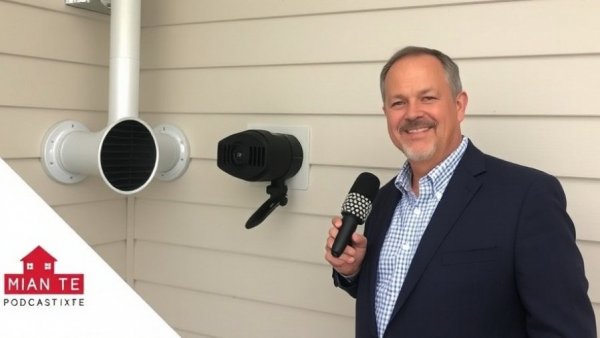
Listener Cory from the Fine Homebuilding Podcast provided a compelling example of how he employed this system in his 1950s home. By replacing original basement windows with modern glass-block units that feature hopper windows, he achieved effective air exchange without the need for an elaborate HVAC system. It’s a practical solution for homeowners looking to enhance overall air quality while maintaining comfort during the colder months.
The Rise of Trades Education: A Vital Shift in Curriculum
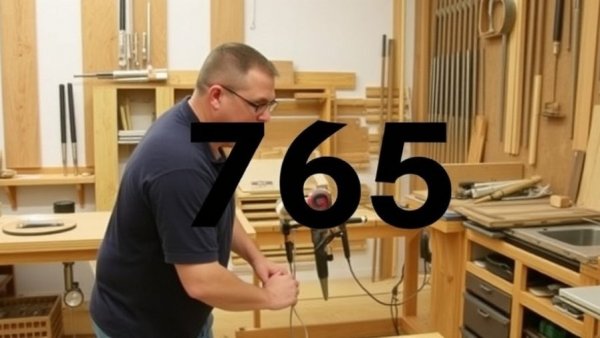
As highlighted by listener David, the rise of trades education has been significant and timely, especially as less emphasis is placed on traditional college degrees. Annie Lowrey from The Atlantic points out that with trade jobs booming, schools are adapting their curricula to meet this demand. This shift presents an opportunity for experienced professionals, like Nathan, who may transition from carpentry into teaching trades to younger generations. Investing in shop classes not only prepares students for lucrative careers but also fosters a deeper understanding of building and craftsmanship that can be beneficial for society at large.
Practical Insights on Creating Effective Learning Environments
When considering what tools and projects to implement in a shop class, it is essential to optimize for engagement and skill development. Nathan's inquiry serves as a vital starting point for educators planning a new trades curriculum. Essential tools might include a variety of saws, drills, and sanding equipment. Projects could range from simple woodworking items like birdhouses to more involved constructions such as furniture pieces or small structures, emphasizing safety and practical skill.
Transforming Your Basement: The Case for Rat Slab Flooring
For homeowners like Kit, tackling a basement floor can be daunting. While many suggest utilizing tiles, it's crucial to evaluate the environment. The use of tile atop a concrete rat slab—while aesthetically appealing—may present adhesion and moisture issues. Instead, alternatives like epoxy coatings or polished concrete can provide durable, easy-to-clean surfaces that work effectively in lower-level spaces. Exploring various flooring options can lead to a more functional and inviting area, making home improvement feel less intimidating.
Future Trends in Home Improvement: Insights and Opportunities
As we look toward the future, the integration of technology into home improvement is inevitable. Smart home systems are increasingly adaptive, providing enhanced functionality that homeowners can tailor to their needs. HVAC systems are evolving with interfaces that allow real-time monitoring of air quality and temperature management. Embracing these innovations will be crucial for homeowners aiming to stay ahead of energy policies and personal comfort.
The discussions around ventilation, trades education, and basement transformations are interwoven with larger trends in the home improvement industry. By staying informed and adaptable, homeowners can not only improve their living spaces but also contribute to a greater community understanding of skilled trades. As projects unfold, consider this an invitation to engage with your local tradespeople and explore how they might help in improving your home.
In conclusion, whether enhancing air quality through proper ventilation, committing to education in trades, or revitalizing your basement, each action plays a significant role in the broader landscape of home improvement. The journey is as important as the destination, encouraging a hands-on approach that benefits not just yourself but also the next generation of builders and thinkers.



Write A Comment