
cropper
update
HOME SERVICE HUB
cropper
update

Home Improvement, HVAC & Local Service Guides

  • Home
  • Categories
    • Smart Home Solutions
    • Gardening
    • Landscaping
    • Home Exterior
    • Outdoor Living
    • Smart Homes
    • Lawncare
    • Lighting Solutions
    • Plumbing Tips
    • HVAC
  • Featured Business Profiles
February 21.2025
3 Minutes Read

Grow Potatoes in Straw: Embrace a Minimal Digging Technique

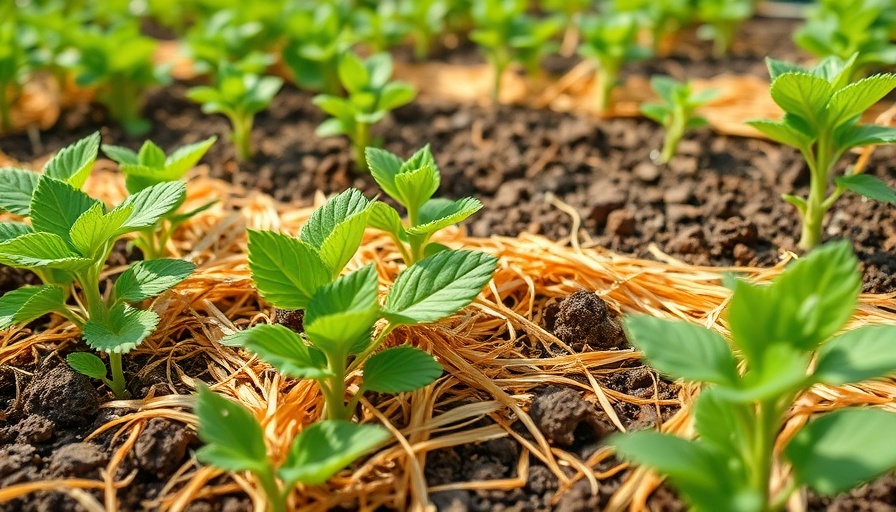
Potato plants growing through straw in a garden bed.

Unlocking the Secrets of Growing Potatoes in Straw

Are you tired of digging deep into the dirt to unearth your potatoes? Imagine growing these wonderful tubers with minimal effort while keeping your garden soil healthy and pest-free. Growing potatoes in straw is a revolutionary method that not only simplifies the planting and harvesting processes but also enhances soil quality. This technique is accessible for both seasoned gardeners and beginners alike, turning your green thumb into a stress-free experience.

The Benefits of Potatoes in Straw

Using straw to cultivate potatoes brings a multitude of benefits. First and foremost, this method is an easy way to harvest. Simply move the straw aside, and voilà! Clean potatoes await. For those looking to enjoy fresh “new potatoes,” harvesting is as simple as picking just a few at a time while leaving the rest to mature. Additionally, this technique minimizes soil compaction, making it ideal for heavy clay or rocky soil types.

Moreover, straw acts as an insulating blanket, keeping tubers cool and dark—the perfect conditions for growth. There’s also evidence to suggest that utilizing straw can reduce pest populations, shielding your plants from unwelcome guests like aphids and thrips.

Finding the Right Potato Varieties

Not every potato variety is suitable for straw cultivation, but many thrive in it. Consider trying:

  • Kennebec: A hardy, storage-friendly potato with a white flesh.
  • Purple Majesty: A stunning, deep-purple potato perfect for fries.
  • Yukon Gold: A beloved early-season option with a creamy texture.

These varieties can yield impressive results when planted correctly under straw, maximizing your garden’s production.

When and How to Plant

The ideal time to plant potatoes in straw depends on your local climate. In general, wait until after the last frost date, ensuring the soil temperature is at least 50°F. To start, gather necessary supplies: seed potatoes, and a quality straw bale without seeds. Loosely place the sprouting seed potatoes in the straw, covering them with a generous layer of straw (around six inches). Water thoroughly and watch as green sprouts begin to emerge through the straw.

Nurturing Potato Plants

Once planted, these potatoes need minimal care. Ensure they receive adequate moisture; about once a week watering should suffice. As the plants grow, keep adding straw as needed to maintain coverage, which will bolster growth and protect emerging foliage. With time, the plants will begin to die back as they reach maturity.

Harvesting Made Easy

When it's finally time to enjoy your hard work, the harvest process is simple. Remove the top layer of straw to reveal your potatoes nestled in the lower straw. Brush off any debris—don’t wash them, as this can diminish their storage life. Store them in a cool, dark place, checking periodically to ensure they remain in good condition.

Final Thoughts and Tips

Growing potatoes in straw not only conserves your back but also enhances your gardening techniques. It provides a unique, low-stress way to enjoy one of the most versatile vegetables. It helps sustain soil health, reduces pests, and might even make your potatoes tastier! Whether you are growing them for your family or contemplating a small home garden business, this method is reliable and rewarding.

Ready to dig into this innovative gardening method? Try growing your own potatoes in straw this season!

Landscaping

17 Views

0 Comments

Write A Comment

*
*
Please complete the captcha to submit your comment.
Related Posts All Posts
10.12.2026

Master the Art of How to Freeze Butternut Squash for Future Meals

Update Unlocking the Culinary Magic of Frozen Butternut Squash If you've mulled over how to freeze butternut squash, you're not alone. Many home gardeners wonder whether it's worth the effort, given that this nutritious winter squash can last quite a while when stored properly. However, what most don’t realize is that freezing butternut squash can be a game-changer in the kitchen, allowing you to enjoy its sweet flavor and rich nutrients long after harvest. Benefits of Freezing Butternut Squash Butternut squash typically has a decent shelf life, yet freezing offers numerous advantages: Convenience: Having pre-cubed or pureed squash on hand makes weeknight cooking effortless. Reducing Waste: If you only need part of a squash, freezing the rest prevents spoilage. Preservation: If the squash has minor imperfections, freezing extends its usability. Time-Saving: Frozen squash dramatically reduces cooking times when preparing comforting winter soups and stews. Best Time to Harvest Butternut Squash for Freezing To freeze butternut squash effectively, timing is crucial. Harvest your squash when the vine is dying, the fruit showcases a uniform orange color, and the rind is tough enough to withstand a fingernail scratch. Always remember to harvest before the frost strikes! Choosing and Preparing Your Squash When selecting squash for freezing: Opt for mature, firm specimens that have already been cured to enhance sweetness. Avoid any squash that is mushy, moldy, or has major blemishes. The first step to freezing? Start with preparation. Begin by washing the squash well and cut off the ends to stabilize it. Using a sturdy peeler or knife, carefully remove the rind in strips. Step-by-Step Guide to Freezing Butternut Squash To ensure your frozen squash retains its flavor and nutrients, let’s dive into the steps: Step 1: Wash & Peel Rinse your squash under water to remove any dirt. Cut off both ends so it can sit upright on your cutting board. Then, peel the squash thoroughly. Step 2: Seed Removal With a sharp knife, cut the squash in half lengthwise and scoop out the seeds using a spoon. You have several options with the seeds: roast them for a snack, save them for planting, or compost them. Step 3: Cube the Flesh Next, slice the squash into long strips and then dice these into 1-inch cubes. This size is ideal for quick cooking in curries, casseroles, and soups. Step 4: Blanching Blanching is necessary to preserve the squash's quality during freezing. To do this, bring a pot of water to a rolling boil. Introduce your butternut squash cubes into the water and blanch for approximately 2-3 minutes, ensuring that their bright hue is retained. Step 5: Cool and Freeze Immediately transfer the blanched squash to an ice bath to stop the cooking process. Once cooled, drain the cubes thoroughly, and then lay them on a baking sheet in a single layer to freeze. After a few hours, you can store them in freezer bags or airtight containers. Creative Ways to Use Your Frozen Butternut Squash Once you master how to freeze butternut squash, you'll open the door to delightful culinary creations: Add frozen cubes to smoothies for a nutrient boost. Use them directly in soups and stews; no thawing necessary! Incorporate them into pasta dishes for extra texture and flavor. Conclusion: Embrace the Frozen Future! Freezing butternut squash is not only a smart choice for maximizing your harvest but also a wonderful way to enhance your meals all winter long. So, gather your squash, and let's get started! What are you waiting for? Freeze your butternut squash today and transform your kitchen adventures!

10.07.2026

Unlock the Secrets to Freezing Butternut Squash for Year-Round Use

Update Why Freeze Butternut Squash? As we transition into the cooler months, the thought of enjoying seasonal produce like butternut squash becomes even more appealing. While this winter squash is renowned for its long shelf life when stored correctly, freezing it can offer several advantages that enhance its culinary versatility. For many gardeners and home cooks, having pre-cubed and frozen butternut squash handy can streamline dinner preparations and minimize food waste, especially when dealing with harvests that may exceed immediate needs. Harvesting the Perfect Squash The journey to freezing butternut squash begins with the harvest. Knowing when to harvest is crucial to ensuring that the squash retains its flavor and texture. Ideally, look for a uniform orange color on the squash. A good test to ensure readiness is the fingernail test; your nail should not easily dent the rind. Additionally, it's essential to harvest before the first frost, as frost can spoil your squash. Remember, the sweetness of butternut squash intensifies if you allow it to cure in a dry, cool location for a couple of weeks post-harvest. Preparing Butternut Squash for Freezing Once you've harvested your butternut squash, proper preparation is vital for successful freezing. Start by selecting mature and firm squash. Look out for blemishes and avoid any mushy spots. Begin preparation by washing the squash thoroughly to remove any dirt. Cut off both ends to create stability while peeling; then, using a sturdy vegetable peeler or knife, strip away the rind. Next, slice the squash in half lengthwise and scoop out the seeds. Here, you can choose to rinse and roast the seeds for a tasty snack or simply compost them. If you're planning to save seeds, be aware that butternut squash can cross-pollinate, which may complicate pure seed saving. After these preliminary steps, you're ready to cut the squash into cubes. The Art of Blanching Blanching is a crucial step in preparing vegetables for freezing, as it halts enzyme action that can cause loss of flavor, color, and nutrients. To blanch your butternut squash cubes, boil a pot of water, then add the cubes for about three minutes. This process not only helps to preserve the squash’s vibrant color and essential nutrients but also reduces cooking time for later use. Packaging and Storing After blanching, quickly cool the squash in an ice water bath to stop the cooking process. Once cooled, drain the cubes thoroughly and pack them into airtight freezer bags or plastic containers, making sure to remove excess air to prevent freezer burn. Label the bags with the packing date to keep track of freshness. Creative Uses for Frozen Butternut Squash Frozen butternut squash can be a game-changer in the kitchen. Its versatility means it can easily be added to various dishes, from soups and stews to casseroles and even smoothies. When you need a quick meal fix, simply pull a portion from the freezer, reheat, and toss it into your dish for added nutrition and flavor. Final Thoughts: A Garden Lover's Secret For homeowners invested in gardening, freezing butternut squash not only maximizes your harvest but also reinforces the sustainability aspect of home gardening. By preserving what you've grown, you're minimizing waste and ensuring your efforts yield delicious results well into the winter months. So, the next time you find yourself with an abundance of butternut squash, remember that taking the time to freeze will pay off in flavorful meals throughout the season. Ready to start your butternut squash freezing adventure? Gather your harvested squash and follow these simple steps to enjoy delicious flavors all winter long!

09.24.2026

Explore Fall Planter Ideas to Transform Your Outdoor Space

Update Refreshing Your Outdoor Space with Fall Planter Ideas As the warm embrace of summer fades away, many homeowners start to feel the need to refresh their outdoor spaces, particularly their gardens and planters. Fall is an ideal time to elevate the beauty of your home's exterior with creative planter ideas that capture the rich colors and textures of the season. Whether you’re a seasoned gardener or just starting to dabble in home decoration, there's something captivating about autumn that inspires new design aesthetics. Why Consider Fall Pots? As summer flowers begin to signal their departure, it’s time for a change. Fall containers can serve not only as a functional part of your landscape but also as a beautiful focal point. Incorporating plants that thrive in the cooler weather can transform your porch, patio, or front yard into a vibrant showcase. Look for cold-tolerant plants such as mums, ornamental brassicas like kales and cabbages, and even colorful peppers which stay resilient through autumn. These plants not only add beauty but also can remain vibrant into the colder months, giving you more time to enjoy your outdoor spaces. Crafting Your Planter The process of creating a fall planter can be both enjoyable and fulfilling. Start by removing any summer plants that have started to fade; however, consider keeping perennial plants that have thrived. Perennials like heucheras, which add beautiful foliage, can be a great addition and serve as a base for your fall display. After refreshing the soil in your containers, think about pairing your favorite autumn hues. While traditional colors of reds, oranges, and browns are classic, don’t hesitate to explore deeper purples or even more vibrant pinks to add a unique twist to your arrangements. Accessorizing Your Fall Creations Fall isn't just about the plants; accessories can play an essential role in elevating your planter designs. Gourds and pumpkins provide not just color but also an interesting shape that complements your greenery. For those who have also battled with local wildlife, like squirrels who enjoy nibbling on pumpkins, consider using artificial gourds or pumpkin decor. They can still bring a seasonal flair to your outdoor space without the worry of animal interference. Watering and Maintenance in Fall While you might not need to water your autumn containers as frequently as you did during the summer, it’s crucial not to overlook their hydration needs. As days become short, plants still need moisture to thrive. Moreover, regularly checking your pots allows you to observe any changes that may need addressing, ensuring that your displays are always looking their best. Maximizing Textures and Layers Fall containers allow for a delightful combination of textures and layers, transforming your outdoor settings into rich visual experiences. Incorporating a mix of tall ornamental grasses, delicate flowers, and vibrant foliage gives a depth that keeps your planter visually engaging. By integrating layers—height, fullness, and spills—you create an exciting composition that can tease the senses, making observers smile at the intricacies of your arrangement. Future Planning: An Eye on Next Season As you enjoy your fall design, it’s also wise to think ahead. Consider how your selections will transition into winter and even spring. Choosing plants that provide winter interest, such as evergreens, may be an excellent way to extend your garden's appeal. Planning now can result in a continuously stunning display that enhances your home’s exterior through changing seasons. As fall approaches, take the opportunity to express your creativity with your planters. Whether you choose to stick with tried-and-true fall aesthetics or venture into new color palettes, there’s no wrong way to celebrate the beauty of autumn. Ready to beautify your outdoor space this fall? Explore local nurseries or garden centers for seasonal plants and let your imagination run wild. Happy gardening!

cropper
update
HOME SERVICE HUB
cropper
update

Homeowners seeking trusted advice and resources for maintaining and improving their properties

  • update
  • update
  • update
  • update
  • update
  • update
  • update

COMPANY

  • Privacy Policy
  • Terms of Use
  • Advertise
  • Contact Us
  • Menu 5
  • Menu 6

(949) 375-3833

AVAILABLE FROM 8AM - 5PM

Huntington Beach, CA

18685 Main Street 101-228
Huntington Beach, CA 92649

ABOUT US

Home Service Hub is a subsidiary of High Octane Digital Group.

© 2026 Home Service Hub All Rights Reserved. 18685 Main Street 101-228, Huntington Beach, California 92649 . Contact Us . Terms of Service . Privacy Policy

eyJjb21wYW55IjoiSG9tZSBTZXJ2aWNlIEh1YiIsImFkZHJlc3MiOiIxODY4NSBNYWluIFN0cmVldCAxMDEtMjI4IiwiY2l0eSI6Ikh1bnRpbmd0b24gQmVhY2giLCJzdGF0ZSI6IkNhbGlmb3JuaWEiLCJ6aXAiOiI5MjY0OSIsImVtYWlsIjoicmlja0BoaWdob2N0YW5lbG9jYWwuY29tIiwidG9zIjoiUEhBK1BITjBjbTl1Wno0OFpXMCtWMmhsYmlCNWIzVWdjMmxuYmkxcGJpQjNhWFJvSUhWekxDQjViM1VnWVhKbElHZHBkbWx1WnladVluTndPeUI1YjNWeUlIQmxjbTFwYzNOcGIyNGdZVzVrSUdOdmJuTmxiblFnZEc4Z2MyVnVaQ0I1YjNVZ1pXMWhhV3dnWVc1a0wyOXlJRk5OVXlCMFpYaDBJRzFsYzNOaFoyVnpMaUJDZVNCamFHVmphMmx1WnlCMGFHVWdWR1Z5YlhNZ1lXNWtJRU52Ym1ScGRHbHZibk1nWW05NElHRnVaQ0JpZVNCemFXZHVhVzVuSUdsdUlIbHZkU0JoZFhSdmJXRjBhV05oYkd4NUlHTnZibVpwY20wZ2RHaGhkQ0I1YjNVZ1lXTmpaWEIwSUdGc2JDQjBaWEp0Y3lCcGJpQjBhR2x6SUdGbmNtVmxiV1Z1ZEM0OEwyVnRQand2YzNSeWIyNW5Qand2Y0Q0S0NqeHdQanhoSUdoeVpXWTlJbWgwZEhBNkx5OTNkM2N1WjI5dloyeGxMbU52YlNJK2FIUjBjRG92TDNkM2R5NW5iMjluYkdVdVkyOXRQQzloUGp3dmNENEtDanh3UGladVluTndPend2Y0Q0S0NqeHdQanh6ZEhKdmJtYytVMFZTVmtsRFJUd3ZjM1J5YjI1blBqd3ZjRDRLQ2p4d1BsZGxJSEJ5YjNacFpHVWdZU0J6WlhKMmFXTmxJSFJvWVhRZ1kzVnljbVZ1ZEd4NUlHRnNiRzkzY3lCNWIzVWdkRzhnY21WalpXbDJaU0J5WlhGMVpYTjBjeUJtYjNJZ1ptVmxaR0poWTJzc0lHTnZiWEJoYm5rZ2FXNW1iM0p0WVhScGIyNHNJSEJ5YjIxdmRHbHZibUZzSUdsdVptOXliV0YwYVc5dUxDQmpiMjF3WVc1NUlHRnNaWEowY3l3Z1kyOTFjRzl1Y3l3Z1pHbHpZMjkxYm5SeklHRnVaQ0J2ZEdobGNpQnViM1JwWm1sallYUnBiMjV6SUhSdklIbHZkWElnWlcxaGFXd2dZV1JrY21WemN5QmhibVF2YjNJZ1kyVnNiSFZzWVhJZ2NHaHZibVVnYjNJZ1pHVjJhV05sTGlCWmIzVWdkVzVrWlhKemRHRnVaQ0JoYm1RZ1lXZHlaV1VnZEdoaGRDQjBhR1VnVTJWeWRtbGpaU0JwY3lCd2NtOTJhV1JsWkNBbWNYVnZkRHRCVXkxSlV5WnhkVzkwT3lCaGJtUWdkR2hoZENCM1pTQmhjM04xYldVZ2JtOGdjbVZ6Y0c5dWMybGlhV3hwZEhrZ1ptOXlJSFJvWlNCMGFXMWxiR2x1WlhOekxDQmtaV3hsZEdsdmJpd2diV2x6TFdSbGJHbDJaWEo1SUc5eUlHWmhhV3gxY21VZ2RHOGdjM1J2Y21VZ1lXNTVJSFZ6WlhJZ1kyOXRiWFZ1YVdOaGRHbHZibk1nYjNJZ2NHVnljMjl1WVd4cGVtRjBhVzl1SUhObGRIUnBibWR6TGp3dmNENEtDanh3UGxsdmRTQmhjbVVnY21WemNHOXVjMmxpYkdVZ1ptOXlJRzlpZEdGcGJtbHVaeUJoWTJObGMzTWdkRzhnZEdobElGTmxjblpwWTJVZ1lXNWtJSFJvWVhRZ1lXTmpaWE56SUcxaGVTQnBiblp2YkhabElIUm9hWEprSUhCaGNuUjVJR1psWlhNZ0tITjFZMmdnWVhNZ1UwMVRJSFJsZUhRZ2JXVnpjMkZuWlhNc0lFbHVkR1Z5Ym1WMElITmxjblpwWTJVZ2NISnZkbWxrWlhJZ2IzSWdZMlZzYkhWc1lYSWdZV2x5ZEdsdFpTQmphR0Z5WjJWektTNGdXVzkxSUdGeVpTQnlaWE53YjI1emFXSnNaU0JtYjNJZ2RHaHZjMlVnWm1WbGN5d2dhVzVqYkhWa2FXNW5JSFJvYjNObElHWmxaWE1nWVhOemIyTnBZWFJsWkNCM2FYUm9JSFJvWlNCa2FYTndiR0Y1SUc5eUlHUmxiR2wyWlhKNUlHOW1JR1ZoWTJnZ1UwMVRJSFJsZUhRZ2JXVnpjMkZuWlNCelpXNTBJSFJ2SUhsdmRTQmllU0IxY3k0Z1NXNGdZV1JrYVhScGIyNHNJSGx2ZFNCdGRYTjBJSEJ5YjNacFpHVWdZVzVrSUdGeVpTQnlaWE53YjI1emFXSnNaU0JtYjNJZ1lXeHNJR1Z4ZFdsd2JXVnVkQ0J1WldObGMzTmhjbmtnZEc4Z1lXTmpaWE56SUhSb1pTQlRaWEoyYVdObElHRnVaQ0J5WldObGFYWmxJSFJvWlNCVFRWTWdkR1Y0ZENCdFpYTnpZV2RsY3k0Z1YyVWdaRzhnYm05MElHTm9ZWEpuWlNCaGJua2dabVZsY3lCbWIzSWdaR1ZzYVhabGNua2diMllnWlcxaGFXd2diM0lnVTAxVExpQlVhR2x6SUdseklHRWdabkpsWlNCelpYSjJhV05sSUhCeWIzWnBaR1ZrSUdKNUlIVnpMaUJJYjNkbGRtVnlMQ0J3YkdWaGMyVWdZMmhsWTJzZ2QybDBhQ0I1YjNWeUlHbHVkR1Z5Ym1WMElITmxjblpwWTJVZ2NISnZkbWxrWlhJZ1lXNWtJR05sYkd4MWJHRnlJR05oY25KcFpYSWdabTl5SUdGdWVTQmphR0Z5WjJWeklIUm9ZWFFnYldGNUlHbHVZM1Z5SUdGeklHRWdjbVZ6ZFd4MElHWnliMjBnY21WalpXbDJhVzVuSUdWdFlXbHNJR0Z1WkNCVFRWTWdkR1Y0ZENCdFpYTnpZV2RsY3lCMGFHRjBJSGRsSUdSbGJHbDJaWElnZFhCdmJpQjViM1Z5SUc5d2RDMXBiaUJoYm1RZ2NtVm5hWE4wY21GMGFXOXVJSGRwZEdnZ2IzVnlJR1Z0WVdsc0lHRnVaQ0JUVFZNZ2MyVnlkbWxqWlhNdUlGbHZkU0JqWVc0Z1kyRnVZMlZzSUdGMElHRnVlU0IwYVcxbExpQktkWE4wSUhSbGVIUWdKbkYxYjNRN1UxUlBVQ1p4ZFc5ME95QjBieVp1WW5Od096eG9hV2RvYkdsbmFIUWdZMnhoYzNNOUltTnZiWEJoYm5sVFRWTlFhRzl1WlZWd1pHRjBaU0krYm5Wc2JEd3ZhR2xuYUd4cFoyaDBQaTRnUVdaMFpYSWdlVzkxSUhObGJtUWdkR2hsSUZOTlV5QnRaWE56WVdkbElDWnhkVzkwTzFOVVQxQW1jWFZ2ZERzZ2RHOGdkWE1zSUhkbElIZHBiR3dnYzJWdVpDQjViM1VnWVc0Z1UwMVRJRzFsYzNOaFoyVWdkRzhnWTI5dVptbHliU0IwYUdGMElIbHZkU0JvWVhabElHSmxaVzRnZFc1emRXSnpZM0pwWW1Wa0xpQkJablJsY2lCMGFHbHpMQ0I1YjNVZ2QybHNiQ0J1YnlCc2IyNW5aWElnY21WalpXbDJaU0JUVFZNZ2JXVnpjMkZuWlhNZ1puSnZiU0IxY3k0OEwzQStDZ284Y0Q0OGMzUnliMjVuUGxsUFZWSWdVa1ZIU1ZOVVVrRlVTVTlPSUU5Q1RFbEhRVlJKVDA1VFBDOXpkSEp2Ym1jK1BDOXdQZ29LUEhBK1NXNGdZMjl1YzJsa1pYSmhkR2x2YmlCdlppQjViM1Z5SUhWelpTQnZaaUIwYUdVZ1UyVnlkbWxqWlN3Z2VXOTFJR0ZuY21WbElIUnZPand2Y0Q0S0NqeHZiRDRLQ1R4c2FUNXdjbTkyYVdSbElIUnlkV1VzSUdGalkzVnlZWFJsTENCamRYSnlaVzUwSUdGdVpDQmpiMjF3YkdWMFpTQnBibVp2Y20xaGRHbHZiaUJoWW05MWRDQjViM1Z5YzJWc1ppQmhjeUJ3Y205dGNIUmxaQ0JpZVNCMGFHVWdVMlZ5ZG1salpTWWpNems3Y3lCeVpXZHBjM1J5WVhScGIyNGdabTl5YlNBb2MzVmphQ0JwYm1admNtMWhkR2x2YmlCaVpXbHVaeUIwYUdVZ0puRjFiM1E3VW1WbmFYTjBjbUYwYVc5dUlFUmhkR0VtY1hWdmREc3BJR0Z1WkR3dmJHaytDZ2s4YkdrK2JXRnBiblJoYVc0Z1lXNWtJSEJ5YjIxd2RHeDVJSFZ3WkdGMFpTQjBhR1VnVW1WbmFYTjBjbUYwYVc5dUlFUmhkR0VnZEc4Z2EyVmxjQ0JwZENCMGNuVmxMQ0JoWTJOMWNtRjBaU3dnWTNWeWNtVnVkQ0JoYm1RZ1kyOXRjR3hsZEdVdUlFbG1JSGx2ZFNCd2NtOTJhV1JsSUdGdWVTQnBibVp2Y20xaGRHbHZiaUIwYUdGMElHbHpJSFZ1ZEhKMVpTd2dhVzVoWTJOMWNtRjBaU3dnYm05MElHTjFjbkpsYm5RZ2IzSWdhVzVqYjIxd2JHVjBaU3dnYjNJZ2QyVWdhR0YyWlNCeVpXRnpiMjVoWW14bElHZHliM1Z1WkhNZ2RHOGdjM1Z6Y0dWamRDQjBhR0YwSUhOMVkyZ2dhVzVtYjNKdFlYUnBiMjRnYVhNZ2RXNTBjblZsTENCcGJtRmpZM1Z5WVhSbExDQnViM1FnWTNWeWNtVnVkQ0J2Y2lCcGJtTnZiWEJzWlhSbExDQjNaU0JvWVhabElIUm9aU0J5YVdkb2RDQjBieUJ6ZFhOd1pXNWtJRzl5SUR4emRISnZibWMrUEhOd1lXNGdjM1I1YkdVOUltTnZiRzl5T2lOR1JqQXdNREE3SWo1MFpYSnRhVzVoZEdVZ2VXOTFjaUJoWTJOdmRXNTBMM0J5YjJacGJHVWdZVzVrSUhKbFpuVnpaU0JoYm5rZ1lXNWtJR0ZzYkNCamRYSnlaVzUwSUc5eUlHWjFkSFZ5WlNCMWMyVWdiMllnZEdobElGTmxjblpwWTJVZ0tHOXlJR0Z1ZVNCd2IzSjBhVzl1SUhSb1pYSmxiMllwTGp3dmMzQmhiajQ4TDNOMGNtOXVaejQ4TDJ4cFBnbzhMMjlzUGdvS1BIQStKbTVpYzNBN1BDOXdQZ284YUdsbmFHeHBaMmgwSUdOc1lYTnpQU0pqYjIxd1lXNTVUbUZ0WlZWd1pHRjBaU0krU0c5dFpTQlRaWEoyYVdObElFaDFZand2YUdsbmFHeHBaMmgwUGp4aWNpQXZQZ284YUdsbmFHeHBaMmgwSUdOc1lYTnpQU0pqYjIxd1lXNTVRV1JrY21WemMxVndaR0YwWlNJK01UZzJPRFVnVFdGcGJpQlRkSEpsWlhRZ01UQXhMVEl5T0N3Z1NIVnVkR2x1WjNSdmJpQkNaV0ZqYUN3Z1EyRnNhV1p2Y201cFlTQTVNalkwT1R3dmFHbG5hR3hwWjJoMFBqeGljaUF2UGdvOGFHbG5hR3hwWjJoMElHTnNZWE56UFNKamIyMXdZVzU1VUdodmJtVlZjR1JoZEdVaVBpc3hPVFE1TXpjMU16Z3pNend2YUdsbmFHeHBaMmgwUGp4aWNpQXZQZ284YUdsbmFHeHBaMmgwSUdOc1lYTnpQU0pqYjIxd1lXNTVSVzFoYVd4VmNHUmhkR1VpUG5KcFkydEFhR2xuYUc5amRHRnVaV3h2WTJGc0xtTnZiVHd2YUdsbmFHeHBaMmgwUGc9PSIsInByaXZhY3kiOiJQSEErUEhOMGNtOXVaejVRVWtsV1FVTlpQQzl6ZEhKdmJtYytQQzl3UGdvS1BIQStQSE4wY205dVp6NVVhR1VnYVc1bWIzSnRZWFJwYjI0Z2NISnZkbWxrWldRZ1pIVnlhVzVuSUhSb2FYTWdjbVZuYVhOMGNtRjBhVzl1SUdseklHdGxjSFFnY0hKcGRtRjBaU0JoYm1RZ1kyOXVabWxrWlc1MGFXRnNMQ0JoYm1RZ2QybHNiQ0J1WlhabGNpQmlaU0JrYVhOMGNtbGlkWFJsWkN3Z1kyOXdhV1ZrTENCemIyeGtMQ0IwY21Ga1pXUWdiM0lnY0c5emRHVmtJR2x1SUdGdWVTQjNZWGtzSUhOb1lYQmxJRzl5SUdadmNtMHVJRlJvYVhNZ2FYTWdiM1Z5SUdkMVlYSmhiblJsWlM0OEwzTjBjbTl1Wno0OEwzQStDZ284Y0Q0OGMzUnliMjVuUGtsT1JFVk5Ua2xVV1R3dmMzUnliMjVuUGp3dmNENEtDanh3UGp4bGJUNVpiM1VnWVdkeVpXVWdkRzhnYVc1a1pXMXVhV1o1SUdGdVpDQm9iMnhrSUhWekxDQmhibVFnYVhSeklITjFZbk5wWkdsaGNtbGxjeXdnWVdabWFXeHBZWFJsY3l3Z2IyWm1hV05sY25Nc0lHRm5aVzUwY3l3Z1kyOHRZbkpoYm1SbGNuTWdiM0lnYjNSb1pYSWdjR0Z5ZEc1bGNuTXNJR0Z1WkNCbGJYQnNiM2xsWlhNc0lHaGhjbTFzWlhOeklHWnliMjBnWVc1NUlHTnNZV2x0SUc5eUlHUmxiV0Z1WkN3Z2FXNWpiSFZrYVc1bklISmxZWE52Ym1GaWJHVWdZWFIwYjNKdVpYbHpKaU16T1RzZ1ptVmxjeXdnYldGa1pTQmllU0JoYm5rZ2RHaHBjbVFnY0dGeWRIa2daSFZsSUhSdklHOXlJR0Z5YVhOcGJtY2diM1YwSUc5bUlFTnZiblJsYm5RZ2VXOTFJSEpsWTJWcGRtVXNJSE4xWW0xcGRDd2djbVZ3Ykhrc0lIQnZjM1FzSUhSeVlXNXpiV2wwSUc5eUlHMWhhMlVnWVhaaGFXeGhZbXhsSUhSb2NtOTFaMmdnZEdobElGTmxjblpwWTJVc0lIbHZkWElnZFhObElHOW1JSFJvWlNCVFpYSjJhV05sTENCNWIzVnlJR052Ym01bFkzUnBiMjRnZEc4Z2RHaGxJRk5sY25acFkyVXNJSGx2ZFhJZ2RtbHZiR0YwYVc5dUlHOW1JSFJvWlNCVVQxTXNJRzl5SUhsdmRYSWdkbWx2YkdGMGFXOXVJRzltSUdGdWVTQnlhV2RvZEhNZ2IyWWdZVzV2ZEdobGNpNDhMMlZ0UGp3dmNENEtDanh3UGp4emRISnZibWMrUkVsVFEweEJTVTFGVWlCUFJpQlhRVkpTUVU1VVNVVlRQQzl6ZEhKdmJtYytQQzl3UGdvS1BIQStQSE4wY205dVp6NVpUMVVnUlZoUVVrVlRVMHhaSUZWT1JFVlNVMVJCVGtRZ1FVNUVJRUZIVWtWRklGUklRVlE2UEM5emRISnZibWMrUEM5d1Bnb0tQRzlzUGdvSlBHeHBQbGxQVlZJZ1ZWTkZJRTlHSUZSSVJTQlRSVkpXU1VORklFbFRJRUZVSUZsUFZWSWdVMDlNUlNCU1NWTkxMaUJVU0VVZ1UwVlNWa2xEUlNCSlV5QlFVazlXU1VSRlJDQlBUaUJCVGlBbWNYVnZkRHRCVXlCSlV5WnhkVzkwT3lCQlRrUWdKbkYxYjNRN1FWTWdRVlpCU1V4QlFreEZKbkYxYjNRN0lFSkJVMGxUTGlBc0xpQkJUa1FnVlZNc0lFbFVKaU16T1R0VElFTlZVMVJQVFVWU1V5d2dSVmhRVWtWVFUweFpJRVJKVTBOTVFVbE5VeUJCVEV3Z1YwRlNVa0ZPVkVsRlV5QlBSaUJCVGxrZ1MwbE9SQ3dnVjBoRlZFaEZVaUJGV0ZCU1JWTlRJRTlTSUVsTlVFeEpSVVFzSUVsT1EweFZSRWxPUnl3Z1FsVlVJRTVQVkNCTVNVMUpWRVZFSUZSUElGUklSU0JKVFZCTVNVVkVJRmRCVWxKQlRsUkpSVk1nVDBZZ1RVVlNRMGhCVGxSQlFrbE1TVlJaTENCR1NWUk9SVk5USUVaUFVpQkJJRkJCVWxSSlExVk1RVklnVUZWU1VFOVRSU0JCVGtRZ1RrOU9MVWxPUmxKSlRrZEZUVVZPVkM0OEwyeHBQZ29KUEd4cFBrMUJTMFZUSUU1UElGZEJVbEpCVGxSWklGUklRVlFnS0drcElGUklSU0JUUlZKV1NVTkZJRmRKVEV3Z1RVVkZWQ0JaVDFWU0lGSkZVVlZKVWtWTlJVNVVVeXdnS0dscEtTQlVTRVVnVTBWU1ZrbERSU0JYU1V4TUlFSkZJRlZPU1U1VVJWSlNWVkJVUlVRc0lGUkpUVVZNV1N3Z1UwVkRWVkpGTENCUFVpQkZVbEpQVWkxR1VrVkZMQ0FvYVdscEtTQlVTRVVnVWtWVFZVeFVVeUJVU0VGVUlFMUJXU0JDUlNCUFFsUkJTVTVGUkNCR1VrOU5JRlJJUlNCVlUwVWdUMFlnVkVoRklGTkZVbFpKUTBVZ1YwbE1UQ0JDUlNCQlEwTlZVa0ZVUlNCUFVpQlNSVXhKUVVKTVJTd2dRVTVFSUNocGRpa2dRVTVaSUVWU1VrOVNVeUJKVGlCVVNFVWdVMDlHVkZkQlVrVWdWMGxNVENCQ1JTQkRUMUpTUlVOVVJVUXVQQzlzYVQ0S0NUeHNhVDVCVGxrZ1RVRlVSVkpKUVV3Z1JFOVhUa3hQUVVSRlJDQlBVaUJQVkVoRlVsZEpVMFVnVDBKVVFVbE9SVVFnVkVoU1QxVkhTQ0JVU0VVZ1ZWTkZJRTlHSUZSSVJTQlRSVkpXU1VORklFbFRJRVJQVGtVZ1FWUWdXVTlWVWlCUFYwNGdSRWxUUTFKRlZFbFBUaUJCVGtRZ1VrbFRTeUJCVGtRZ1ZFaEJWQ0JaVDFVZ1YwbE1UQ0JDUlNCVFQweEZURmtnVWtWVFVFOU9VMGxDVEVVZ1JrOVNJRUZPV1NCRVFVMUJSMFVnVkU4Z1dVOVZVaUJEVDAxUVZWUkZVaUJUV1ZOVVJVMGdUMUlnVEU5VFV5QlBSaUJFUVZSQklGUklRVlFnVWtWVFZVeFVVeUJHVWs5TklGUklSU0JFVDFkT1RFOUJSQ0JQUmlCQlRsa2dVMVZEU0NCTlFWUkZVa2xCVEM0OEwyeHBQZ29KUEd4cFBrNVBJRUZFVmtsRFJTQlBVaUJKVGtaUFVrMUJWRWxQVGl3Z1YwaEZWRWhGVWlCUFVrRk1JRTlTSUZkU1NWUlVSVTRzSUU5Q1ZFRkpUa1ZFSUVKWklGbFBWU0JHVWs5TklFOVNJRlJJVWs5VlIwZ2dUMUlnUmxKUFRTQlVTRVVnVTBWU1ZrbERSU0JUU0VGTVRDQkRVa1ZCVkVVZ1FVNVpJRmRCVWxKQlRsUlpJRTVQVkNCRldGQlNSVk5UVEZrZ1UxUkJWRVZFSUVsT0lGUklSU0JVVDFNdVBDOXNhVDRLUEM5dmJENEtDanh3UGp4emRISnZibWMrVEVsTlNWUkJWRWxQVGlCUFJpQk1TVUZDU1V4SlZGazhMM04wY205dVp6NDhMM0ErQ2dvOGNENVpUMVVnUlZoUVVrVlRVMHhaSUZWT1JFVlNVMVJCVGtRZ1FVNUVJRUZIVWtWRklGUklRVlFnUVU1RUlGTklRVXhNSUU1UFZDQkNSU0JNU1VGQ1RFVWdSazlTSUVGT1dTQkVTVkpGUTFRc0lFbE9SRWxTUlVOVUxDQkpUa05KUkVWT1ZFRk1MQ0JUVUVWRFNVRk1MQ0JEVDA1VFJWRlZSVTVVU1VGTUlFOVNJRVZZUlUxUVRFRlNXU0JFUVUxQlIwVlRMQ0JKVGtOTVZVUkpUa2NnUWxWVUlFNVBWQ0JNU1UxSlZFVkVJRlJQTENCRVFVMUJSMFZUSUVaUFVpQk1UMU5USUU5R0lGQlNUMFpKVkZNc0lFZFBUMFJYU1V4TUxDQlZVMFVzSUVSQlZFRWdUMUlnVDFSSVJWSWdTVTVVUVU1SFNVSk1SU0JNVDFOVFJWTWdLRVZXUlU0Z1NVWWdTRUZUSUVKRlJVNGdRVVJXU1ZORlJDQlBSaUJVU0VVZ1VFOVRVMGxDU1V4SlZGa2dUMFlnVTFWRFNDQkVRVTFCUjBWVEtTd2dVa1ZUVlV4VVNVNUhJRVpTVDAwNlBDOXdQZ29LUEc5c1Bnb0pQR3hwUGxSSVJTQlZVMFVnVDFJZ1ZFaEZJRWxPUVVKSlRFbFVXU0JVVHlCVlUwVWdWRWhGSUZORlVsWkpRMFU3UEM5c2FUNEtDVHhzYVQ1VVNFVWdRMDlUVkNCUFJpQlFVazlEVlZKRlRVVk9WQ0JQUmlCVFZVSlRWRWxVVlZSRklFZFBUMFJUSUVGT1JDQlRSVkpXU1VORlV5QlNSVk5WVEZSSlRrY2dSbEpQVFNCQlRsa2dSMDlQUkZNc0lFUkJWRUVzSUVsT1JrOVNUVUZVU1U5T0lFOVNJRk5GVWxaSlEwVlRJRkJWVWtOSVFWTkZSQ0JQVWlCUFFsUkJTVTVGUkNCUFVpQk5SVk5UUVVkRlV5QlNSVU5GU1ZaRlJDQlBVaUJVVWtGT1UwRkRWRWxQVGxNZ1JVNVVSVkpGUkNCSlRsUlBJRlJJVWs5VlIwZ2dUMUlnUmxKUFRTQlVTRVVnVTBWU1ZrbERSVHM4TDJ4cFBnb0pQR3hwUGxWT1FWVlVTRTlTU1ZwRlJDQkJRME5GVTFNZ1ZFOGdUMUlnUVV4VVJWSkJWRWxQVGlCUFJpQlpUMVZTSUZSU1FVNVRUVWxUVTBsUFRsTWdUMUlnUkVGVVFUczhMMnhwUGdvSlBHeHBQbE5VUVZSRlRVVk9WRk1nVDFJZ1EwOU9SRlZEVkNCUFJpQkJUbGtnVkVoSlVrUWdVRUZTVkZrZ1QwNGdWRWhGSUZORlVsWkpRMFU3SUU5U1BDOXNhVDRLQ1R4c2FUNUJUbGtnVDFSSVJWSWdUVUZVVkVWU0lGSkZURUZVU1U1SElGUlBJRlJJUlNCVFJWSldTVU5GTGp3dmJHaytDand2YjJ3K0NnbzhjRDQ4ZFQ1Q2VTQnlaV2RwYzNSbGNtbHVaeUJoYm1RZ2MzVmljMk55YVdKcGJtY2dkRzhnYjNWeUlHVnRZV2xzSUdGdVpDQlRUVk1nYzJWeWRtbGpaU3dnWW5rZ2IzQjBMV2x1TENCdmJteHBibVVnY21WbmFYTjBjbUYwYVc5dUlHOXlJR0o1SUdacGJHeHBibWNnYjNWMElHRWdZMkZ5WkN3Z0puRjFiM1E3ZVc5MUlHRm5jbVZsSUhSdklIUm9aWE5sSUZSRlVrMVRJRTlHSUZORlVsWkpRMFVtY1hWdmREc2dZVzVrSUhsdmRTQmhZMnR1YjNkc1pXUm5aU0JoYm1RZ2RXNWtaWEp6ZEdGdVpDQjBhR1VnWVdKdmRtVWdkR1Z5YlhNZ2IyWWdjMlZ5ZG1salpTQnZkWFJzYVc1bFpDQmhibVFnWkdWMFlXbHNaV1FnWm05eUlIbHZkU0IwYjJSaGVTNDhMM1UrUEM5d1Bnb0tQSEErSm01aWMzQTdQQzl3UGdvOGFHbG5hR3hwWjJoMElHTnNZWE56UFNKamIyMXdZVzU1VG1GdFpWVndaR0YwWlNJK1NHOXRaU0JUWlhKMmFXTmxJRWgxWWp3dmFHbG5hR3hwWjJoMFBqeGljaUF2UGdvOGFHbG5hR3hwWjJoMElHTnNZWE56UFNKamIyMXdZVzU1UVdSa2NtVnpjMVZ3WkdGMFpTSStNVGcyT0RVZ1RXRnBiaUJUZEhKbFpYUWdNVEF4TFRJeU9Dd2dTSFZ1ZEdsdVozUnZiaUJDWldGamFDd2dRMkZzYVdadmNtNXBZU0E1TWpZME9Ud3ZhR2xuYUd4cFoyaDBQanhpY2lBdlBnbzhhR2xuYUd4cFoyaDBJR05zWVhOelBTSmpiMjF3WVc1NVVHaHZibVZWY0dSaGRHVWlQaXN4T1RRNU16YzFNemd6TXp3dmFHbG5hR3hwWjJoMFBqeGljaUF2UGdvOGFHbG5hR3hwWjJoMElHTnNZWE56UFNKamIyMXdZVzU1UlcxaGFXeFZjR1JoZEdVaVBuSnBZMnRBYUdsbmFHOWpkR0Z1Wld4dlkyRnNMbU52YlR3dmFHbG5hR3hwWjJoMFBnPT0ifQ==

Terms of Service

Privacy Policy

Core Modal Title

Sorry, no results found

You Might Find These Articles Interesting

T
Please Check Your Email
We Will Be Following Up Shortly
*
*
*