


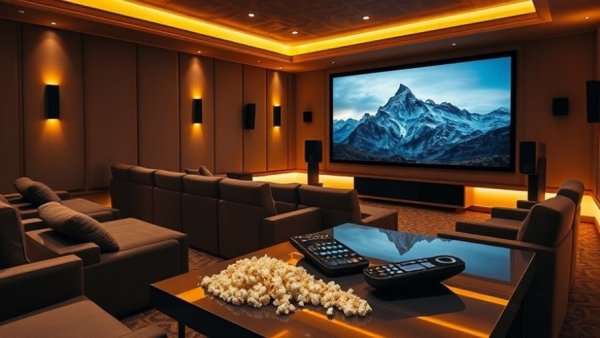
The Future of Home Entertainment: Integrating Technology for Optimal Experience
Designing a smart home cinema transcends the mere mounting of a large screen and the installation of a sound system. In today’s tech-savvy world, a smart home cinema serves as the heart of home entertainment, integrating picture, sound, lighting, and control into a cohesive system. This requires careful planning that includes evaluating room dimensions, day-to-day viewing habits, and a realistic equipment budget. Starting with a well-thought-out floor plan enables homeowners to create an entertainment hub that not only runs flawlessly but also remains easy to upgrade in the future. By understanding your specific needs, you can tailor your setup to not only meet entertainment demands but also enhance overall home value.
Choosing the Right Display for Your Needs
Before selecting a display, consider vital factors such as viewing distance and ambient light. For instance, in a dark room, a projector can deliver a cinematic experience with expansive visuals, whereas a bright television might be more appropriate for a versatile living space. It's important that the center of the screen aligns closely with the seated eye level—this ensures an optimal field of view that helps avoid pixel visibility. Choosing the right screen size enhances the immersive experience, helping viewers feel closer to the action on screen.
Furthermore, planning for the receiver and speaker placement simultaneously allows for a seamless home theater setup, making room for installation factors before the equipment arrives. Toolkits and resources are available that guide homeowners through this design phase, ensuring they don't miss important measurements or compatibility issues. Having a clear visualization of how these components will interact matters greatly when creating a unified system.
The Sound of Silence: Acoustic Treatments that Matter
One key factor that is often overlooked in home cinema design is the acoustics of the room. Poorly treated spaces can distort sound and compromise the overall viewing experience. Start with soft furnishings like a thick rug, comfortable fabric seating, and lined curtains to absorb sound effectively. These basic additions can significantly improve the audio experience without causing an overwhelming visual clutter. In fact, understanding the 'first reflection points' in your room can allow you to optimize how sound travels through the space.
Adding purpose-built absorption panels at first-reflection points can enhance sound quality without over-cluttering your space. The central speaker should be positioned near the screen and angled towards ear height, while the surround sound speakers should have clear pathways to ensure balanced sound for all listeners. Homeowners can use the room correction features of their receivers to optimize speaker configuration based on the unique attributes of their space, promoting an overall richer audio experience. Additionally, considering the materials used in the room—such as wall textures and floor types—can also influence sound clarity.
Crafting the Right Atmosphere: Environmental Controls
The ambiance of a home cinema can drastically affect a viewer's experience. Smart environmental controls allow for setting the ideal scene with just one command. For example, pressing a “Movie” button could trigger motorized shades to lower, adjust wall lights to a soft glow, and engage the appropriate receiver input. Such automation brings convenience and sophistication to the viewing experience while keeping manual controls accessible. This ensures that basic functions like lighting and temperature can still be controlled, even if the smart hub is offline. It's crucial to remember that technology should enhance, not complicate, the user experience.
Dimmable lighting behind seats adds an elegant touch while preventing reflections on the screen—yet another consideration that enhances the cinematic atmosphere. The role of lighting is paramount; using warm, dimmable light sources not only emphasizes the film but can also be adjusted based on viewer preferences and time of day.
Streamlining Device Coordination: The Role of Smart Hubs
At the core of any smart home cinema system, the AV processor or receiver operates as the command center for audio and video switching, which needs to be complemented by a smart hub that coordinates all actions throughout the home. It's vital to confirm that both systems work seamlessly with shared control methods, such as internet protocol commands and infrared control, to ensure reliable operation. This coordination simplifies everyday use—no one wants to juggle multiple remotes or apps for a single movie night.
By building simple routines around typical usage, like a “Watch TV” command that powers on various devices and adjusts the volume, the entire system can function more intuitively. Such automation not only enhances entertainment but also lends a degree of sophistication to everyday life, making technology feel like a seamless part of your home.
Staying Updated: Why Integration is Key
The concept of simplicity can guide all steps in creating a smart home cinema. Integration not only encompasses the technical aspects; it also involves understanding the changing landscape of technology itself. For instance, advancements in automation and smart technology are constantly evolving, and homeowners should remain alert to updates and trends that will enhance their setups. Regularly upgrading components not only keeps systems running smoothly but also future-proofs investments against quick technology changes. Engaging with tech communities or following industry trends can help homeowners stay ahead.
Moreover, keeping an eye on software updates for your smart devices can lead to better performance and security enhancements. By maintaining your investment intelligently, you can ensure that your smart home cinema remains at the cutting edge of technology.
Conclusion: Create Your Smart Home Cinema Experience
Designing a comprehensive smart home cinema requires thoughtful planning and consideration of various elements—from display choice to environmental controls and sound quality. Each component plays a crucial role in shaping an optimal viewing experience that can impress family and friends alike. Take the time to invest in quality materials and the latest technologies, and enjoy your shared moments in an immersive, expertly designed space that meets all your entertainment needs. Remember, your home cinema should be a place of relaxation, joy, and memorable experiences for years to come. With the right approach, you can create an entertainment oasis that is both functional and enjoyable.





Write A Comment