Add Row
Add Element
HOME SERVICE HUB
Add Element
  • Home
  • Categories
    • Smart Home Solutions
    • Gardening
    • Landscaping
    • Home Exterior
    • Outdoor Living
    • Smart Homes
    • Lawncare
    • Lighting Solutions
    • Plumbing Tips
  • Featured Business Profiles
February 24.2025
3 Minutes Read

Why You Should Choose Japanese Stewartia for Your Garden

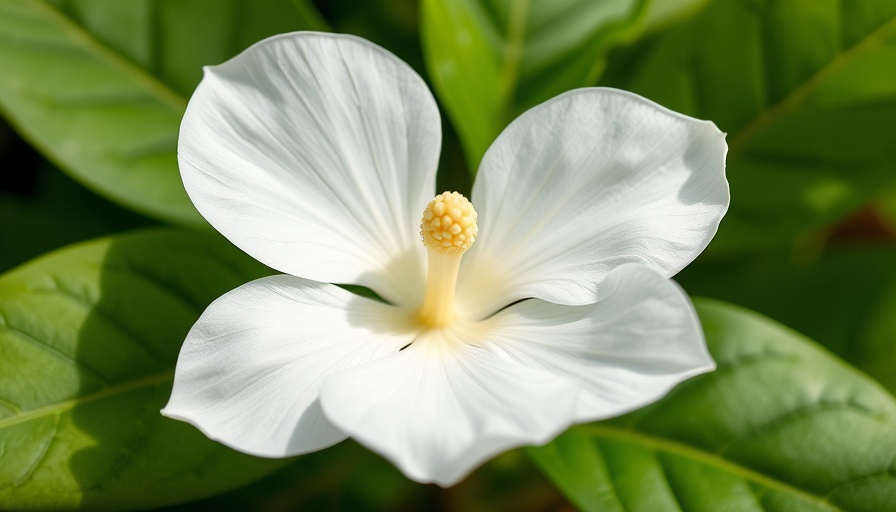
Japanese Stewartia flower blooming vividly in natural garden setting.

Discover the Garden Jewel: Japanese Stewartia

When it comes to transforming your garden into a year-round showcase, few trees rival the allure of the Japanese Stewartia (Stewartia pseudocamellia). This deciduous treasure is not just another ornamental; it’s a multifaceted spectacle that enchants in spring with its vibrant leaves, dazzles in summer with stunning white blooms, and captivates in autumn with a vibrant palette. As winter approaches, the tree's fascinating peeling bark becomes a focal point, embracing the chilly months with character and charm.

Unveiling the Unique Traits

The Japanese Stewartia is a medium-sized, long-lived tree that flourishes in temperate climates. Its genetic connection to the Camellia family is apparent in the tree's showy flowers that emerge in early to mid-summer. The white blooms, adorned with striking orange stamens, not only attract garden enthusiasts but also bees, adding to the biodiversity of your outdoor space. As autumn rolls in, its leaves transform into vibrant shades of burgundy, amber, and orange, making it a stunning feature as they fall and reveal the beautifully textured bark underneath.

Your Seasonal Companion

This tree is as practical as it is beautiful. Hardy in USDA Zones 5a to 8b, Japanese Stewartia can withstand low temperatures down to -15°F, making it a versatile choice for various regions from coastal Maine to Central Texas. Depending on the growing conditions, this tree can reach heights of 12 to 40 feet, featuring a pyramidal to oval shape that provides ample shade without overwhelming your garden space.

The Perfect Growth Conditions

Choosing the right site for your Japanese Stewartia is crucial for its thriving journey. Generally found in the damp, shaded areas of its native Japanese mountains, this tree prefers well-drained sandy loams enriched in humus, with a slightly acidic pH ranging from 4.5 to 6.5. Drought intolerant, it seeks out moisture, making garden plots that mimic its native habitat ideal for growth.

The Benefits of Japanese Stewartia for Your Garden

Notably, the Japanese Stewartia offers numerous advantages:

  • Aesthetic Beauty: Its vibrant flowers and stunning fall foliage elevate any garden décor year-round.
  • Low Maintenance: Once established, this tree requires minimal care, making it a hassle-free addition for garden enthusiasts of all levels.
  • Biodiversity Support: Attracting various pollinators adds ecological value to your garden, fostering a lively environment.

Integrating Stewartia into Your Landscape

When aesthetically planning your outdoor spaces, consider the Japanese Stewartia as a focal point within garden layouts, or as a companion to other plants that thrive in similar conditions. Its gentle beauty naturally complements more vibrant surroundings or can stand alone as a mature specimen that commands attention amid a suburban backdrop.

Don't Just Take Our Word for It

Martha Stewart herself endorses the Japanese Stewartia as an essential tree for any well-rounded garden. In her words, it provides striking visuals, low care requirements, and transforms beautifully across seasons, making it a sensational asset to any outdoor space.

Conclusion: Add the Japanese Stewartia to Your Garden

If you’re looking to enhance your garden with a tree that offers beauty across all seasons while supporting local wildlife, the Japanese Stewartia is an ideal choice. Its range of features makes it a cherished element for anyone looking to create a serene and picturesque landscape.

Don't wait! Plan your next garden project with the Japanese Stewartia and bring life to your home’s exterior. Embrace the elegance of this tree and watch your outdoor sanctuary flourish.

Landscaping

14 Views

0 Comments

Write A Comment

*
*
Related Posts All Posts
12.11.2025

Transform Your Garden with Ninebark: The Ultimate Shrub for Beauty and Wildlife

Update Why Choose Ninebark for Your Garden? If you're on the lookout for a fast-growing shrub that promises beauty and wildlife appeal, then the Common Ninebark, or Physocarpus opulifolius, should top your list. This native plant not only offers visually captivating foliage but also supports local ecosystems by attracting pollinators like bees and providing food for birds. With varieties such as the dazzling Tiny Wine with its rich maroon leaves, and the more robust Common Ninebark, you can select the perfect fit for your landscaping needs. The plant's unique exfoliating bark, which peels away in layers as it matures, adds an incredible texture throughout winter, making Ninebark a four-season showstopper that’s invigorating to behold. Ninebark: The Garden All-Rounder One of Ninebark's standout features is its impressive adaptability. This shrub thrives in a variety of soils—from sandy to loamy to clay—making it suitable for a multitude of garden conditions. Whether your yard experiences full sun or partial shade, Ninebark can flourish with minimal fuss. For homeowners worried about space, many cultivars exist in varying sizes. For instance, the dwarf ‘Tiny Wine’ is perfect for smaller gardens, growing to a manageable 36-60 inches, while the standard variety can reach up to 10 feet tall. Whichever you choose, ensure you plant it with enough room to spread its beautiful branches! Year-Round Interest Awaits Planting Ninebark guarantees an exciting visual treat throughout the year. In early spring, you can expect clusters of white or pink flowers that bloom and attract a flurry of pollinators, followed by lush green leaves in summer. By fall, these blossoms transform into seed clusters, providing sustenance for songbirds during winter months. And as the frost sets in, Ninebark showcases its signature bark, which glows against the snow, keeping your garden beautifully animated even in the harshest weather. Easy Care for Tree-Lovers Caring for Ninebark couldn’t be simpler. Once established, these plants are drought-tolerant—an added bonus for those in drier regions. And for those interested in container gardening, younger Ninebarks can thrive in pots, making them a charming addition to patios or spacious porches. As a bonus, these shrubs are resistant to deer and rabbits, meaning your beautiful plants are less likely to become a feast for local wildlife. Pruning and Growth Tips Pruning Ninebark after it flowers, typically in mid-August, ensures the shrub retains a healthy structure and airflow around its branches. Keep in mind that these shrubs bloom on old wood, so limit your pruning to maintain the shape and ensure your Ninebark remains the garden's flourishing centerpiece. For those eager to propagate Ninebark, hardwood cuttings taken in late fall or early winter can yield new plants that root by the next growing season, spreading the beauty of this magnificent shrub. Conclusion: A Shrub Worth Growing In conclusion, planting a Ninebark is a decision that will bring multiple benefits to your garden, not just in aesthetics but also in providing essential support to local wildlife. If you're looking to enhance your yard with a resilient, beautiful shrub that offers colorful interest and wildlife support throughout all seasons, consider adding Ninebark to your landscape. Happy planting!

Terms of Service

Privacy Policy

Core Modal Title

Sorry, no results found

You Might Find These Articles Interesting

T
Please Check Your Email
We Will Be Following Up Shortly
*
*
*