
Add Row
Add Element
HOME SERVICE HUB
Add Element
  • Home
  • Categories
    • Smart Home Solutions
    • Gardening
    • Landscaping
    • Home Exterior
    • Outdoor Living
    • Smart Homes
    • Lawncare
    • Lighting Solutions
    • Plumbing Tips
  • Featured Business Profiles
March 25.2025
3 Minutes Read

Learn How to Fix a Leaky Two-Handle Shower Faucet Easily!

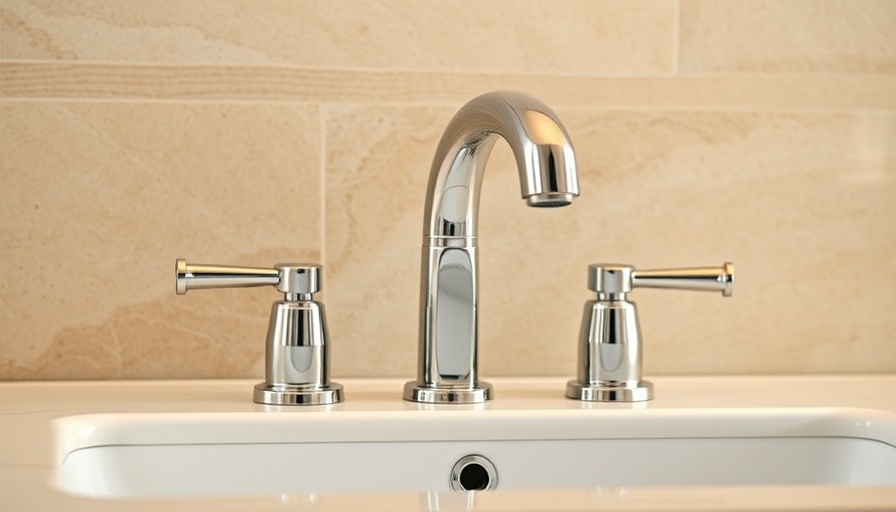
Sleek chrome faucet with two handles in elegant bathroom lighting.

Why Fixing a Leaky Two-Handle Shower Faucet Matters

A leaky shower faucet isn't merely a minor inconvenience; statistically, it can waste over 3,000 gallons of water annually, significantly affecting both your utility bills and the environment. Beyond financial savings, understanding and fixing your plumbing issues contributes to sustainability by conserving a precious resource—water. A focus on DIY repairs is not only economically wise but also empowers homeowners with practical skills.

Identifying the Source of the Leak

Before diving into repairs, it's essential to identify precisely where the leak is coming from. Begin with a thorough visual inspection around the handles and spout for any signs of water pooling or dampness. Take photographs to keep track of your observations. Performing a running water test by turning on each handle separately can further pinpoint whether the leak is stemming from the hot or cold water side.

Understanding Your Faucet Type: A Foundation for Repair

Two-handle shower faucets are commonly categorized into three types: compression, ball, and cartridge faucets. Knowing the specific type you are working with is crucial for selecting the right replacement parts and ensuring a successful repair. Most faucets feature identifying brand labels or unique design characteristics that can assist in this determination.

Essential Tools and Materials for the Job

Equipping yourself with the right tools can make the repair process smoother. Basic essentials include:

  • Screwdrivers: Both flathead and Phillips for various screws.
  • Pliers: Ideal for gripping and turning components.
  • Wrenches: An adjustable wrench is useful for different nuts and bolts.
Don't forget to source the necessary replacement parts—O-rings, cartridges, or washers specific to your faucet model can be found online or at local hardware stores.

Step-by-Step Repair Process for Compression Faucets

For those dealing with compression faucets, follow this straightforward guide:

  1. Turn Off Water Supply: Begin by completely cutting off the water supply to avoid unwanted flooding.
  2. Remove Handle: Unscrew the handle screw using a screwdriver and carefully detach the handle.
  3. Extract the Stem: Use a wrench to unscrew the packing nut. Then, pull out the stem.
  4. Replace O-rings: Remove any old O-rings and replace them with new ones, ensuring a snug fit.
  5. Reassemble: Put everything back together in reverse order and check for tightness in all connections.

Troubleshooting Common Issues

During your repair, you might encounter stripped screws or broken parts. A simple trick for gaining traction on a stripped screw is to use a rubber band. If parts are beyond repair, consult your local hardware store for appropriate replacements.

Ensuring Success: Testing the Repair

After you've reassembled your faucet, restore the water supply and watch closely for any leaks when running the water. Checking for leaks after a repair ensures that all parts are securely fitted and functioning as intended.

Next Steps: Why DIY Matters

Fixing a shower faucet independently not only saves you money on plumbing costs but enhances your home repair skills, fostering self-sufficiency. Additionally, by reducing excessive water waste, you contribute to more sustainable water usage—a choice that benefits both your household and the environment.

Looking Ahead: Empowering Homeowners Through Knowledge

Every DIY repair completed is a step towards becoming a more knowledgeable homeowner. Keep exploring plumbing tips and enhancing your repair skills to tackle future home maintenance tasks with confidence.

Plumbing Tips

7 Views

0 Comments

Write A Comment

*
*
Related Posts All Posts
02.24.2026

Four Key Questions to Ask Before Choosing a Pipe Inspection Camera

Update Understanding the Importance of Pipe Inspection Cameras Investing in a pipe inspection camera can significantly enhance plumbing maintenance for homeowners looking to upgrade their plumbing fixtures. Whether it’s for regular maintenance or diagnosing serious issues, these specialized tools enable users to visualize the insides of pipes, minimizing the guesswork often associated with plumbing problems. Four Essential Questions to Guide Your Purchase Choosing the right pipe inspection camera is crucial for effective plumbing diagnostics. Here are four key questions every homeowner should consider before making a purchase: 1. What Size Pipes Will You Inspect? The dimensions of your plumbing system will dictate the type of inspection camera you need. Cameras typically come with push rod systems suited for 1½ to 12-inch pipes. It’s essential to pick a camera model that can fit comfortably through your plumbing while providing sufficient range; larger pipes may require tractor pull systems, typically used for municipal drains over 10 inches. 2. Is Built-In Recording Necessary? A built-in recording device enables you to create footage that can serve as evidence for repairs and as a tool in familiarizing your plumber with the plumbing structure. If you foresee documenting inspections often, choose a camera with internal storage like USB or SD cards. With online connectivity options, such as models from Gen-Eye, you can easily share footage with maintenance specialists directly via mobile devices. 3. Do You Need Location Tracking? Understanding where your camera head is located in the pipes is critical, especially during inspections that may underline necessary repairs. Opt for cameras equipped with locator beacons; this allows you to pinpoint the camera's depth within the plumbing system. Locating technology will notably streamline your troubleshooting journey. 4. What About Service After the Sale? Consider service quality and availability after purchase. Proper training on your camera system can greatly simplify its use and reduce repair costs—a factor to keep in mind when investing in advanced technology. Consult with companies about their customer service and support, as reputable names in the hour of need can save future headaches. The Technological Evolution of Pipe Inspection Cameras Advancements in camera technology have paved the way for high-resolution products that provide incredible clarity in visual diagnostics. Cameras equipped with flexible cables and rotating heads can now navigate complex pipe systems, facilitating effective inspections. With LED lights for visibility in dark settings, modern devices ensure that even hard-to-reach sections can be thoroughly inspected. Future Insights on Pipe Inspection Solutions As we advance into an era where technology melds tight with infrastructure, the growing implementation of pipe inspection cameras stands to improve maintenance timelines and repair costs drastically. Homeowners can benefit greatly from utilizing these tools for proactive plumbing health checks, potentially avoiding significant expenses borne from unforeseen damages. Regular inspections could become as routine as seasonal HVAC maintenance, combining efficiency with preventative care. Common Misconceptions About Pipe Inspection Cameras Many homeowners believe that whether they need a pipe inspection camera boils down to urgent issues only. In reality, these tools can serve as preventive maintenance tools, saving time and money in the long run. Homeowners should consider how regular inspections can help identify small issues before they escalate, fostering an overall healthier plumbing system. A Call to Action If you’re serious about upgrading your plumbing system not only through fixture upgrades but through proper maintenance, considering a pipe inspection camera can be an excellent investment. By asking the right questions and evaluating your needs, you can find a system that suits your home perfectly. Ensure your plumbing is in its prime—explore the latest options today!

02.21.2026

Why Proper Downspouts and Foundation Drainage Matter in PA

Update Understanding the Importance of Downspouts in Pennsylvania In the heart of Pennsylvania, where rainfall varies between 34-52 inches annually, homeowners often face significant challenges with water drainage. Managing excess rainwater efficiently is crucial to protect our homes from potential damage. This understanding pits functionality against nature, indicating just how much an effective drainage system matters. Identifying Warning Signs of Drainage Issues Let’s dive into the signs that indicate your drainage might be failing. One of the most common issues arises when downspouts release water too close to the foundation. Ideally, water should be directed away — approximately 6-10 feet. When not, hydrostatic pressure builds, which can lead to a litany of problems such as wall cracking, soil erosion, and mold growth. Homeowners might consider investing in downspout extensions to alleviate minor drainage concerns unobtrusively. Understanding the Role of Underground Drain Lines Underground drainage lines play a pivotal role but can become clogged with debris or even collapse. If a storm leaves you with standing water around your downspout, that’s a glaring warning sign. That lingering water not only threatens your foundation but can also attract pests, which is an issue you definitely don’t want. Calling in a trusted plumber at such signs is not just advisable, it’s essential to preserve the structural integrity of your home. The Challenges of Negative Grading Over time, it's natural for soil to settle and shift, causing negative grading near your home’s foundations. Unfortunately, this shift can lead to water pooling in your basement, particularly for older Pennsylvania homes that weren't built with the necessary drainage systems. Remember, a compromised drainage system doesn’t just impact your property; it can overflow and affect your neighbors, spiraling into a community problem. The Benefits of a Robust Drainage System Our focus shouldn't just be on recognizing failure points but also on bolstering our drainage systems. Implementing underground discharge lines can significantly enhance water movement away from your home, but do note that it typically requires excavation. Alternatively, consider French drains — designed to intercept water before it reaches the foundation, particularly useful for properties facing uphill runoff. Finally, catch basins can redirect surface water from low points into an underground system, further safeguarding your home. Making Immediate Changes for Long-term Results Investing in effective drainage solutions isn't merely a matter of aesthetics but one of necessity. Take proactive steps to research your property’s drainage history and explore options suited to your unique layout. Family homes, especially those nestled within sloped neighborhoods, should prioritize ongoing maintenance and inspection to stave off any future challenges. Final Thoughts on Downspout and Foundation Drainage In the end, understanding your home’s drainage system isn’t just about maintenance—it's about securing your community. Make the right call when you notice signs of drainage issues, because ultimately, a small investment in prevention today can save you a lot of money tomorrow. If you have doubts about your system or are wondering about the necessary upgrades, it’s time to reach out. For many homeowners in Pennsylvania dealing with rain-related challenges, proactive measures can prevent substantial damage and protect your sanctuary. Don't wait for a heavy downpour to uncover your drainage problems! Make the call to ensure your home remains the fortress it should be.

02.20.2026

Discover the Midea Packaged Terminal Heat Pump: Energy Efficiency and Comfort

Update Revolutionizing Comfort: The Midea Packaged Terminal Heat Pump Midea's latest innovation, the Packaged Terminal Heat Pump (PTHP), is set to transform individual climate control in settings like hotels and multifamily residential units. Designed with performance versatility, this all-climate system confidently operates in both the most frigid and the hottest conditions. It provides a full 100% heating functionality at temperatures as low as 5°F, while cooling effectively at temperatures up to 115°F. This adaptability makes it ideal for varied geographical applications. Energy Efficiency at Its Core One of the standout features of the Midea PTHP is its remarkable efficiency, which allows property owners to cut energy consumption by up to 75%. This significant reduction is not only environmentally friendly but also offers impressive long-term savings, making it an attractive investment for property owners looking to enhance the value of their units without extensive renovations. Innovative Design for Optimal Performance Equipped with a self-heated condensate misting design, the Midea PTHP prevents ice buildup, ensuring that the unit functions smoothly even in extreme weather conditions. The system operates at a whisper-quiet level, measured at only 30 dB(A) and with a Sound Transmission Class (STC) rating of 31. This low noise output enhances the comfort of residents, crucial in hotel and hospitality environments where guest satisfaction is paramount. Smart Features for Modern Living The PTHP offers advanced intelligence through its integrated controls and a fresh air system that delivers 60 CFM (Cubic Feet per Minute) of air, equipped with MERV 13 filtration. This not only boosts indoor air quality but also provides a sustainable airflow solution, creating a cozy environment that integrates seamlessly with modern living expectations. Easy Installation and Maintenance Another advantage of the Midea PTHP is its design for ease of installation and maintenance. With convenient front access and a rotating PCB (Printed Circuit Board), the unit allows for quick repairs or parts replacements without the hassle of removing it from its sleeve. This user-friendly design is essential for both contractors and property managers who prioritize efficiency and minimal downtime. Why Homeowners Should Consider Upgrading For homeowners contemplating an upgrade to their plumbing and heating systems, the PTHP presents an ideal option. Its high efficiency, combined with its innovative heating and cooling capabilities, not only enhances indoor comfort but also contributes significantly to long-term energy savings. The prospect of reduced energy bills and increased property value makes the investment in Midea's heat pump a wise decision. Take Action: Invest in Your Comfort With the array of benefits that the Midea Packaged Terminal Heat Pump offers, it's clear that embracing this technology can lead to a more sustainable and comfortable living space. Homeowners and property managers alike should consider making the switch to the Midea PTHP for an effective heating and cooling solution that meets modern demands. For more information or to become a distributor, call Midea at 1-888-MIDEA-NA (1-888-643-3262).

Terms of Service

Privacy Policy

Core Modal Title

Sorry, no results found

You Might Find These Articles Interesting

T
Please Check Your Email
We Will Be Following Up Shortly
*
*
*