
cropper
update
HOME SERVICE HUB
cropper
update

Home Improvement, HVAC & Local Service Guides

  • Home
  • Categories
    • Smart Home Solutions
    • Gardening
    • Landscaping
    • Home Exterior
    • Outdoor Living
    • Smart Homes
    • Lawncare
    • Lighting Solutions
    • Plumbing Tips
    • HVAC
  • Featured Business Profiles
February 07.2025
3 Minutes Read

Mastering Pre-Emergent Herbicides: Timing, Tips, and Techniques for a Lush Lawn

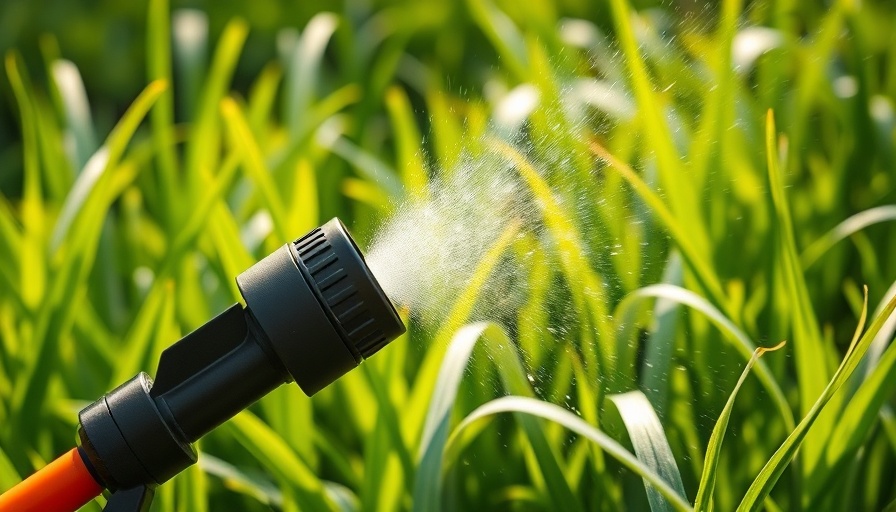
Pre-emergent herbicide spraying on green grass in garden.

Understanding Pre-Emergent Herbicides: A Gardener's Ally

As spring approaches, many homeowners and gardening enthusiasts are keen to keep their lawns pristine and free from pesky weeds. This is where pre-emergent herbicides come into play. These specialized products target weeds before they break through the soil, essentially intercepting their growth cycle right at the start. These herbicides inhibit the establishment of weed roots, making them a proactive tool for maintaining a healthy lawn.

Timing is Everything: The Spring Application Window

Optimal timing for applying pre-emergent herbicides hinges on soil temperature, not air temperature. Expert Dr. Rebecca Grubbs-Bowling emphasizes that soil temperatures should range between 50-55 degrees Fahrenheit in spring. This specific temperature range signals the germination of dormant weed seeds, especially summer annuals. If the soil is too cold, the herbicide won't be as effective, and if applied too late, it may miss its target completely.

To avoid common pitfalls, homeowners can monitor soil temperatures through local extension services or by using inexpensive soil temperature gauges. The ideal window for application varies by geographical location:

  • In South Florida, early February is your go-to time.
  • For central Missouri, aim for mid-March to mid-April.
  • Wisconsin residents should apply in April.

The Fall Application Strategy: Preparing for Winter

Just as spring applications are crucial, so are fall applications for preventing winter annual weeds. Targeting winter germinating varieties such as Henbit or Poa Annua means applying pre-emergent herbicides when soil temperatures begin to fall to around 70 degrees. This late-season approach ensures that weeds are tackled before they can establish roots and thrive during the cold months.

Granular vs. Liquid: Which Pre-Emergent Herbicide Should You Choose?

Pre-emergent herbicides come in various formulations, primarily granular and liquid. Granular herbicides tend to be user-friendly and require less precision in application, making them ideal for larger lawns. Conversely, liquid herbicides allow for more targeted treatment and can easily penetrate the soil surface, providing swift action against weeds. Choosing between them often depends on personal preference, lawn size, and weed types present.

Common Weeds to Target

Pre-emergent herbicides are particularly effective against annual weeds. Homeowners should familiarize themselves with common culprits:

  • Crabgrass: A fast-spreading grassy weed that can quickly take over your lawn.
  • Dandelions: Recognizable by their bright yellow flowers, they transform into puffy seed balls, easily dispersing their seeds.
  • Poa Annua: Known for its resilience, this winter annual can be tough to manage without pre-emptive measures.

Building a Healthier Lawn: The Long-Term Benefits of Pre-Emergent Application

Utilizing pre-emergent herbicides is not merely about keeping weeds at bay; it’s an investment into the longevity and health of your lawn. By preventing weed growth, homeowners can foster a potent environment for grass to flourish. Less competition means stronger root systems, improved drought resistance, and enhanced curb appeal.

Insights from Experts: Effective Weed Management Strategies

Experts recommend that, aside from using pre-emergent herbicides, homeowners maintain a robust care routine that includes proper watering, mowing, and lawn aeration—measures that contribute to an overall healthy ecosystem. Such measures complement the use of herbicides, making your lawn a less hospitable environment for weeds.

Conclusion: Take Charge of Your Lawn Care

Incorporating pre-emergent herbicides into your lawn care regimen is a science that involves understanding timing, product choice, and local conditions. By adopting these techniques, you position yourself ahead of potential weed invasions, ensuring a vibrant and healthy lawn throughout the seasons.

Lawncare

19 Views

0 Comments

Write A Comment

*
*
Please complete the captcha to submit your comment.
Related Posts All Posts
10.12.2026

When Should You Stop Mowing the Lawn Before Winter? A Complete Guide

Update Understanding When to Stop Mowing: A Critical Lawn Care Decision As the chill of fall arrives, many homeowners turn their attention to the care of their lawns. Stopping mowing at the right time is crucial to maintaining a healthy lawn throughout winter. The key to an optimal last mow hinges primarily on two factors: temperature and the growth pattern of your grass. This is critical not only for the long-term health of your lawn but also for ensuring a vibrant resurgence in the spring. Temperature and Growth: The Definitive Stop Signs The type of grass in your lawn significantly influences when to stop mowing. Generally, cool-season grasses, prevalent in northern regions, begin to slow their growth when temperatures dip below 50 degrees Fahrenheit. These include popular types such as Kentucky bluegrass and fescue. Conversely, warm-season grasses thrive in southern climates and typically cease growing below 60 degrees, with species like Bermudagrass and St. Augustinegrass commonly found in these areas. As fall transitions into winter, it’s essential to monitor both the meteorological conditions and the state of your grass. Look for changes in grass height; if you find that it is still growing, continue mowing as needed. Experts recommend your final mow should happen at least one week before the first anticipated frost. This proactive measure can prevent several common winter lawn problems. Consequences of Skipping the Final Mow Failing to mow your lawn before the frost can lead to a myriad of issues come spring. Long grass can create an environment conducive to fungal diseases, such as snow mold, which flourishes under a blanket of snow. This condition, often manifesting in the form of bleached, circular patches, can devastate your lawn by the time winter ends. Not only does snow mold spoil the aesthetic appeal of your lawn, but it can also compromise grass health, leading to bare patches that require substantial recovery effort when warmer weather returns. Additionally, overgrown grass provides shelter for pests, such as voles. These small rodents can thrive in high grass, leading to significant damage beneath the snow. With populations that can swell to hundreds per acre, their tunneling creates scars on your lawn that won’t become evident until the spring thaw. Repairing the damages caused by voles can be time-consuming and may require reseeding efforts, further illustrating the importance of timely mowing. Regional Influences: Tailoring Your Lawn Care Routine It's also important to note that geographical differences can directly affect the timing and methods of lawn care. Different regions have distinct mowing timelines due to temperature variations and regional plant types. For example, residents in northern states should anticipate wrapping up their mowing by late October to early November. In contrast, homeowners in the warm, mild zones like the Gulf Coast may not stop until late November or even early December, allowing for short dormancy periods when conditions remain favorable. As a rule of thumb, the transition zone—which includes areas that contain both cool and warm-season grasses—sees a more complex mowing timeline stretching from late October to mid-November. Recognizing these regional differences enables homeowners to tailor their lawn care routines effectively, ensuring they’re set up for success regardless of their location. Expert Tips for Preparing Your Lawn for Winter Besides timing your last mow, ensuring your lawn is cut to the appropriate height is essential for healthy growth. Grass should generally be trimmed to a height of about 2.5 to 3 inches for winter. This height helps mitigate the risk of matting and fungal diseases, ensuring your lawn can survive the cold months ahead. Shorter grass may expose roots to harsher frost conditions, while excessively tall grass is more susceptible to the issues discussed previously. As part of your fall lawn care routine, consider aerating, fertilizing, and overseeding. Aerating alleviates soil compaction, resulting in better water and nutrient absorption for the roots. Fertilizing before winter ensures your lawn has the necessary nutrients to remain healthy during dormancy, while overseeding can improve grass density and resilience. Engaging in these practices will equip your lawn to rebound successfully when spring arrives. For those unfamiliar with these practices, consulting with local lawn care professionals can provide valuable insights and assistance. FAQs: Your Lawn Care Questions Answered 1. What is the ideal height for mowing before winter? For most grasses, a final cut height of about 2.5 to 3 inches is recommended, ensuring protection against frost and disease. 2. When should I start monitoring for frost? Keep an eye on local weather forecasts, typically starting from late September through October, to anticipate expected frost dates. This preparation ensures that you can adjust your lawn care accordingly. 3. Can I mow during a light frost? It is advisable to avoid mowing during frost, as the grass will be brittle, which can result in damage and unsatisfactory cuts. Plan Ahead for a Lush Lawn Next Spring With a little foresight and preparation, you can ensure your lawn remains in optimal health through winter. Monitoring temperatures, cutting to the right height, and completing necessary fall care tasks will create a healthier environment for your grass to thrive when warmer weather returns. By establishing a proactive lawn care routine, you’ll not only preserve the beauty of your landscape but also set the stage for a vibrant, lush lawn come springtime.

10.03.2026

Essential Tips on Winterizing Your Sprinkler System Before the Freeze

Learn how to winterize your sprinkler system effectively to avoid costly damages during freeze periods. Follow these essential tips for proper irrigation maintenance.

09.30.2026

Conquer Fall Lawn Care Challenges in Buffalo With These Essential Tips

Update Essential Fall Lawn Care Tips for Buffalo's Unique Climate As the vibrant colors of fall set in Buffalo, NY, it’s vital for homeowners to keep their lawns in top shape before the winter chill arrives. Unlike many regions, Buffalo’s early frost often requires an expedited lawn care routine, making this a crucial period for lawn maintenance. Catching the ideal window in the fall can mean the difference between a healthy lawn come spring and a struggling one, especially given the unpredictable nature of Buffalo’s weather influenced by the Great Lakes. 1. Seed Before the Frost Timing is crucial when it comes to seeding your lawn. The ideal window for planting grass seed in Buffalo runs from mid-August to mid-October. This timeframe is essential to avoid frost damage and ensure your new seedlings can establish a strong root system before winter. For those looking to overseed or entirely replace their current lawn, choose cold-tolerant varieties like tall fescue, fine fescue, or perennial ryegrass, which thrive in cooler conditions. When you seed, it’s best to keep the soil moist but not soggy; watering every few days can help as the seedlings establish. 2. Master the Art of Leaf Management During fall, fallen leaves can add beauty but also present challenges for your lawn. While decomposing leaves can provide valuable nutrients, they should be managed properly to prevent issues. You have two options: mulch leaves into the lawn using a mulching mower, which can add important phosphorus to the soil, or remove them completely to avoid runoff issues. If you opt for mulching, ensure that clumps do not form, as this can choke the grass underneath and prevent sunlight and nutrients from reaching it. Regularly check for heavy leaf fall and try to mulch or manage leaves promptly, particularly after storms. 3. Strategically Fertilize Fertilizing in the early fall is key to establishing strong roots that can withstand the winter months. Aim to apply 1 pound of nitrogen per 1,000 square feet around Labor Day. Consider using a slow-release fertilizer, which can gradually feed your grass and promote deeper root growth. However, be mindful to stop fertilization as the growth rate of cool-season grasses begins to decline with colder temperatures. Completing this process before the first frost will support healthy growth into the spring, ensuring that your lawn bounces back quickly when temperatures rise again. 4. Adjust Your Mowing Routine One of the simplest yet often ignored aspects of fall lawn care is mowing. Allow your grass to grow taller, as this helps protect the roots from frost damage. Aim to mow every one to two weeks, keeping your grass at the higher end of its optimal height. This approach not only helps your lawn stay healthy during the colder months but also prepares it to bounce back vigorously in the spring. Additionally, consider mowing with a sharp blade to avoid tearing the grass, which can lead to disease. 5. Explore Shade-Tolerant Ground Covers If parts of your lawn are persistently shaded, consider planting ground covers that thrive in these conditions. Options like creeping thyme, or certain types of fescue can flourish under trees and other structures, adding greenery to areas where grass struggles to grow. This not only enhances your yard's visual appeal but also minimizes the effort required to maintain those tricky spots. Furthermore, ground covers can prevent soil erosion, especially in areas prone to runoff. 6. Plan for Seasonal Changes Another important consideration for fall lawn care in Buffalo is preparation for the upcoming winter. Invest in some protective measures for your lawn. For example, if your yard has areas that receive heavy snow accumulation, consider laying down burlap or snow fencing to protect your grass from the weight of snow. This will allow light to reach the grass and reduce the chances of snow mold developing once the thaw begins in spring. Why Fall Lawn Care Matters Beyond aesthetics, maintaining your lawn during the fall has long-term benefits, including better soil health, increased curb appeal, and lower maintenance costs. A well-loved lawn is valued not just for its beauty but also for providing a healthy outdoor space for family and community activities. Good fall lawn care sets in motion a cycle of healthy growth and reduces the likelihood of diseases caused by winter moisture and temperature fluctuations. Take Charge of Your Lawn’s Future Implementing these fall lawn care tips is essential for every Buffalo homeowner who wishes to cultivate a resilient and beautiful lawn. As the seasons change, investing time in proper lawn care will pay off manifold with a lush landscape when spring arrives. Start planning and executing your lawn care tasks now for a healthier lawn tomorrow. From providing a welcoming space for outdoor gatherings to improving air quality in your neighborhood, the benefits of a well-maintained lawn are truly invaluable.

cropper
update
HOME SERVICE HUB
cropper
update

Homeowners seeking trusted advice and resources for maintaining and improving their properties

  • update
  • update
  • update
  • update
  • update
  • update
  • update

COMPANY

  • Privacy Policy
  • Terms of Use
  • Advertise
  • Contact Us
  • Menu 5
  • Menu 6

(949) 375-3833

AVAILABLE FROM 8AM - 5PM

Huntington Beach, CA

18685 Main Street 101-228
Huntington Beach, CA 92649

ABOUT US

Home Service Hub is a subsidiary of High Octane Digital Group.

© 2026 Home Service Hub All Rights Reserved. 18685 Main Street 101-228, Huntington Beach, California 92649 . Contact Us . Terms of Service . Privacy Policy

eyJjb21wYW55IjoiSG9tZSBTZXJ2aWNlIEh1YiIsImFkZHJlc3MiOiIxODY4NSBNYWluIFN0cmVldCAxMDEtMjI4IiwiY2l0eSI6Ikh1bnRpbmd0b24gQmVhY2giLCJzdGF0ZSI6IkNhbGlmb3JuaWEiLCJ6aXAiOiI5MjY0OSIsImVtYWlsIjoicmlja0BoaWdob2N0YW5lbG9jYWwuY29tIiwidG9zIjoiUEhBK1BITjBjbTl1Wno0OFpXMCtWMmhsYmlCNWIzVWdjMmxuYmkxcGJpQjNhWFJvSUhWekxDQjViM1VnWVhKbElHZHBkbWx1WnladVluTndPeUI1YjNWeUlIQmxjbTFwYzNOcGIyNGdZVzVrSUdOdmJuTmxiblFnZEc4Z2MyVnVaQ0I1YjNVZ1pXMWhhV3dnWVc1a0wyOXlJRk5OVXlCMFpYaDBJRzFsYzNOaFoyVnpMaUJDZVNCamFHVmphMmx1WnlCMGFHVWdWR1Z5YlhNZ1lXNWtJRU52Ym1ScGRHbHZibk1nWW05NElHRnVaQ0JpZVNCemFXZHVhVzVuSUdsdUlIbHZkU0JoZFhSdmJXRjBhV05oYkd4NUlHTnZibVpwY20wZ2RHaGhkQ0I1YjNVZ1lXTmpaWEIwSUdGc2JDQjBaWEp0Y3lCcGJpQjBhR2x6SUdGbmNtVmxiV1Z1ZEM0OEwyVnRQand2YzNSeWIyNW5Qand2Y0Q0S0NqeHdQanhoSUdoeVpXWTlJbWgwZEhBNkx5OTNkM2N1WjI5dloyeGxMbU52YlNJK2FIUjBjRG92TDNkM2R5NW5iMjluYkdVdVkyOXRQQzloUGp3dmNENEtDanh3UGladVluTndPend2Y0Q0S0NqeHdQanh6ZEhKdmJtYytVMFZTVmtsRFJUd3ZjM1J5YjI1blBqd3ZjRDRLQ2p4d1BsZGxJSEJ5YjNacFpHVWdZU0J6WlhKMmFXTmxJSFJvWVhRZ1kzVnljbVZ1ZEd4NUlHRnNiRzkzY3lCNWIzVWdkRzhnY21WalpXbDJaU0J5WlhGMVpYTjBjeUJtYjNJZ1ptVmxaR0poWTJzc0lHTnZiWEJoYm5rZ2FXNW1iM0p0WVhScGIyNHNJSEJ5YjIxdmRHbHZibUZzSUdsdVptOXliV0YwYVc5dUxDQmpiMjF3WVc1NUlHRnNaWEowY3l3Z1kyOTFjRzl1Y3l3Z1pHbHpZMjkxYm5SeklHRnVaQ0J2ZEdobGNpQnViM1JwWm1sallYUnBiMjV6SUhSdklIbHZkWElnWlcxaGFXd2dZV1JrY21WemN5QmhibVF2YjNJZ1kyVnNiSFZzWVhJZ2NHaHZibVVnYjNJZ1pHVjJhV05sTGlCWmIzVWdkVzVrWlhKemRHRnVaQ0JoYm1RZ1lXZHlaV1VnZEdoaGRDQjBhR1VnVTJWeWRtbGpaU0JwY3lCd2NtOTJhV1JsWkNBbWNYVnZkRHRCVXkxSlV5WnhkVzkwT3lCaGJtUWdkR2hoZENCM1pTQmhjM04xYldVZ2JtOGdjbVZ6Y0c5dWMybGlhV3hwZEhrZ1ptOXlJSFJvWlNCMGFXMWxiR2x1WlhOekxDQmtaV3hsZEdsdmJpd2diV2x6TFdSbGJHbDJaWEo1SUc5eUlHWmhhV3gxY21VZ2RHOGdjM1J2Y21VZ1lXNTVJSFZ6WlhJZ1kyOXRiWFZ1YVdOaGRHbHZibk1nYjNJZ2NHVnljMjl1WVd4cGVtRjBhVzl1SUhObGRIUnBibWR6TGp3dmNENEtDanh3UGxsdmRTQmhjbVVnY21WemNHOXVjMmxpYkdVZ1ptOXlJRzlpZEdGcGJtbHVaeUJoWTJObGMzTWdkRzhnZEdobElGTmxjblpwWTJVZ1lXNWtJSFJvWVhRZ1lXTmpaWE56SUcxaGVTQnBiblp2YkhabElIUm9hWEprSUhCaGNuUjVJR1psWlhNZ0tITjFZMmdnWVhNZ1UwMVRJSFJsZUhRZ2JXVnpjMkZuWlhNc0lFbHVkR1Z5Ym1WMElITmxjblpwWTJVZ2NISnZkbWxrWlhJZ2IzSWdZMlZzYkhWc1lYSWdZV2x5ZEdsdFpTQmphR0Z5WjJWektTNGdXVzkxSUdGeVpTQnlaWE53YjI1emFXSnNaU0JtYjNJZ2RHaHZjMlVnWm1WbGN5d2dhVzVqYkhWa2FXNW5JSFJvYjNObElHWmxaWE1nWVhOemIyTnBZWFJsWkNCM2FYUm9JSFJvWlNCa2FYTndiR0Y1SUc5eUlHUmxiR2wyWlhKNUlHOW1JR1ZoWTJnZ1UwMVRJSFJsZUhRZ2JXVnpjMkZuWlNCelpXNTBJSFJ2SUhsdmRTQmllU0IxY3k0Z1NXNGdZV1JrYVhScGIyNHNJSGx2ZFNCdGRYTjBJSEJ5YjNacFpHVWdZVzVrSUdGeVpTQnlaWE53YjI1emFXSnNaU0JtYjNJZ1lXeHNJR1Z4ZFdsd2JXVnVkQ0J1WldObGMzTmhjbmtnZEc4Z1lXTmpaWE56SUhSb1pTQlRaWEoyYVdObElHRnVaQ0J5WldObGFYWmxJSFJvWlNCVFRWTWdkR1Y0ZENCdFpYTnpZV2RsY3k0Z1YyVWdaRzhnYm05MElHTm9ZWEpuWlNCaGJua2dabVZsY3lCbWIzSWdaR1ZzYVhabGNua2diMllnWlcxaGFXd2diM0lnVTAxVExpQlVhR2x6SUdseklHRWdabkpsWlNCelpYSjJhV05sSUhCeWIzWnBaR1ZrSUdKNUlIVnpMaUJJYjNkbGRtVnlMQ0J3YkdWaGMyVWdZMmhsWTJzZ2QybDBhQ0I1YjNWeUlHbHVkR1Z5Ym1WMElITmxjblpwWTJVZ2NISnZkbWxrWlhJZ1lXNWtJR05sYkd4MWJHRnlJR05oY25KcFpYSWdabTl5SUdGdWVTQmphR0Z5WjJWeklIUm9ZWFFnYldGNUlHbHVZM1Z5SUdGeklHRWdjbVZ6ZFd4MElHWnliMjBnY21WalpXbDJhVzVuSUdWdFlXbHNJR0Z1WkNCVFRWTWdkR1Y0ZENCdFpYTnpZV2RsY3lCMGFHRjBJSGRsSUdSbGJHbDJaWElnZFhCdmJpQjViM1Z5SUc5d2RDMXBiaUJoYm1RZ2NtVm5hWE4wY21GMGFXOXVJSGRwZEdnZ2IzVnlJR1Z0WVdsc0lHRnVaQ0JUVFZNZ2MyVnlkbWxqWlhNdUlGbHZkU0JqWVc0Z1kyRnVZMlZzSUdGMElHRnVlU0IwYVcxbExpQktkWE4wSUhSbGVIUWdKbkYxYjNRN1UxUlBVQ1p4ZFc5ME95QjBieVp1WW5Od096eG9hV2RvYkdsbmFIUWdZMnhoYzNNOUltTnZiWEJoYm5sVFRWTlFhRzl1WlZWd1pHRjBaU0krYm5Wc2JEd3ZhR2xuYUd4cFoyaDBQaTRnUVdaMFpYSWdlVzkxSUhObGJtUWdkR2hsSUZOTlV5QnRaWE56WVdkbElDWnhkVzkwTzFOVVQxQW1jWFZ2ZERzZ2RHOGdkWE1zSUhkbElIZHBiR3dnYzJWdVpDQjViM1VnWVc0Z1UwMVRJRzFsYzNOaFoyVWdkRzhnWTI5dVptbHliU0IwYUdGMElIbHZkU0JvWVhabElHSmxaVzRnZFc1emRXSnpZM0pwWW1Wa0xpQkJablJsY2lCMGFHbHpMQ0I1YjNVZ2QybHNiQ0J1YnlCc2IyNW5aWElnY21WalpXbDJaU0JUVFZNZ2JXVnpjMkZuWlhNZ1puSnZiU0IxY3k0OEwzQStDZ284Y0Q0OGMzUnliMjVuUGxsUFZWSWdVa1ZIU1ZOVVVrRlVTVTlPSUU5Q1RFbEhRVlJKVDA1VFBDOXpkSEp2Ym1jK1BDOXdQZ29LUEhBK1NXNGdZMjl1YzJsa1pYSmhkR2x2YmlCdlppQjViM1Z5SUhWelpTQnZaaUIwYUdVZ1UyVnlkbWxqWlN3Z2VXOTFJR0ZuY21WbElIUnZPand2Y0Q0S0NqeHZiRDRLQ1R4c2FUNXdjbTkyYVdSbElIUnlkV1VzSUdGalkzVnlZWFJsTENCamRYSnlaVzUwSUdGdVpDQmpiMjF3YkdWMFpTQnBibVp2Y20xaGRHbHZiaUJoWW05MWRDQjViM1Z5YzJWc1ppQmhjeUJ3Y205dGNIUmxaQ0JpZVNCMGFHVWdVMlZ5ZG1salpTWWpNems3Y3lCeVpXZHBjM1J5WVhScGIyNGdabTl5YlNBb2MzVmphQ0JwYm1admNtMWhkR2x2YmlCaVpXbHVaeUIwYUdVZ0puRjFiM1E3VW1WbmFYTjBjbUYwYVc5dUlFUmhkR0VtY1hWdmREc3BJR0Z1WkR3dmJHaytDZ2s4YkdrK2JXRnBiblJoYVc0Z1lXNWtJSEJ5YjIxd2RHeDVJSFZ3WkdGMFpTQjBhR1VnVW1WbmFYTjBjbUYwYVc5dUlFUmhkR0VnZEc4Z2EyVmxjQ0JwZENCMGNuVmxMQ0JoWTJOMWNtRjBaU3dnWTNWeWNtVnVkQ0JoYm1RZ1kyOXRjR3hsZEdVdUlFbG1JSGx2ZFNCd2NtOTJhV1JsSUdGdWVTQnBibVp2Y20xaGRHbHZiaUIwYUdGMElHbHpJSFZ1ZEhKMVpTd2dhVzVoWTJOMWNtRjBaU3dnYm05MElHTjFjbkpsYm5RZ2IzSWdhVzVqYjIxd2JHVjBaU3dnYjNJZ2QyVWdhR0YyWlNCeVpXRnpiMjVoWW14bElHZHliM1Z1WkhNZ2RHOGdjM1Z6Y0dWamRDQjBhR0YwSUhOMVkyZ2dhVzVtYjNKdFlYUnBiMjRnYVhNZ2RXNTBjblZsTENCcGJtRmpZM1Z5WVhSbExDQnViM1FnWTNWeWNtVnVkQ0J2Y2lCcGJtTnZiWEJzWlhSbExDQjNaU0JvWVhabElIUm9aU0J5YVdkb2RDQjBieUJ6ZFhOd1pXNWtJRzl5SUR4emRISnZibWMrUEhOd1lXNGdjM1I1YkdVOUltTnZiRzl5T2lOR1JqQXdNREE3SWo1MFpYSnRhVzVoZEdVZ2VXOTFjaUJoWTJOdmRXNTBMM0J5YjJacGJHVWdZVzVrSUhKbFpuVnpaU0JoYm5rZ1lXNWtJR0ZzYkNCamRYSnlaVzUwSUc5eUlHWjFkSFZ5WlNCMWMyVWdiMllnZEdobElGTmxjblpwWTJVZ0tHOXlJR0Z1ZVNCd2IzSjBhVzl1SUhSb1pYSmxiMllwTGp3dmMzQmhiajQ4TDNOMGNtOXVaejQ4TDJ4cFBnbzhMMjlzUGdvS1BIQStKbTVpYzNBN1BDOXdQZ284YUdsbmFHeHBaMmgwSUdOc1lYTnpQU0pqYjIxd1lXNTVUbUZ0WlZWd1pHRjBaU0krU0c5dFpTQlRaWEoyYVdObElFaDFZand2YUdsbmFHeHBaMmgwUGp4aWNpQXZQZ284YUdsbmFHeHBaMmgwSUdOc1lYTnpQU0pqYjIxd1lXNTVRV1JrY21WemMxVndaR0YwWlNJK01UZzJPRFVnVFdGcGJpQlRkSEpsWlhRZ01UQXhMVEl5T0N3Z1NIVnVkR2x1WjNSdmJpQkNaV0ZqYUN3Z1EyRnNhV1p2Y201cFlTQTVNalkwT1R3dmFHbG5hR3hwWjJoMFBqeGljaUF2UGdvOGFHbG5hR3hwWjJoMElHTnNZWE56UFNKamIyMXdZVzU1VUdodmJtVlZjR1JoZEdVaVBpc3hPVFE1TXpjMU16Z3pNend2YUdsbmFHeHBaMmgwUGp4aWNpQXZQZ284YUdsbmFHeHBaMmgwSUdOc1lYTnpQU0pqYjIxd1lXNTVSVzFoYVd4VmNHUmhkR1VpUG5KcFkydEFhR2xuYUc5amRHRnVaV3h2WTJGc0xtTnZiVHd2YUdsbmFHeHBaMmgwUGc9PSIsInByaXZhY3kiOiJQSEErUEhOMGNtOXVaejVRVWtsV1FVTlpQQzl6ZEhKdmJtYytQQzl3UGdvS1BIQStQSE4wY205dVp6NVVhR1VnYVc1bWIzSnRZWFJwYjI0Z2NISnZkbWxrWldRZ1pIVnlhVzVuSUhSb2FYTWdjbVZuYVhOMGNtRjBhVzl1SUdseklHdGxjSFFnY0hKcGRtRjBaU0JoYm1RZ1kyOXVabWxrWlc1MGFXRnNMQ0JoYm1RZ2QybHNiQ0J1WlhabGNpQmlaU0JrYVhOMGNtbGlkWFJsWkN3Z1kyOXdhV1ZrTENCemIyeGtMQ0IwY21Ga1pXUWdiM0lnY0c5emRHVmtJR2x1SUdGdWVTQjNZWGtzSUhOb1lYQmxJRzl5SUdadmNtMHVJRlJvYVhNZ2FYTWdiM1Z5SUdkMVlYSmhiblJsWlM0OEwzTjBjbTl1Wno0OEwzQStDZ284Y0Q0OGMzUnliMjVuUGtsT1JFVk5Ua2xVV1R3dmMzUnliMjVuUGp3dmNENEtDanh3UGp4bGJUNVpiM1VnWVdkeVpXVWdkRzhnYVc1a1pXMXVhV1o1SUdGdVpDQm9iMnhrSUhWekxDQmhibVFnYVhSeklITjFZbk5wWkdsaGNtbGxjeXdnWVdabWFXeHBZWFJsY3l3Z2IyWm1hV05sY25Nc0lHRm5aVzUwY3l3Z1kyOHRZbkpoYm1SbGNuTWdiM0lnYjNSb1pYSWdjR0Z5ZEc1bGNuTXNJR0Z1WkNCbGJYQnNiM2xsWlhNc0lHaGhjbTFzWlhOeklHWnliMjBnWVc1NUlHTnNZV2x0SUc5eUlHUmxiV0Z1WkN3Z2FXNWpiSFZrYVc1bklISmxZWE52Ym1GaWJHVWdZWFIwYjNKdVpYbHpKaU16T1RzZ1ptVmxjeXdnYldGa1pTQmllU0JoYm5rZ2RHaHBjbVFnY0dGeWRIa2daSFZsSUhSdklHOXlJR0Z5YVhOcGJtY2diM1YwSUc5bUlFTnZiblJsYm5RZ2VXOTFJSEpsWTJWcGRtVXNJSE4xWW0xcGRDd2djbVZ3Ykhrc0lIQnZjM1FzSUhSeVlXNXpiV2wwSUc5eUlHMWhhMlVnWVhaaGFXeGhZbXhsSUhSb2NtOTFaMmdnZEdobElGTmxjblpwWTJVc0lIbHZkWElnZFhObElHOW1JSFJvWlNCVFpYSjJhV05sTENCNWIzVnlJR052Ym01bFkzUnBiMjRnZEc4Z2RHaGxJRk5sY25acFkyVXNJSGx2ZFhJZ2RtbHZiR0YwYVc5dUlHOW1JSFJvWlNCVVQxTXNJRzl5SUhsdmRYSWdkbWx2YkdGMGFXOXVJRzltSUdGdWVTQnlhV2RvZEhNZ2IyWWdZVzV2ZEdobGNpNDhMMlZ0UGp3dmNENEtDanh3UGp4emRISnZibWMrUkVsVFEweEJTVTFGVWlCUFJpQlhRVkpTUVU1VVNVVlRQQzl6ZEhKdmJtYytQQzl3UGdvS1BIQStQSE4wY205dVp6NVpUMVVnUlZoUVVrVlRVMHhaSUZWT1JFVlNVMVJCVGtRZ1FVNUVJRUZIVWtWRklGUklRVlE2UEM5emRISnZibWMrUEM5d1Bnb0tQRzlzUGdvSlBHeHBQbGxQVlZJZ1ZWTkZJRTlHSUZSSVJTQlRSVkpXU1VORklFbFRJRUZVSUZsUFZWSWdVMDlNUlNCU1NWTkxMaUJVU0VVZ1UwVlNWa2xEUlNCSlV5QlFVazlXU1VSRlJDQlBUaUJCVGlBbWNYVnZkRHRCVXlCSlV5WnhkVzkwT3lCQlRrUWdKbkYxYjNRN1FWTWdRVlpCU1V4QlFreEZKbkYxYjNRN0lFSkJVMGxUTGlBc0xpQkJUa1FnVlZNc0lFbFVKaU16T1R0VElFTlZVMVJQVFVWU1V5d2dSVmhRVWtWVFUweFpJRVJKVTBOTVFVbE5VeUJCVEV3Z1YwRlNVa0ZPVkVsRlV5QlBSaUJCVGxrZ1MwbE9SQ3dnVjBoRlZFaEZVaUJGV0ZCU1JWTlRJRTlTSUVsTlVFeEpSVVFzSUVsT1EweFZSRWxPUnl3Z1FsVlVJRTVQVkNCTVNVMUpWRVZFSUZSUElGUklSU0JKVFZCTVNVVkVJRmRCVWxKQlRsUkpSVk1nVDBZZ1RVVlNRMGhCVGxSQlFrbE1TVlJaTENCR1NWUk9SVk5USUVaUFVpQkJJRkJCVWxSSlExVk1RVklnVUZWU1VFOVRSU0JCVGtRZ1RrOU9MVWxPUmxKSlRrZEZUVVZPVkM0OEwyeHBQZ29KUEd4cFBrMUJTMFZUSUU1UElGZEJVbEpCVGxSWklGUklRVlFnS0drcElGUklSU0JUUlZKV1NVTkZJRmRKVEV3Z1RVVkZWQ0JaVDFWU0lGSkZVVlZKVWtWTlJVNVVVeXdnS0dscEtTQlVTRVVnVTBWU1ZrbERSU0JYU1V4TUlFSkZJRlZPU1U1VVJWSlNWVkJVUlVRc0lGUkpUVVZNV1N3Z1UwVkRWVkpGTENCUFVpQkZVbEpQVWkxR1VrVkZMQ0FvYVdscEtTQlVTRVVnVWtWVFZVeFVVeUJVU0VGVUlFMUJXU0JDUlNCUFFsUkJTVTVGUkNCR1VrOU5JRlJJUlNCVlUwVWdUMFlnVkVoRklGTkZVbFpKUTBVZ1YwbE1UQ0JDUlNCQlEwTlZVa0ZVUlNCUFVpQlNSVXhKUVVKTVJTd2dRVTVFSUNocGRpa2dRVTVaSUVWU1VrOVNVeUJKVGlCVVNFVWdVMDlHVkZkQlVrVWdWMGxNVENCQ1JTQkRUMUpTUlVOVVJVUXVQQzlzYVQ0S0NUeHNhVDVCVGxrZ1RVRlVSVkpKUVV3Z1JFOVhUa3hQUVVSRlJDQlBVaUJQVkVoRlVsZEpVMFVnVDBKVVFVbE9SVVFnVkVoU1QxVkhTQ0JVU0VVZ1ZWTkZJRTlHSUZSSVJTQlRSVkpXU1VORklFbFRJRVJQVGtVZ1FWUWdXVTlWVWlCUFYwNGdSRWxUUTFKRlZFbFBUaUJCVGtRZ1VrbFRTeUJCVGtRZ1ZFaEJWQ0JaVDFVZ1YwbE1UQ0JDUlNCVFQweEZURmtnVWtWVFVFOU9VMGxDVEVVZ1JrOVNJRUZPV1NCRVFVMUJSMFVnVkU4Z1dVOVZVaUJEVDAxUVZWUkZVaUJUV1ZOVVJVMGdUMUlnVEU5VFV5QlBSaUJFUVZSQklGUklRVlFnVWtWVFZVeFVVeUJHVWs5TklGUklSU0JFVDFkT1RFOUJSQ0JQUmlCQlRsa2dVMVZEU0NCTlFWUkZVa2xCVEM0OEwyeHBQZ29KUEd4cFBrNVBJRUZFVmtsRFJTQlBVaUJKVGtaUFVrMUJWRWxQVGl3Z1YwaEZWRWhGVWlCUFVrRk1JRTlTSUZkU1NWUlVSVTRzSUU5Q1ZFRkpUa1ZFSUVKWklGbFBWU0JHVWs5TklFOVNJRlJJVWs5VlIwZ2dUMUlnUmxKUFRTQlVTRVVnVTBWU1ZrbERSU0JUU0VGTVRDQkRVa1ZCVkVVZ1FVNVpJRmRCVWxKQlRsUlpJRTVQVkNCRldGQlNSVk5UVEZrZ1UxUkJWRVZFSUVsT0lGUklSU0JVVDFNdVBDOXNhVDRLUEM5dmJENEtDanh3UGp4emRISnZibWMrVEVsTlNWUkJWRWxQVGlCUFJpQk1TVUZDU1V4SlZGazhMM04wY205dVp6NDhMM0ErQ2dvOGNENVpUMVVnUlZoUVVrVlRVMHhaSUZWT1JFVlNVMVJCVGtRZ1FVNUVJRUZIVWtWRklGUklRVlFnUVU1RUlGTklRVXhNSUU1UFZDQkNSU0JNU1VGQ1RFVWdSazlTSUVGT1dTQkVTVkpGUTFRc0lFbE9SRWxTUlVOVUxDQkpUa05KUkVWT1ZFRk1MQ0JUVUVWRFNVRk1MQ0JEVDA1VFJWRlZSVTVVU1VGTUlFOVNJRVZZUlUxUVRFRlNXU0JFUVUxQlIwVlRMQ0JKVGtOTVZVUkpUa2NnUWxWVUlFNVBWQ0JNU1UxSlZFVkVJRlJQTENCRVFVMUJSMFZUSUVaUFVpQk1UMU5USUU5R0lGQlNUMFpKVkZNc0lFZFBUMFJYU1V4TUxDQlZVMFVzSUVSQlZFRWdUMUlnVDFSSVJWSWdTVTVVUVU1SFNVSk1SU0JNVDFOVFJWTWdLRVZXUlU0Z1NVWWdTRUZUSUVKRlJVNGdRVVJXU1ZORlJDQlBSaUJVU0VVZ1VFOVRVMGxDU1V4SlZGa2dUMFlnVTFWRFNDQkVRVTFCUjBWVEtTd2dVa1ZUVlV4VVNVNUhJRVpTVDAwNlBDOXdQZ29LUEc5c1Bnb0pQR3hwUGxSSVJTQlZVMFVnVDFJZ1ZFaEZJRWxPUVVKSlRFbFVXU0JVVHlCVlUwVWdWRWhGSUZORlVsWkpRMFU3UEM5c2FUNEtDVHhzYVQ1VVNFVWdRMDlUVkNCUFJpQlFVazlEVlZKRlRVVk9WQ0JQUmlCVFZVSlRWRWxVVlZSRklFZFBUMFJUSUVGT1JDQlRSVkpXU1VORlV5QlNSVk5WVEZSSlRrY2dSbEpQVFNCQlRsa2dSMDlQUkZNc0lFUkJWRUVzSUVsT1JrOVNUVUZVU1U5T0lFOVNJRk5GVWxaSlEwVlRJRkJWVWtOSVFWTkZSQ0JQVWlCUFFsUkJTVTVGUkNCUFVpQk5SVk5UUVVkRlV5QlNSVU5GU1ZaRlJDQlBVaUJVVWtGT1UwRkRWRWxQVGxNZ1JVNVVSVkpGUkNCSlRsUlBJRlJJVWs5VlIwZ2dUMUlnUmxKUFRTQlVTRVVnVTBWU1ZrbERSVHM4TDJ4cFBnb0pQR3hwUGxWT1FWVlVTRTlTU1ZwRlJDQkJRME5GVTFNZ1ZFOGdUMUlnUVV4VVJWSkJWRWxQVGlCUFJpQlpUMVZTSUZSU1FVNVRUVWxUVTBsUFRsTWdUMUlnUkVGVVFUczhMMnhwUGdvSlBHeHBQbE5VUVZSRlRVVk9WRk1nVDFJZ1EwOU9SRlZEVkNCUFJpQkJUbGtnVkVoSlVrUWdVRUZTVkZrZ1QwNGdWRWhGSUZORlVsWkpRMFU3SUU5U1BDOXNhVDRLQ1R4c2FUNUJUbGtnVDFSSVJWSWdUVUZVVkVWU0lGSkZURUZVU1U1SElGUlBJRlJJUlNCVFJWSldTVU5GTGp3dmJHaytDand2YjJ3K0NnbzhjRDQ4ZFQ1Q2VTQnlaV2RwYzNSbGNtbHVaeUJoYm1RZ2MzVmljMk55YVdKcGJtY2dkRzhnYjNWeUlHVnRZV2xzSUdGdVpDQlRUVk1nYzJWeWRtbGpaU3dnWW5rZ2IzQjBMV2x1TENCdmJteHBibVVnY21WbmFYTjBjbUYwYVc5dUlHOXlJR0o1SUdacGJHeHBibWNnYjNWMElHRWdZMkZ5WkN3Z0puRjFiM1E3ZVc5MUlHRm5jbVZsSUhSdklIUm9aWE5sSUZSRlVrMVRJRTlHSUZORlVsWkpRMFVtY1hWdmREc2dZVzVrSUhsdmRTQmhZMnR1YjNkc1pXUm5aU0JoYm1RZ2RXNWtaWEp6ZEdGdVpDQjBhR1VnWVdKdmRtVWdkR1Z5YlhNZ2IyWWdjMlZ5ZG1salpTQnZkWFJzYVc1bFpDQmhibVFnWkdWMFlXbHNaV1FnWm05eUlIbHZkU0IwYjJSaGVTNDhMM1UrUEM5d1Bnb0tQSEErSm01aWMzQTdQQzl3UGdvOGFHbG5hR3hwWjJoMElHTnNZWE56UFNKamIyMXdZVzU1VG1GdFpWVndaR0YwWlNJK1NHOXRaU0JUWlhKMmFXTmxJRWgxWWp3dmFHbG5hR3hwWjJoMFBqeGljaUF2UGdvOGFHbG5hR3hwWjJoMElHTnNZWE56UFNKamIyMXdZVzU1UVdSa2NtVnpjMVZ3WkdGMFpTSStNVGcyT0RVZ1RXRnBiaUJUZEhKbFpYUWdNVEF4TFRJeU9Dd2dTSFZ1ZEdsdVozUnZiaUJDWldGamFDd2dRMkZzYVdadmNtNXBZU0E1TWpZME9Ud3ZhR2xuYUd4cFoyaDBQanhpY2lBdlBnbzhhR2xuYUd4cFoyaDBJR05zWVhOelBTSmpiMjF3WVc1NVVHaHZibVZWY0dSaGRHVWlQaXN4T1RRNU16YzFNemd6TXp3dmFHbG5hR3hwWjJoMFBqeGljaUF2UGdvOGFHbG5hR3hwWjJoMElHTnNZWE56UFNKamIyMXdZVzU1UlcxaGFXeFZjR1JoZEdVaVBuSnBZMnRBYUdsbmFHOWpkR0Z1Wld4dlkyRnNMbU52YlR3dmFHbG5hR3hwWjJoMFBnPT0ifQ==

Terms of Service

Privacy Policy

Core Modal Title

Sorry, no results found

You Might Find These Articles Interesting

T
Please Check Your Email
We Will Be Following Up Shortly
*
*
*