

Understanding the New Energy Efficiency Bill
The landscape of energy consumption in your home is about to change with the new Energy Efficiency Bill. This legislation aims to reduce energy waste, promoting better practices among homeowners and contractors alike. For many, the idea is appealing, but what does it truly mean for you? Let's break down the potential benefits and challenges of the bill.
Benefits for Homeowners: Save Money and Energy
One of the main incentives of the Energy Efficiency Bill is the promise of lower energy bills. By implementing energy-efficient upgrades, such as better HVAC systems and improved insulation, homeowners can reduce their utility costs while minimizing their environmental footprint. This aligns perfectly with the goals of enhancing indoor air quality and ensuring optimal heating and cooling environments.
Environmental Impact: A Step in the Right Direction
Additionally, increasing energy efficiency translates directly to a decrease in greenhouse gas emissions. By legislating efficiency standards, the bill pushes for widespread adoption of energy-saving technologies. This effort not only helps in combating climate change but also paves the way for a more sustainable future. Hence, investing in energy-efficient home systems, like air conditioning and heating units, could soon become not just a choice but a necessity.
Challenges Homeowners May Face
While the benefits are significant, there are challenges that come with the implementation of the Energy Efficiency Bill. Upgrading existing systems or appliances can be costly, leading many homeowners to worry about initial expenses. Moreover, navigating the complexities of the bill can become overwhelming, especially for those unfamiliar with HVAC technologies and energy efficiency standards.
The Role of Contractors: Expertise Matters
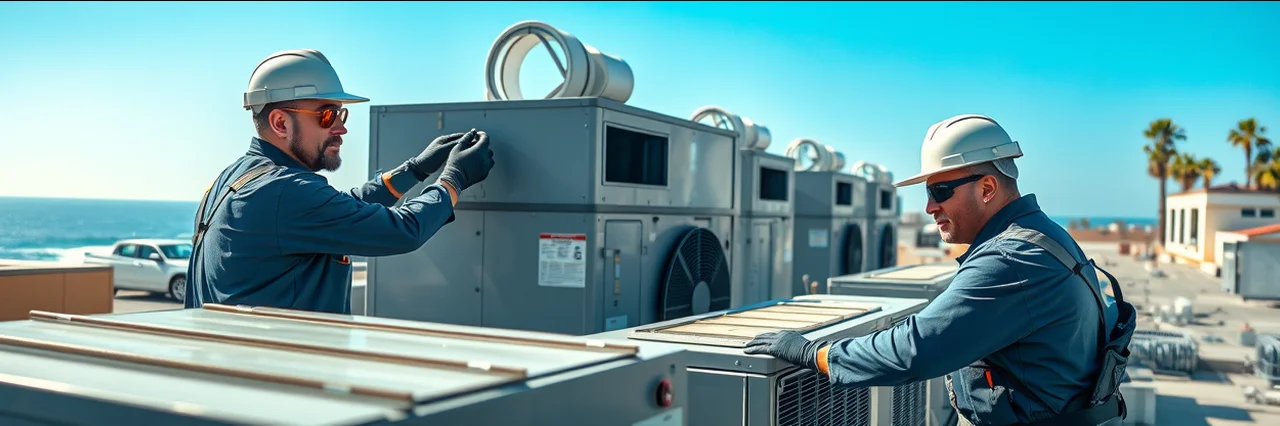
Homeowners looking to capitalize on the bill's benefits should consider hiring qualified contractors well-versed in energy efficiency practices. Professionals can provide guidance tailored to individual homes, ensuring that upgrades meet the necessary codes whilst optimizing indoor air quality and comfort.
Planning for the Future: Next Steps for Homeowners
As you think about how the Energy Efficiency Bill could impact your home's heating and cooling systems, now is the time to evaluate your current maintenance practices. Regular checks on your HVAC filters, humidity levels, and overall system performance are crucial. Understanding the nuances of air conditioning and heating efficiency will better prepare you for upcoming changes.
In conclusion, staying informed about the Energy Efficiency Bill and its ramifications opens a pathway for homeowners to enhance not only their comfort but also their environmental impact. Evaluate your home’s energy requirements and consult with professionals to make considered decisions that align with both the letter of the law and your personal comfort.





Write A Comment