
Add Row
Add Element
HOME SERVICE HUB
Add Element
  • Home
  • Categories
    • Smart Home Solutions
    • Gardening
    • Landscaping
    • Home Exterior
    • Outdoor Living
    • Smart Homes
    • Lawncare
    • Lighting Solutions
    • Plumbing Tips
  • Featured Business Profiles
January 27.2025
2 Minutes Read

Protect Your Family: How to Minimize Toxic Fumes from Cheap Pipe Repairs

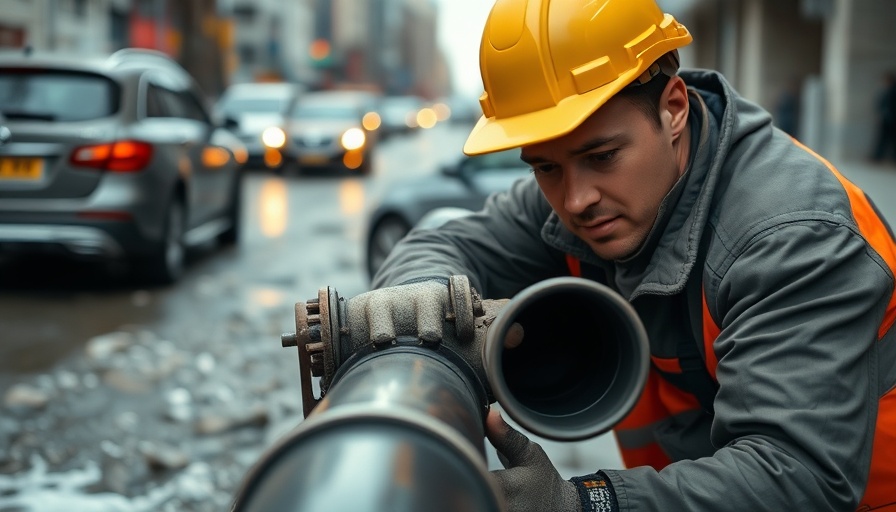
Construction worker fixing pipeline on street emitting toxic fumes.

The Hidden Dangers of Cheap Pipe Repairs

As urban infrastructures continue to crumble, the pressure mounts to find fast and cost-effective solutions to repair aging pipes. One of the most common methods employed is a cheap pipe repair technique involving resin-soaked sleeves. However, what many homeowners don’t realize is that this supposedly quick fix can turn into a health hazard, releasing toxic fumes that can infiltrate not only homes but entire neighborhoods.

Understanding the Risks

The process of creating a hard plastic pipe from a resin-soaked sleeve may sound productive, yet it introduces a ticking time bomb for public health. Upon heating, the resin emits hazardous chemicals that can traverse through sewer lines—often escaping detection until residents begin to notice adverse health effects. Reports have confirmed chemical exposure across 32 states and internationally, raising alarms about the safety of this remediation approach.

Real-Life Consequences of Overlooking Safety

Countless incidents have seen schools and medical facilities forced to evacuate due to toxic exposures, leading to hospitalizations and widespread panic. The debate is not just academic; it holds real implications for families, children, and vulnerable populations. As infrastructure investments escalate following the bipartisan Infrastructure Act of 2022, protecting communities from these lurking dangers has never been more urgent.

Preventive Action: What Homeowners Can Do

To safeguard their homes and loved ones during pipe repair work, residents should take simple yet effective steps. Firstly, ensuring all windows and doors are tightly closed can significantly limit the entry of harmful fumes. Filling siphons and leaving the vicinity while the pipe is curing are critical measures to afford extra safety, particularly for households with children. If unusual odors or health issues arise, reporting them promptly to health authorities may mitigate wider public health risks.

Strategies for Safer Repairs

Companies engaged in pipe repairs can also play a vital role in minimizing exposure. Implementing strategic pauses during work can drastically reduce the spread of harmful fumes. The adoption of newer, less-polluting resins is one actionable step to consider. This proactive equipment and material update could help lessen the environmental impact and health risks associated with traditional methods.

The Future of Pipe Repair: A Healthier Approach

As the nation grapples with aging infrastructure and the associated consequences, it's crucial for both residents and companies to collaborate on solutions that prioritize public health. Awareness is the first step; by understanding the nuances of these repairs, making informed decisions, and fostering dialogue between repair teams and communities, we can pave the way for safer and healthier living environments.

Plumbing Tips

5 Views

0 Comments

Write A Comment

*
*
Please complete the captcha to submit your comment.
Related Posts All Posts
02.26.2026

Propane Professionals Gain Easy Access to NFPA Codes with New Single Sign-On

Update Enhancing Access to Safety Standards for Propane Professionals The Propane Education & Research Council (PERC) has recently announced a significant advancement in its educational offerings, allowing easy access to essential safety codes through the National Fire Protection Association's (NFPA) NFPA LiNK® platform. This new capability greatly benefits registered users of PERC's Learning Center, streamlining their access to vital information critical for ensuring safety in the propane industry. Seamless Integration for Improved Efficiency With single sign-on (SSO) capabilities now integrated, propane professionals can directly navigate from their Learning Center dashboard to various critical safety standards, including NFPA 54 and NFPA 58. This seamless transition eliminates the need for multiple logins and subscription costs, significantly enhancing user experience. Users no longer have to remember multiple passwords or worry about costs associated with accessing important safety information. Commitment to Safety At the core of this initiative is PERC's unwavering commitment to safety. Eric Kuster, PERC’s senior vice president of safety, education, and compliance, emphasized that providing the propane workforce with the best possible tools is a priority. By facilitating easy access to the most up-to-date safety codes, PERC aims to cultivate a better-informed workforce, ultimately fostering a safer industry environment. Why This Matters to Homeowners For homeowners looking to upgrade their plumbing fixtures, understanding safety codes and standards is paramount. Whether installing a new water heater or converting to propane appliances, knowing the regulations can protect families and properties. This initiative not only supports industry professionals but indirectly enhances homeowner safety by ensuring that the technicians they hire are well-informed and compliant with the latest safety standards. The Future of Propane Education As technology advances, so does the need for efficient access to safety and regulatory information. The integration of NFPA LiNK® underscores a critical trend towards digital solutions in safety education. PERC is setting a precedent for how educational resources can adapt to the needs of today’s professionals, ensuring that safety knowledge is just a click away. Your Next Steps as a Homeowner For homeowners, the next steps are clear. When considering plumbing upgrades or new installations, ensure your technician is trained and certified, utilizing the most recent safety codes available. Staying informed about these changes can mitigate risks and provide peace of mind in your home improvement projects. Explore PERC's Learning Center Interested homeowners should explore PERC’s resources further, especially if they are considering upgrading to propane systems. By visiting training.propane.com, you gain access to comprehensive educational materials that can enhance your understanding and decision-making as a homeowner. This proactive approach not only enhances safety but also ensures compliance with necessary standards. Conclusion PERC's integration of NFPA LiNK® into its Learning Center represents a transformative leap towards enhanced safety and efficiency for propane professionals. As the industry continues to evolve, staying abreast of educational resources is essential not only for professionals but also for the homeowners they serve. Don't wait – dive into the resources available and ensure your home remains a safe haven.

02.24.2026

Four Key Questions to Ask Before Choosing a Pipe Inspection Camera

Update Understanding the Importance of Pipe Inspection Cameras Investing in a pipe inspection camera can significantly enhance plumbing maintenance for homeowners looking to upgrade their plumbing fixtures. Whether it’s for regular maintenance or diagnosing serious issues, these specialized tools enable users to visualize the insides of pipes, minimizing the guesswork often associated with plumbing problems. Four Essential Questions to Guide Your Purchase Choosing the right pipe inspection camera is crucial for effective plumbing diagnostics. Here are four key questions every homeowner should consider before making a purchase: 1. What Size Pipes Will You Inspect? The dimensions of your plumbing system will dictate the type of inspection camera you need. Cameras typically come with push rod systems suited for 1½ to 12-inch pipes. It’s essential to pick a camera model that can fit comfortably through your plumbing while providing sufficient range; larger pipes may require tractor pull systems, typically used for municipal drains over 10 inches. 2. Is Built-In Recording Necessary? A built-in recording device enables you to create footage that can serve as evidence for repairs and as a tool in familiarizing your plumber with the plumbing structure. If you foresee documenting inspections often, choose a camera with internal storage like USB or SD cards. With online connectivity options, such as models from Gen-Eye, you can easily share footage with maintenance specialists directly via mobile devices. 3. Do You Need Location Tracking? Understanding where your camera head is located in the pipes is critical, especially during inspections that may underline necessary repairs. Opt for cameras equipped with locator beacons; this allows you to pinpoint the camera's depth within the plumbing system. Locating technology will notably streamline your troubleshooting journey. 4. What About Service After the Sale? Consider service quality and availability after purchase. Proper training on your camera system can greatly simplify its use and reduce repair costs—a factor to keep in mind when investing in advanced technology. Consult with companies about their customer service and support, as reputable names in the hour of need can save future headaches. The Technological Evolution of Pipe Inspection Cameras Advancements in camera technology have paved the way for high-resolution products that provide incredible clarity in visual diagnostics. Cameras equipped with flexible cables and rotating heads can now navigate complex pipe systems, facilitating effective inspections. With LED lights for visibility in dark settings, modern devices ensure that even hard-to-reach sections can be thoroughly inspected. Future Insights on Pipe Inspection Solutions As we advance into an era where technology melds tight with infrastructure, the growing implementation of pipe inspection cameras stands to improve maintenance timelines and repair costs drastically. Homeowners can benefit greatly from utilizing these tools for proactive plumbing health checks, potentially avoiding significant expenses borne from unforeseen damages. Regular inspections could become as routine as seasonal HVAC maintenance, combining efficiency with preventative care. Common Misconceptions About Pipe Inspection Cameras Many homeowners believe that whether they need a pipe inspection camera boils down to urgent issues only. In reality, these tools can serve as preventive maintenance tools, saving time and money in the long run. Homeowners should consider how regular inspections can help identify small issues before they escalate, fostering an overall healthier plumbing system. A Call to Action If you’re serious about upgrading your plumbing system not only through fixture upgrades but through proper maintenance, considering a pipe inspection camera can be an excellent investment. By asking the right questions and evaluating your needs, you can find a system that suits your home perfectly. Ensure your plumbing is in its prime—explore the latest options today!

02.21.2026

Why Proper Downspouts and Foundation Drainage Matter in PA

Update Understanding the Importance of Downspouts in Pennsylvania In the heart of Pennsylvania, where rainfall varies between 34-52 inches annually, homeowners often face significant challenges with water drainage. Managing excess rainwater efficiently is crucial to protect our homes from potential damage. This understanding pits functionality against nature, indicating just how much an effective drainage system matters. Identifying Warning Signs of Drainage Issues Let’s dive into the signs that indicate your drainage might be failing. One of the most common issues arises when downspouts release water too close to the foundation. Ideally, water should be directed away — approximately 6-10 feet. When not, hydrostatic pressure builds, which can lead to a litany of problems such as wall cracking, soil erosion, and mold growth. Homeowners might consider investing in downspout extensions to alleviate minor drainage concerns unobtrusively. Understanding the Role of Underground Drain Lines Underground drainage lines play a pivotal role but can become clogged with debris or even collapse. If a storm leaves you with standing water around your downspout, that’s a glaring warning sign. That lingering water not only threatens your foundation but can also attract pests, which is an issue you definitely don’t want. Calling in a trusted plumber at such signs is not just advisable, it’s essential to preserve the structural integrity of your home. The Challenges of Negative Grading Over time, it's natural for soil to settle and shift, causing negative grading near your home’s foundations. Unfortunately, this shift can lead to water pooling in your basement, particularly for older Pennsylvania homes that weren't built with the necessary drainage systems. Remember, a compromised drainage system doesn’t just impact your property; it can overflow and affect your neighbors, spiraling into a community problem. The Benefits of a Robust Drainage System Our focus shouldn't just be on recognizing failure points but also on bolstering our drainage systems. Implementing underground discharge lines can significantly enhance water movement away from your home, but do note that it typically requires excavation. Alternatively, consider French drains — designed to intercept water before it reaches the foundation, particularly useful for properties facing uphill runoff. Finally, catch basins can redirect surface water from low points into an underground system, further safeguarding your home. Making Immediate Changes for Long-term Results Investing in effective drainage solutions isn't merely a matter of aesthetics but one of necessity. Take proactive steps to research your property’s drainage history and explore options suited to your unique layout. Family homes, especially those nestled within sloped neighborhoods, should prioritize ongoing maintenance and inspection to stave off any future challenges. Final Thoughts on Downspout and Foundation Drainage In the end, understanding your home’s drainage system isn’t just about maintenance—it's about securing your community. Make the right call when you notice signs of drainage issues, because ultimately, a small investment in prevention today can save you a lot of money tomorrow. If you have doubts about your system or are wondering about the necessary upgrades, it’s time to reach out. For many homeowners in Pennsylvania dealing with rain-related challenges, proactive measures can prevent substantial damage and protect your sanctuary. Don't wait for a heavy downpour to uncover your drainage problems! Make the call to ensure your home remains the fortress it should be.

Terms of Service

Privacy Policy

Core Modal Title

Sorry, no results found

You Might Find These Articles Interesting

T
Please Check Your Email
We Will Be Following Up Shortly
*
*
*