Add Row
Add Element
HOME SERVICE HUB
Add Element
  • Home
  • Categories
    • Smart Home Solutions
    • Gardening
    • Landscaping
    • Home Exterior
    • Outdoor Living
    • Smart Homes
    • Lawncare
    • Lighting Solutions
    • Plumbing Tips
  • Featured Business Profiles
December 17.2024
3 Minutes Read

Transform Your Space: Mastering Layers of Light Beyond Recessed Fixtures

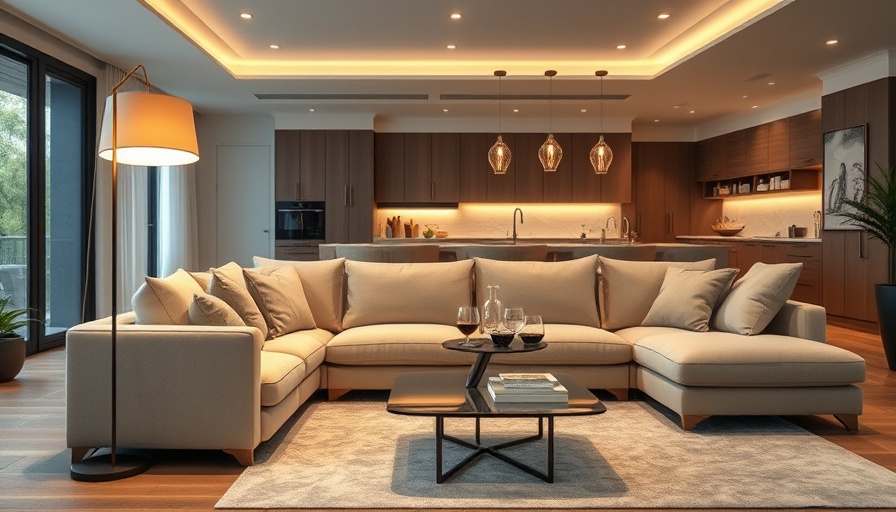
Modern living room with lighting conversion kits

Lighting Your Home with Style: Moving Beyond Recessed Lights

In the world of home design, effective lighting can transform a space from ordinary to extraordinary. While recessed lighting has long been popular due to its low profile and affordability, it may not offer the most visually dynamic solutions for your rooms. Enter the concept of 'Layers of Light'—a strategic approach that integrates multiple light sources for a more vibrant and personalized home environment. Here's how homeowners can go beyond simple recessed fixtures to create truly captivating spaces.

Why Layers of Light Are Essential

Recessed lights often provide a functional, yet flat, ambient glow, creating a uniform but uninspired lighting atmosphere. By contrast, the Layers of Light technique introduces depth and variance through the use of mixed lighting sources. These include not just traditional recessed fixtures but also chandeliers, pendant lights, track lighting, and table lamps. The aim is to offer a blend of task-focused, accent, and ambient lighting to suit varying needs and moods in different areas of the home.

Making the Most of Conversion Kits

Homeowners looking to update their lighting without a complete overhaul can benefit from the use of can conversion kits. These kits allow you to swap out certain recessed lights with other types of fixtures like pendant or ceiling lights, offering more control over lighting design. Moreover, swapping out traditional recessed cans for adjustable or glare-reducing ones can create a significant impact. Adjust your lights to highlight particular features like artworks or architectural details, bringing a touch of elegance and sophistication to your spaces.

Innovative Tips for Layering Light

With your newly converted fixtures, it's time to think creatively about other lighting elements. Consider pendant lights over your kitchen island to provide task lighting, while chandeliers can create a warm atmosphere in the dining area. Incorporate table lamps on either side of the couch for reading or conversation areas, and don't forget the corners. Floor lamps here can eliminate gloom and brighten up any overlooked spaces. Dimmer switches and smart home integrations also enable further customization, providing the exact ambiance you desire.

Historical Context and Background

The evolution of home lighting has been significant, with a shift from simple, singular light sources to a more nuanced understanding of lighting's impact on atmosphere and utility. Initially, primary light sources like chandeliers or floor lamps were the norm. However, the advent of recessed lighting offered a more streamlined appearance, pushing deeper into modern minimalist aesthetics. Today, however, designers and homeowners are increasingly acknowledging the limitations of recessed lighting alone and are revisiting multi-layered lighting strategies for richer, more versatile home environments.

Unique Benefits of Knowing This Information

Understanding the importance of layers of light can significantly enhance your home environment, offering a range of emotional and practical benefits. A well-lit room can elevate mood, increase productivity, and highlight cherished design pieces. Furthermore, embracing such lighting strategies can increase the functionality of each space, tailoring the ambiance to suit both lively gatherings and serene, contemplative moments. This knowledge allows homeowners to make informed decisions about their lighting investments, ultimately maximizing both personal satisfaction and property value.

Lighting Solutions

7 Views

0 Comments

Write A Comment

*
*
Related Posts All Posts
12.01.2025

Choosing LEDs for Your Business: Impact on Sales and Sustainability

Update Brightening Your Business with LED Lighting: The Essential GuideChoosing the right lighting for your retail environment is more than just a functional decision; it’s an artful strategy that significantly influences customer behavior. As businesses evolve, LED lighting has emerged as the illumination solution that not only enhances aesthetics but also contributes to operational efficiency. This guide dives into how LEDs can transform your store into a vibrant, inviting space that promotes sales and sustainability.Understanding the Impact of LED Lighting on SalesIn the competitive retail landscape, effective lighting can be a game changer. According to research from Goodlight, well-implemented LED solutions can improve customer mood and experience, ultimately leading to increased foot traffic and higher sales. For instance, warmer lighting can create a welcoming atmosphere that encourages shoppers to linger, whereas brighter, focused lighting can highlight featured products, drawing more attention and driving impulse purchases.Sustainable Practices: Why LEDs are Eco-FriendlySustainability is at the forefront of retail strategy, and LEDs are leading the way with their energy-efficient design. Compared to traditional bulbs, LEDs consume significantly less energy and have a lifespan two to five times longer. This reduction in energy usage not only lowers utility bills but also minimizes the carbon footprint of your business, aligning with the growing consumer expectation for environmentally responsible practices. Retail spaces that adopt LEDs affirm their commitment to sustainability, appealing to the increasing number of eco-conscious shoppers.Smart Lighting: The Future of Retail EnvironmentsWith advancements in technology, smart lighting systems like Goodlight’s Light Boss™ are revolutionizing how retail stores manage their illumination. These systems allow for real-time adjustments based on environmental factors such as foot traffic and natural light availability, thus optimizing energy use. Retailers have the ability to control the brightness, color temperature, and even scheduling of lights remotely, enhancing efficiency and providing customizable shopping experiences that resonate with customers.Case Studies: Successful LED ImplementationsNumerous retailers have successfully adopted LED lighting, showcasing its effectiveness. Stores like grocery chains and boutiques have reported increases in customer engagement after switching to adjustable LED fixtures that highlight products and create a more inviting ambiance. For instance, implementing LED solutions in display areas has been shown to boost product visibility and attractiveness, resulting in improved sales performance. These real-life stories of transformation underline how appropriately chosen LED solutions can provide a substantial return on investment.Conclusion: Investing in Lighting for GrowthAs we’ve explored, the right LED lighting selection goes far beyond aesthetics; it’s a catalyst for enhancing shopper experience and improving operational efficiencies. Whether you are considering a simple retrofit or a complete lighting overhaul, investing in LED technology can yield significant benefits for your business. Start your journey towards better illumination today and witness how the right lighting can create a lasting impression on your customers and transform your retail space.

11.27.2025

Smart Lighting: An Essential Investment for Achieving Net Zero Goals

Update Understanding Smart Lighting Systems in the Pursuit of Net Zero In today’s eco-conscious world, businesses and homeowners alike are increasingly investing in innovative solutions tailored towards achieving net zero carbon emissions. Smart lighting systems are a fundamental component of this transition, combining energy-efficient technology with advanced controls to minimize energy consumption while enhancing convenience and comfort. The Advantages of Smart Lighting Smart lighting not only decreases energy bills, but it also encourages sustainable practices. By utilizing features such as motion sensors and daylight harvesting, these systems ensure that lights are only on when necessary, thus significantly reducing the overall energy footprint. This intelligent usage leads to lower carbon emissions, aligning perfectly with global sustainability efforts. Reducing Energy Consumption and Prolonging Lifespan As highlighted in recent studies, traditional lighting systems commonly operate at full capacity regardless of actual need, leading to rampant energy waste. Smart lighting systems address these inefficiencies by adjusting to occupancy and natural light availability.Moreover, the thoughtful design of smart lighting promotes the longevity of fixtures. Energy-efficient bulbs, such as LEDs, not only consume less power but also typically have lifespans of around 50,000 hours. This means fewer replacements and reduced waste from manufacturing and disposal processes, a significant benefit in the context of achieving net zero objectives. Beyond Sustainability: The Business Case for Smart Lighting Transitioning to smarter lighting solutions is not just environmentally prudent; it also makes financial sense. Companies that implement smart lighting can anticipate lower utility costs, improved work environments, and compliance with energy efficiency regulations. Such integrations are essential to enhance employee productivity and satisfaction, emphasizing that sustainability and profitability can indeed go hand in hand. Advanced Energy Management for Continuous Improvement Smart lighting systems often come equipped with energy monitoring capabilities that allow businesses to track their energy usage in real-time. This data-driven approach facilitates informed decision-making, enabling companies to take actionable steps towards enhancing energy efficiency further. By having detailed reports on energy consumption, organizations can assess their progress towards net zero goals and make strategic adjustments as necessary. Incorporating Circular Economy Principles As a critical step towards sustainability, integrating circular economy principles into smart lighting systems cannot be overlooked. The aim here is not only to reduce energy consumption but also to consider the lifecycle of lighting fixtures—from design to manufacturing, and ultimately to disposal. By designing products meant for reuse and recycling, businesses can contribute positively towards achieving net zero emissions. Preparing for the Future of Smart Lighting The advent of new technologies continues to reshape the lighting landscape. With the rapid development of wireless controls that reduce the need for extensive wiring and the potential for 3D-printed components made from reclaimed materials, the future of lighting looks to be more sustainable and efficient. As businesses and consumers become more aware of their environmental impact, the reliance on innovative lighting solutions is only expected to grow. Steps to Get Started with Smart Lighting For those looking to transition to smarter lighting solutions, assessing current energy usage and identifying areas for improvement is essential. Consider partnering with experts who specialize in smart lighting solutions to ensure that the systems implemented are tailored to your specific needs and contribute to your organization's net zero commitments. In conclusion, smart lighting is not just a trend; it is a necessary move towards a more sustainable future. By operating more efficiently, these systems empower businesses to achieve their environmental goals while simultaneously reaping financial benefits. The time to invest in smart lighting solutions is now. Take the first step towards a brighter, greener future.

11.25.2025

Why Emergency Lighting Is Crucial for Safety in Every Building

Update Understanding the Vital Role of Emergency Lighting Emergency lighting is not just a regulatory requirement; it represents a commitment to safety in various settings, including shops, warehouses, schools, and hospitals. In a climate where emergencies can arise unexpectedly, the presence of reliable emergency lighting can make all the difference in ensuring the safe evacuation of individuals in times of crisis. This system is designed to illuminate escape routes and vital areas in the event of power outages, fires, or other disruptive incidents. Types of Emergency Lighting: Which One to Choose? Emergency lighting comes in several forms, each tailored to specific needs: Escape Lighting: This type leads individuals to exits safely, particularly in smoky, low-visibility conditions. Standby Lighting: Maintains illumination in key areas for continued operations despite power disruptions, essential in places like hospitals and data centers. Open Area Lighting: Prevents panic in large spaces, guiding occupants to safety without disorienting them. High-Risk Area Lighting: Specifically for environments where hazardous materials are present, ensuring workers can evacuate safely. Modern LED emergency lighting systems stand out for their energy efficiency and durability, combining smart technology with robust functionality. Why Emergency Lighting is Essential for Safety The importance of emergency lighting cannot be overstated. Here are several key reasons why: Instant Activation: Unlike traditional lights, emergency LED fixtures activate immediately when needed, ensuring that panic during an emergency is minimized. Regulatory Compliance: Legal standards such as BS 5266 and EN 50172 dictate the necessity of emergency lights in all non-domestic buildings. Compliance not only avoids legal consequences but also enhances safety. Business Continuity: In critical environments like hospitals or manufacturing plants, maintaining operations during a blackout is vital. LED emergency lights ensure that essential functions can continue uninterrupted. Environmental Sustainability: By switching to LED technology, facilities can significantly reduce energy consumption—by as much as 70%—thereby also lowering carbon footprints. In conjunction with these benefits, LED emergency lights are often equipped with self-testing features, which further optimize maintenance practices. The Advanced Technology Behind Modern Emergency Lights One of the most exciting developments in emergency lighting is the introduction of smart controls. Systems like Goodlight’s Light Boss™ Emergency offer advanced monitoring capabilities that allow facility managers to oversee lighting health across multiple buildings simultaneously. This innovation enhances maintenance efficiency by automatically testing lights and alerting users of issues through a user-friendly interface. Conclusion: Prioritizing Emergency Preparedness Investing in emergency lighting is an investment in safety and peace of mind. With modern LED solutions, not only does functionality improve, but maintenance becomes streamlined, and costs are reduced due to energy efficiencies. As technology continues to evolve, integrating smart solutions into emergency lighting systems is the next step. The question for businesses and property managers is no longer “Why should I?” but “How soon can I install?”

Terms of Service

Privacy Policy

Core Modal Title

Sorry, no results found

You Might Find These Articles Interesting

T
Please Check Your Email
We Will Be Following Up Shortly
*
*
*