Add Row
Add Element
HOME SERVICE HUB
Add Element
  • Home
  • Categories
    • Smart Home Solutions
    • Gardening
    • Landscaping
    • Home Exterior
    • Outdoor Living
    • Smart Homes
    • Lawncare
    • Lighting Solutions
    • Plumbing Tips
  • Featured Business Profiles
February 05.2025
3 Minutes Read

Protect Your Family: How Cleaning Faucet Aerators Reduces Lead Exposure

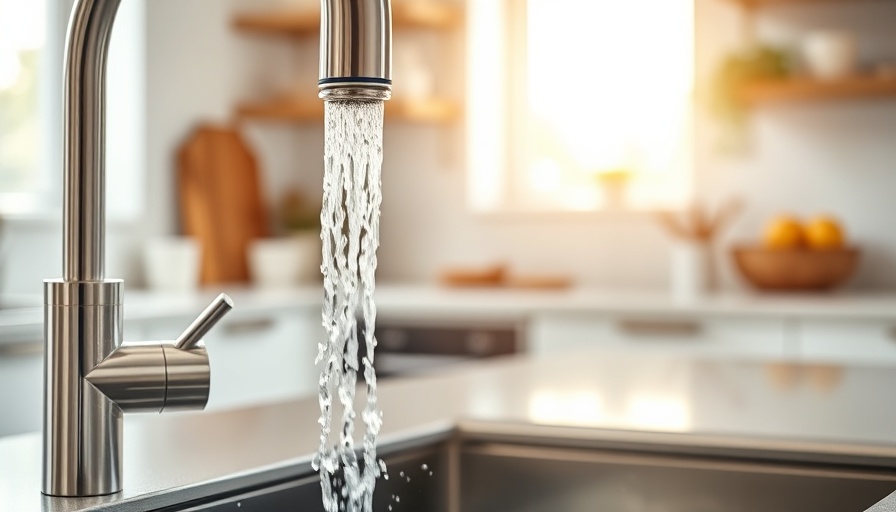
Modern kitchen faucet with running water, focus on aerator.

Understanding the Hidden Risks: Why Your Faucet Aerator Matters

Faucet aerators are small devices with a big job—they help to optimize water flow, reduce splashing, and conserve water. However, in older homes, they can become silent contributors to a much bigger issue: lead exposure. Lead enters our water systems from corroded pipes, soldering, or even brass fixtures that contain lead. When these dangerous particles accumulate in your aerator, they can leach into the water you drink daily.

Take a moment to consider: how many times have you cleaned your aerator for the sake of low water pressure? It’s time to add another reason to that list. A case study from Michigan revealed that a family discovered hazardous lead levels traced back to their 20-year-old kitchen faucet. Simply cleaning the aerator led to a 40% reduction in lead concentration, though they ultimately decided to replace the faucet for long-term health and safety.

Proactive Maintenance: Tools to Safeguard Your Water Quality

Cleaning your faucet aerator effectively and safely requires a few simple tools that can be found around the house or at a local store. You will need:

  • Faucet aerator removal tool or compatible wrench
  • White vinegar or citric acid for dissolving mineral buildup
  • Old toothbrush or soft-bristle brush for scrubbing
  • Rubber gloves to protect your hands from contaminants
  • Bowl or container for soaking the aerator components
  • Optional: Lead testing kit to check your water

Using common household items not only helps to ensure thorough cleaning but also minimizes the risk of cross-contamination.

Your Step-by-Step Guide: Cleaning the Faucet Aerator

Cleaning your aerator is straightforward if you follow these steps:

  1. Remove the Aerator Safely: Use the aerator removal tool to gently unscrew the aerator counterclockwise. Avoid using pliers, as they risk damaging the aerator.
  2. Disassemble and Inspect: Take the aerator apart and check for dark debris or mineral build-up, indicating lead presence.
  3. Soak in a Lead-Fighting Solution: Submerge the parts in white vinegar or citric acid for 30-60 minutes to dissolve harmful residues.
  4. Scrub and Rinse: Wearing gloves, scrub the parts with a toothbrush, focusing on hard-to-reach crevices.
  5. Test for Lead Residue: After cleaning, use an EPA-recommended lead test kit to check for residual lead. A color change indicates lead contamination.
  6. Reassemble and Reinstall: Reattach the aerator, tightening it by hand only to avoid breaking the threads.

Successfully completing these steps will extend your faucet's life while significantly reducing lead exposure risks.

Long-Term Safety: Beyond Just Cleaning

To ensure the minimal risk of lead exposure, adopt a proactive approach to your water safety:

  • Test Your Water Annually: Purchase a DIY lead testing kit or contact your local water utility for free testing services. The EPA mandates that utilities inform you if lead exceeds safety levels.
  • Consider Modern Solutions: Newer fixtures with lead-free certifications or point-of-use water filtration systems can dramatically lessen lead exposure risks.
  • Educate Yourself: Familiarize yourself with the EPA’s Lead and Copper Rule to understand your rights and options better.

By taking these steps, you can foster a healthy living environment for both you and your family.

Plumbing Tips

11 Views

0 Comments

Write A Comment

*
*
Related Posts All Posts
12.12.2025

Burst Pipe Emergency? Immediate Steps Homeowners Must Take

Update Why Every Second Counts in a Burst Pipe Emergency When the sudden crack of a pipe disrupts your calm at home, your reaction in the first five minutes can drastically change the outcome of the disaster. The process for tackling a burst pipe can seem overwhelming, especially when every second can lead to either manageable repairs or costly water damage. Understanding the steps to take immediately can save you time, money, and stress. Minute 1: Shut Off Your Main Water Supply Stopping the flow of water is your first priority. Locate your main shut-off valve—often found in basements or crawl spaces—and turn it clockwise until it stops. Knowing the exact position of this valve ahead of time can save valuable moments during an emergency. Bringing everyone in your household to this valve will ensure that, should disaster strike, no time is wasted searching for how to stop the flooding. Minute 2: Ensure Electrical Safety If water is seeping near electrical outlets or appliances, turn off the electricity at your breaker box immediately. This critical action prevents deadly electrical hazards that could occur if water and electricity mix. If the flood has seeped near your electrical panel and it's unsafe to approach, don’t take the risk; evacuate and call an electrician. Minute 3: Relieve Pressure Open all faucets in your home to relieve the pressure in your plumbing system and to help drain any remaining water. This counterintuitive step can prevent further leaks and reduce water damage in other areas. Start with the faucets closest to the burst and work your way through your home, remembering to check outdoor spigots. Minute 4: Begin Damage Control Now that the immediate dangers are mitigated, it’s time to focus on control measures. Move electronics and furniture away from the water, place buckets under active drips, and soak up any standing water with towels or a wet/dry vacuum. Open cabinet doors under sinks to improve air circulation, which helps mitigate mold growth. Minute 5: Call a Plumbing Professional With the situation stabilized, contacting an emergency plumber is paramount. The challenges of Northern Pittsburgh homes, from aging infrastructure to frigid winters, require the expertise of professionals who can diagnose and fix the problem swiftly. Provide them with crucial information on the situation when you call, including where the burst occurred and any visible damage. Post-Emergency Actions: Document and Dry Once the immediate crisis is controlled, focus on documentation for insurance claims. Taking photos and videos now can help substantiate your claim later. Be sure to dry out all affected areas completely to prevent mold growth, which can occur within 24-48 hours in damp conditions. Use fans, dehumidifiers, and ventilation to ensure quick drying. Preventing Future Emergencies After navigating the stress of a pipe burst, taking steps to prevent future issues is essential. Insulate your pipes properly, especially in the winter months. Regular maintenance and inspections will help detect any underlying issues before they result in an emergency. Some simple measures include: Wrapping exposed pipes in insulation. Sealing air leaks to keep pipes warmer. Monitoring water pressure to avoid pressure-induced failures. Keeping the thermostat above 55°F during cold spells. Being prepared and knowledgeable about how to respond will save you both money and stress in the future. Take charge of your home’s plumbing now, and it may just save you from catastrophic repairs later on.

12.11.2025

Unlock Better Plumbing with the Powerful JM-1000 X Mini-Jet™

Update Why Water Jetting is Essential for Homeowners In the world of home maintenance, managing plumbing issues is a top priority for homeowners. Clogs can cause a host of problems, from water backups to property damage. That's where the JM-1000 X Mini-Jet™ comes in, revolutionizing the way we approach these stubborn blockages. This portable water jetting equipment offers a new solution specifically designed for clearing tough clogs, delivering an impressive 1500 psi of high-pressure water cleaning. Upgrading Your Plumbing Arsenal: The Importance of the JM-1000 X The JM-1000 X Mini-Jet™ stands out not just for its power but for its compact design, making it ideal for those who may not have much space to store tools. Weighing in at just 23 lbs, it combines serious cleaning capabilities with portability. Its upgraded features allow for better balance and ease of use, crucial for tackling tough clogs in places like kitchens and laundry rooms. Plus, this tool's enhanced design protects its components, ensuring that it can withstand the rigors of frequent use. Power You Can Count On: Tackling Common Plumbing Challenges In home plumbing, grease buildup is notorious for causing frustrating clogs. Traditional methods often just poke a hole through the blockage, leading to recurring issues. The JM-1000 X Mini-Jet™, however, provides wall-to-wall water spray that efficiently flushes out grease, sand, and even ice from pipes ranging from 1-1/2" to 3". This makes the JM-1000 X not just a tool but a necessity in effectively maintaining clear drainage systems. Future-Proofing Your Home Maintenance Routine As homeowners look to enhance their plumbing fixtures and overall maintenance tools, investing in advanced equipment like the JM-1000 X Mini-Jet™ becomes a smart choice. The high-tech design ensures that homeowners are not just managing current clogs but are also prepared for versatility in the challenges that future plumbing issues may present. Local vs. Global Perspectives: A Wider View on Water Jetting Understanding the implications of effective water jetting can help homeowners appreciate its necessity. In increasingly urban environments, clogged plumbing systems are not just a local problem; they contribute to larger systemic issues within municipal sewage systems. Having access to advanced tools like the JM-1000 X can empower individuals to address minor plumbing problems before they escalate, making a difference in the community at large. Taking Action: How to Get Started with the JM-1000 X Mini-Jet™ If you're ready to elevate your plumbing maintenance game, consider reaching out for a demonstration of the JM-1000 X Mini-Jet™. This high-pressure jetter is not just a tool; it’s a solution that will enhance your home's plumbing system, making your cleaning routine less stressful and more effective. You can contact the Drain Brains at 800-245-6200 or email info@drainbrain.com for further information.

12.06.2025

Exploring the Intersection of Shop Class and Broadway: The Impact on Home Upgrades

Update The Expanding Role of Shop Class in Today's Education As American high schools evolve, so does the understanding and perception of vocational education, now often referred to as Career and Technical Education (CTE). This shift reflects a growing acknowledgment of the critical role these programs play in preparing students for modern careers. Reports show that an overwhelming 98% of U.S. high schools offer CTE curricula, drawing in approximately 11.2 million students across the nation. These programs bridge the gap between academic learning and practical skills, empowering students with opportunities in trades such as plumbing, automotive repair, and culinary arts. Bridging Creativity and Trades Interestingly, today's discussion is not solely about practical skills. The integration of arts into CTE, as highlighted by the Education Commission of the States, emphasizes fostering creative thinking alongside technical skills. This dual approach prepares students not only for their specific trades but also equips them with problem-solving and collaboration skills vital in any workplace. Programs increasingly recognize that artistic capabilities can enhance fields like design, media arts, and even the HVAC sector, where creativity in problem-solving can be crucial. Art’s Influence: A Case Study Witnessing the success of the Book of Mormon Broadway performance in Rockford, Illinois, provides an inspiring parallel. As cast member Jacob Aune stepped into the limelight, he exemplified how theatre arts offer unique paths for students, allowing them to harness creativity while gaining confidence and public-speaking skills. Such experiences are not just entertainment; they've shown to enhance essential life skills and deepen cultural appreciation—traits that can benefit any profession, including those in the trades. Why CTE Matters to Homeowners For homeowners considering upgrades or repairs, understanding the depth of training and skills present in today’s CTE students can be invaluable. When hiring a plumber, electrician, or any contractor, you’re hiring someone who has likely had extensive training in both the technical and soft skills necessary for cooperation and communication. This well-rounded approach ensures quality work and enhances customer satisfaction, ultimately making projects smoother and more efficient. The Future Landscape: Predictions and Trends Looking forward, the incorporation of the arts into the CTE curriculum is likely to expand. Not only will this foster more innovative thinkers, it may also attract new partnerships between schools, local businesses, and arts organizations. By leveraging the synergy between practical skills and creative thinking, the workforce of tomorrow will be more adaptable and equipped to handle unforeseen challenges. For homeowners, this means increasingly skilled professionals who not only understand the mechanics of their trade but can also think critically about solutions. What Homeowners Should Know For homeowners contemplating renovations or installations, recognizing the value in hiring CTE-trained professionals can lead to better project outcomes. If, for instance, you're considering an upgrade to your plumbing fixtures, understanding these professionals are trained to consider both functionality and design can greatly enhance the scope and aesthetics of your project. Steps to Take: Finding Quality CTE Graduates Investigating local CTE programs could provide avenues to connect with emerging professionals. Home improvement projects are significant investments, and tapping into this educational resource could facilitate not only high-quality work but also support local career development initiatives. Consider contacting local schools or vocational programs that may link you to recent graduates or students seeking apprenticeships. Conclusion: A Call to Action for Homeowners Your next plumbing upgrade or home improvement project presents a unique opportunity. By choosing to work with CTE graduates, not only are you ensuring that you receive skilled labor, but you're also investing in the future of trades education. Your engagement can shape a workforce that is both innovative and skilled. Explore local resources, reach out to schools, and make informed choices that benefit not just your home but the future of vocational training in your community.

Terms of Service

Privacy Policy

Core Modal Title

Sorry, no results found

You Might Find These Articles Interesting

T
Please Check Your Email
We Will Be Following Up Shortly
*
*
*