
HOME SERVICE HUB
  • Home
  • Categories
    • Smart Home Solutions
    • Gardening
    • Landscaping
    • Home Exterior
    • Outdoor Living
    • Smart Homes
    • Lawncare
    • Lighting Solutions
    • Plumbing Tips
  • Featured Business Profiles
February 20.2025
3 Minutes Read

The State of My Smart Home in 2025: Innovations and Upgrades

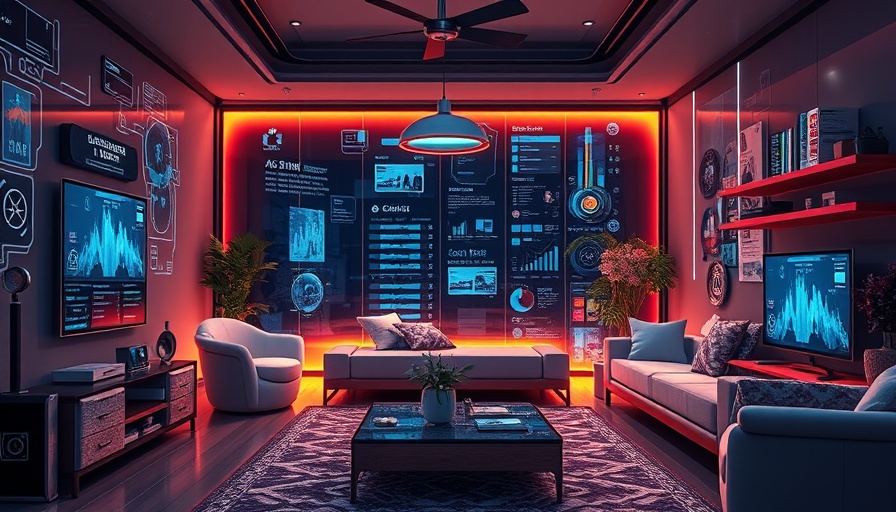
Smart Home Innovations 2025 illustration showing futuristic tech.

Exploring the Future of Smart Homes: What’s New in 2025?

As we step into 2025, the landscape of smart home technology continues to evolve at an extraordinary rate. This year marks a notable shift as homeowners are increasingly embracing innovations that enhance convenience, security, and sustainability. From advanced cleaning solutions to integrated control systems, the smart home of the future is not just about automation; it’s about creating an intelligent living environment.

Upgrades and Innovations: A Year in Review

Reflecting on the past year, my smart home journey involved significant upgrades that enhanced both functionality and user experience. Transitioning to Ubuntu 24.04 was a critical step, allowing me to harness the robust capabilities of this operating system in managing various smart devices effectively. The upgrade experience, while daunting, ultimately improved my home lab infrastructure.

Another thrilling addition has been the SwitchBot K10+ Pro robot vacuum. This device not only incorporated superior cleaning capabilities but also optimized its navigation techniques, making it integral to maintaining an effortlessly clean home environment.

Universal Remote Control: The Ultimate Home Integration

With technological advancements, the need for seamless home entertainment integration has become crucial. The arrival of universal remotes like the Sofabaton X1S has made it easier than ever to control multiple devices with simplicity and efficiency. As we transition towards a streaming-centric home entertainment landscape, devices like these have become indispensable.

Key Trends in Smart Home Technology for 2025

Recent reports predict several key innovations that will shape the smart home industry in 2025:

  • Smart Control Systems: With the emergence of control dashboards, homeowners can monitor various systems—from energy management to air quality—and maximize efficiency while minimizing costs.
  • Smart Furniture: As technology becomes more integrated into everyday life, even furniture is evolving. Expect tables and chairs with embedded sensors and smart capabilities, enhancing convenience and interactivity in our living spaces.
  • Energy Storage Solutions: Whole home batteries are paving the way for resilient energy management, allowing homeowners to store solar energy and reduce dependency on grid power.

Enhancing Home Security with Technology

Security remains a top concern for homeowners, and in 2025, innovations like the Ring Always Home camera drone have become game-changers. This drone can autonomously patrol your home, offering peace of mind whether you’re home or away. Integrating such technology not only enhances security but also allows for real-time monitoring from anywhere.

Green Technologies and Sustainability

As climate change becomes an ever-pressing concern, the adoption of smart home technologies that support sustainability is on the rise. Energy-efficient devices and smart water management systems are at the forefront of this green revolution, allowing homeowners to track usage patterns and implement measures that conserve resources.

Looking Ahead: The Smart Home You'll Want

The future of smart homes in 2025 is about more than just convenience; it’s about creating spaces that are responsive to our needs and sustainable for our environment. As new products are unveiled, homeowners willing to invest in smart technology will find their residences transformed into havens of efficiency and comfort. As we continue to innovate, it’s crucial to stay informed about emerging trends and technologies that can enhance our living spaces.

In summary, being proactive about incorporating these smart innovations will not only enrich our lives but also contribute positively to the world around us. Homeowners should embrace these advancements enthusiastically, reimagining what our homes can truly be.

Are you ready to upgrade your smart home in 2025? Dive into the latest innovations today!

Smart Home Solutions

11 Views

0 Comments

Write A Comment

*
*
Please complete the captcha to submit your comment.
Related Posts All Posts
05.20.2026

Build Your Ideal Multi-Gig Home Network in 2026 Without Overspending

Update Understanding Multi-Gig Networks: The Future of Home Connectivity In 2026, the push for multi-gig networks is in full swing, transforming the way homeowners connect their devices, share data, and utilize smart home technology. With advancements in networking promising astonishing speeds, it’s essential to sift through the noise and focus on what upgrades are genuinely beneficial. For many, this means adopting 2.5GbE (2.5 Gigabit Ethernet) technology without overspending. Identifying and Addressing Bottlenecks Before diving into the intricacies of upgrading to a multi-gig network, the critical first step is identifying the current bottleneck. Most households encounter one of three main constraints: internet speed, internal network speed, or Wi-Fi coverage. Understanding this can prevent unnecessary expenses. As a homeowner, it’s vital to recognize that spending on multi-gig equipment is only worthwhile if your actual limitations warrant it. For instance, if your ISP provides only a gigabit plan, investing in multi-gig devices will yield no real benefits regarding internet speed. However, for those transferring large files to and from a NAS or utilizing multiple smart home devices concurrently, a shift to a faster internal network becomes crucial. Strategic Core Router Selection The central component of a robust network is the core router or firewall, which lays the groundwork for future upgrades. If the gateway doesn’t support multi-gig WAN and LAN features, any investment downstream becomes moot. When selecting a core router, ensure that it meets the following criteria: Multi-gig WAN capability, especially for future-proofing against faster internet plans. At least 2.5GbE ports for efficient internal traffic management. This way, you create a foundation that accommodates current and future devices without running into speed limits later. Selective Upgrading of Switches As you plan out your multi-gig environment, it’s essential to recognize that not every switch in your network needs to be replaced immediately. Begin by upgrading critical areas first. For example, introducing just one 2.5GbE switch connecting your NAS and desktop can provide a significant performance boost while enabling a gradual transition to multi-gig across the rest of your network. Importantly, don’t let yourself be tempted into buying components that won’t be utilized fully. Only upgrade switches that directly impact data transfer needs. Choosing the Right Endpoints End devices constitute a crucial aspect of a home network upgrade. However, homeowners frequently overspend here. The key is to focus upgrades on high-priority devices: NAS units and dedicated desktops handling large files. Devices like Proxmox servers or home lab setups that see frequent data fluctuations. Low-priority devices such as televisions and streaming gadgets can remain at Gigabit without diminishing your user experience. This prudent approach allows homeowners to manage costs effectively while still upgrading essential gear to take advantage of heightened speeds. The Role of Wi-Fi and Signal Quality Wi-Fi performance is often where users face the most frustration. Fast wired connections do little to alleviate Wi-Fi dead zones or weak signals. While upgrading to a multi-gig capable internet infrastructure is advisable, ensure you keep Wi-Fi improvements in check. If you’re going to invest, look into Wi-Fi 6 or 7 access points that support backhaul speeds exceeding the limitation of your current setup, allowing seamless integration. In 2026, with smart home devices being more prevalent, Wi-Fi upgrades become essential—providing not just connectivity but reliability across the board. Future-Proofing Your Setup The central question is not just about immediate gains but future readiness. The landscape of home networking is changing. As we see the rollout of multi-gig internet, homeowners should start adopting equipment that anticipates this shift. The goal is to design a network that grows with your needs without imposing a heavy financial burden. By embracing a gradual upgrade approach, homeowners can enjoy the benefits of multi-gig technology without the pitfalls of unnecessary expenses. Removing bottlenecks wisely paired with upgraded core components can lead to both immediate and long-term enhancements in home connectivity. Conclusion: Smart Spending Equals Smart Living If you are pondering whether to level up your home network, remember that a multi-gig ecosystem will likely pay dividends for homeowners engaged in high-volume data work, gaming, or those heavily relying on smart home technology. . Embrace strategic upgrades centered on accurate assessments, thoughtful planning, and cost-effective implementation. This approach ensures that your network meets both current and future demands without leading to waste. Start today by evaluating your needs and planning your next steps thoughtfully to pave the way for a seamless and efficient multi-gig home network experience.

05.16.2026

Mastering Your Streaming Services: How To Create Your Ideal Lineup

Update Understanding the Streaming Landscape in 2026As streaming becomes an integral aspect of our home entertainment experiences, the landscape continues to evolve rapidly. With numerous platforms offering diverse content libraries and subscription models, viewers find themselves at a crossroads: how do you choose your top streaming services that provide the most value? The emergence of smart homes and sophisticated technologies means owning the right streaming set becomes pivotal, as they can integrate seamlessly with your smart devices. This article breaks down the essential strategies for selecting the best streaming services tailored to your viewing habits and budget.Core Services: Identifying What Matters MostEvery household has that one streaming service that feels indispensable. Understanding which service you cannot live without is critical. For many, Netflix emerges as the leader due to its wide-ranging content, including hit series like Squid Game and Stranger Things, appealing to viewers' cravings for trending shows. However, for die-hard fans of Disney and Marvel franchises, Disney+ holds a unique advantage, especially with its extensive library of beloved family-friendly content. By identifying these core services, you can build a strong foundation for your streaming strategy.The Hidden Costs of Passive SubscriptionsIn an age where many services come bundled with other purchases—think Amazon Prime Video, included with your Amazon Prime membership—it's easy to overlook what you're already subscribed to. Evaluating these passive subscriptions is critical for cost management. For instance, if you realize that you mainly use Amazon for shipping and rarely watch Prime Video, it might make sense to drop it unless it aligns with your viewing interests.Genre-Specific Streaming: Finding Your NicheChoosing your streaming services should align with your content preferences. If sports dominate your viewing habits, platforms like Peacock and Hulu stand out. Peacock, with its compelling offerings of live sports and classic programming, is ideal for sports enthusiasts, while Hulu delivers next-day episodes from key networks. This tailored approach ensures each streaming service provides maximum satisfaction for your unique preferences.Utilizing the Rotation Strategy for Cost SavingsOne innovative method to manage streaming expenses is the Rotation Strategy. Instead of committing to the same three services year-round, viewers can rotate their subscriptions based on content availability or seasonal offerings. For example, subscribe to sports-heavy platforms during game seasons, then switch to services showcasing high-budget films or award-winning series throughout the off-season. This strategy allows viewers to enjoy a constant stream of fresh content without overspending.Bundling Options: Combining for ValueTaking advantage of bundling services can lead to significant cost reduction. The popular Disney+ and Hulu bundle offers compelling options for family environments, providing access to a multitude of films, shows, and sports content. Similarly, packages involving Paramount+, HBO Max, and others can ensure value while keeping your watching diverse and engaging. This collective approach aligns well with modern households striving for variety in their viewing experiences.Future Predictions: Evolving Viewing HabitsAs streaming continues to be a central component of home entertainment, predicting how it will evolve helps consumers stay ahead. The rising trend of flexible viewing, such as live sports integration and enhanced on-demand options, makes it essential to adapt your subscriptions. With ever-increasing competition, services that prioritize user experience, content diversity, and user-friendly interfaces will likely thrive. Keeping an eye on technological innovations, like AI-powered recommendations and integration with other smart home technologies, will redefine how we choose and interact with streaming services.Conclusion: Making Informed ChoicesIn conclusion, deciding on your top 3 streaming services entails evaluating your viewing preferences, recognizing hidden costs, and employing smart strategies. By embracing a tailored approach, you can enrich your entertainment experience, achieving both satisfaction and affordability. Remember to explore bundling options and remain flexible with your subscriptions to adapt to evolving content trends.If enhancing your home with smart technology is on your agenda, consider exploring devices that simplify streaming services to enhance your viewing experience.

05.07.2026

Maximizing Home Network Efficiency: Is 2.5GbE Worth It in 2026?

Update Is 2.5GbE Worth It for a Home Network in 2026? If you’ve been upgrading your home network lately, chances are you’ve encountered the buzz around 2.5 Gigabit Ethernet, or 2.5GbE, touted as a powerful option for enhancing network speeds. But with myriad choices in networking, the pressing question is whether 2.5GbE is truly a worthwhile investment for homeowners in 2026. What Is 2.5GbE and Its Growing Relevance? 2.5GbE delivers speeds up to 2.5 Gbps using standard Ethernet cabling (typically Cat5e or Cat6), marking a significant upgrade over traditional Gigabit Ethernet (1GbE). This progression is bolstered by two key elements: the increasing availability of multi-gig internet plans and the rising demand for more robust home networks supporting NAS devices, backups, and smart media streaming. As outlined in a previous report from Buffalo Americas, the growth of bandwidth-heavy applications like 4K streaming and online gaming are pushing users toward higher speeds. However, the need to upgrade must be tempered with a clear understanding of how much bandwidth your specific household truly requires. Understanding 2.5GbE’s Practical Benefits While 2.5GbE may not appear necessary for average browsing and streaming, there are use cases where it shines: NAS Systems: If your household runs a Network-Attached Storage, moving to 2.5GbE enables faster data transfers. Frequent file-sharing or content creation means faster backup times and better performance when accessing large files. Homelabs: Tech enthusiasts utilizing virtualization methods (like Proxmox) benefit from faster internal network speeds, which can dramatically reduce latency in operations involving multiple virtual machines. Future-Proof Networking: For homeowners contemplating upgrades to multi-gig internet speeds soon, having 2.5GbE hardware already in your setup prevents the need for quick, costly replacements later. Is 2.5GbE Necessary for Most Households? For many homeowners, the reality is that typical online activities—streaming videos, online gaming, casual browsing—do not saturate a gigabit connection. As noted by the experts, gigabit already meets the demand for most smart devices and regular use cases. The short-lived nature of high-speed internet caps (like a 1Gbps plan) means that unless you have a network that can push higher speeds, investing in 2.5GbE may not provide a tangible benefit. Choices in Connectivity and Upgrading The affordability of upgrading to a 2.5GbE network is another compelling point. Users can operate on existing Cat5e cabling, making it a more appealing choice compared to the hefty price of 10GbE setups requiring new wiring. This is particularly relevant for homeowners concerned about the cost of infrastructure changes. Your upgrade will still depend on the compatibility of devices and routers in your home. As coverage and speed go hand in hand, ensuring that your network is uniformly upgraded will help prevent bottlenecks that can occur when devices are unable to support higher network speeds. Feedback from Current Users: Insights from the Field Insights from tech enthusiasts and daily users underline the satisfaction found in smoother, trouble-free streaming and gaming experiences after moving to 2.5GbE setups. Experts point out that homeowners who regularly juggle multiple high-bandwidth tasks benefit hugely from the speed boost, reinforcing the value of the investment for specific use cases. Plan Smart: Future-Proof Your Home Network As this technology integrates more into consumer electronics, future-proofing your network with 2.5GbE ports is likely a wise approach. Look for devices that will support these speeds, particularly as your household embraces more smart technologies. For upcoming Wi-Fi 6 and beyond, ensuring wired connections won’t be a bottleneck will allow users to enjoy cutting-edge speeds and capabilities seamlessly. Conclusion: Decide Based on Your Needs Ultimately, whether 2.5GbE is right for you boils down to how you use your home network. Busy households with multiple devices running data-intensive applications will likely find the upgrade worthwhile, while average users may be better off sticking with their current Gigabit network. Before you decide, consider whether speed alone justifies the cost against your existing setup's performance. What’s Next? Take the Next Step! For those excited by the prospect of enhancing their home network, now may be the ideal time to explore 2.5GbE options tailored to your needs. Evaluate your current needs seriously, compare credible hardware options, and ask yourself if future-proofing is worth it in your scenario. Investing in the right hardware today can set the stage for an efficient and effective home network tomorrow.

Terms of Service

Privacy Policy

Core Modal Title

Sorry, no results found

You Might Find These Articles Interesting

T
Please Check Your Email
We Will Be Following Up Shortly
*
*
*