
Add Row
Add Element
HOME SERVICE HUB
Add Element
  • Home
  • Categories
    • Smart Home Solutions
    • Gardening
    • Landscaping
    • Home Exterior
    • Outdoor Living
    • Smart Homes
    • Lawncare
    • Lighting Solutions
    • Plumbing Tips
  • Featured Business Profiles
February 25.2025
3 Minutes Read

The Ultimate Guide to Grass Clippings: Mulching vs. Side Discharge for Lawn Care

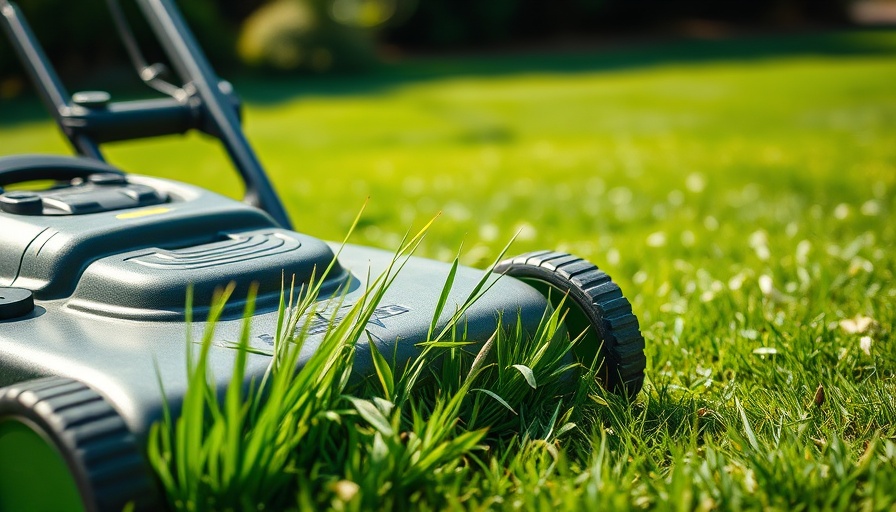
Lawnmower discharging grass clippings, highlighting mulching vs. side discharge.

The Ultimate Guide to Grass Clippings: Mulching vs. Side Discharge

When it comes to mowing your lawn, one question looms large: how should you manage those grass clippings? With two popular methods—mulching and side discharge—each promising certain benefits, how do you decide which one is best for your lawn care routine? In this article, we’ll explore the pros and cons of both mulching and side discharge while providing insights on how each method can affect your lawn’s health. Ultimately, the choice between mulching vs. side discharge hinges on personal preference, lawn conditions, and maintenance time.

What is Mulching and Why Should You Do It?

Mulching is the process of chopping grass clippings into small pieces, which then decompose quickly on your lawn, returning valuable nutrients to the soil. According to experts, mulched clippings can reduce fertilizer needs by up to one pound per 1,000 square feet annually. This practice not only feeds your lawn but can also enhance its overall health.

Pros and Cons of Mulching Clippings

  • Pros:
    • Retains nutrients: Returning clippings to the lawn enhances nutrient cycling.
    • Time-efficient: Cuts down on the time spent bagging and hauling clippings away.
    • Aesthetic appeal: Smaller clippings blend in better with the grass.
  • Cons:
    • Not ideal for tall or wet grass, as it could lead to clumping.
    • Requires more frequent cleaning of mower components.
    • Mowing speed can be slower than side discharge.

The Functionality of Side Discharge

Side discharge allows grass clippings to be expelled from the side of the mower deck, leading to less clogging compared to mulching. However, this method has its own set of considerations. Grass clippings left in piles can suffocate the grass below, leading to potential lawn health issues.

Pros and Cons of Side Discharge

  • Pros:
    • Faster mowing: Ideal for larger areas where rapid mowing is necessary.
    • Less maintenance required on the mower.
  • Cons:
    • Risk of debris being flung, which could damage plants or people nearby.
    • Piles of clippings can smother grass and may cause uneven lawn appearance.

Comparing Mulching and Side Discharge: Which is Better?

Experts argue about the merits of each method, but the choice ultimately depends on lawn conditions and personal preference. For homeowners aiming to conserve nutrients and enrich the soil, mulching stands out as the preferable option. Conversely, side discharge might be more suited for those aiming for efficiency in larger, manicured areas.

Addressing Common Misconceptions

One prevalent myth is that leaving grass clippings contributes to thatch buildup. Research indicates that mulched grass decomposes quickly, reducing this risk significantly. In fact, properly managed clippings can support a healthier lawn by enhancing soil moisture retention and nutrient availability.

Best Practices for Grass Clipping Management

To optimize the benefits of both methods, consider implementing a few simple guidelines:

  • Use a sharp mower blade to ensure a clean cut and even distribution.
  • Avoid mowing when grass is wet to prevent clumping, regardless of the method.
  • Adjust your mowing height periodically based on grass growth to avoid excessive clippings in one cycle.

Conclusion: Making an Informed Decision

Ultimately, the best method for handling grass clippings revolves around understanding your lawn's specific needs and your mowing habits. Whether you prefer the nutrient recycling advantages of mulching or the rapid efficiency of side discharge, each strategy carries its benefits and trade-offs. Assess your lawn, make adjustments based on your observations, and remember that proper mowing techniques will always lead to a healthier yard.

Now that you understand the implications of your choices regarding grass clippings, take the next step and refine your lawn care routine:

  • Experiment with both methods in different areas of your lawn to see which yields the best results.
  • Ensure your mower is properly adjusted for the method you choose.
  • Stay informed about the latest lawn care tips and innovations to keep your yard looking its best!
Lawncare

16 Views

0 Comments

Write A Comment

*
*
Related Posts All Posts
02.17.2026

Master Lawn Care by Avoiding These Common Fertilizer Mistakes

Update The Critical Role of Fertilizer in Lawn Care For any homeowner, maintaining a lush, green lawn presents both a challenge and an opportunity. Fertilization serves as a cornerstone in this effort, supplying essential nutrients that promote vibrant grass and healthy soil. Yet, many individuals fall into the trap of common errors when applying fertilizer, which not only lessens the aesthetic appeal of their lawns but also poses environmental risks. Understanding and avoiding these missteps can make a significant difference in achieving the lawn of your dreams. Avoiding Watering Missteps One of the biggest mistakes that homeowners make is neglecting to water their lawns after fertilization. The rationale behind this practice is simple: the fertilizer must be properly absorbed into the soil to provide any nutritional benefits. When granular fertilizers are left sitting on the blades of grass, it risks scorching the lawn. To combat this, ensure that you water for about 15-20 minutes immediately after application, effectively washing the fertilizer into the soil. Liquid fertilizers require a bit of patience—wait 2-4 hours before watering to allow the nutrients to be effectively absorbed. Knowing Your Lawn’s Nutritional Needs One of the pitfalls is applying the wrong type of fertilizer. Many homeowners opt for convenient all-purpose options that may not align with their lawn’s specific requirements. Soil testing is invaluable in this regard, providing insight into which nutrients are lacking. Matching the fertilizer’s NPK ratio with soil needs is an effective way to avoid unnecessary nutrient runoff and ensure that every application serves a purpose. The Risks of Over-Fertilizing While it may be tempting to boost growth by applying more fertilizer, this approach can backfire. The excessive application not only risks burning the grass but can also lead to increased nutrient runoff that contaminates ground and surface water. The solution? Always adhere to the measures specified on the packaging and consider diluting over-applied fertilizer with plenty of water if necessary. As expert Damon Abdi advises, if you've applied a water-soluble fertilizer, water heavily to leach out the excess. Timing is Everything Like all good things, timing is crucial when it comes to fertilization. Applying fertilizers during dormancy phases or during extreme heat can yield disastrous results. For healthy growth, early spring applications are ideal post-winter, while late fall may also be appropriate for certain lawns. Experts warn against stimulating new growth right before cold conditions arrive, adding the risk of frost damage. Observation is key: watch for the right cycles of your plants and adjust accordingly. Avoiding Fertilizing Mistakes in Hot Weather In summer, many homeowners neglect the potential harm of applying fertilizer when temperatures are at their peak. Fertilizers can exacerbate heat stress, drawing moisture from plants instead of delivering nutrients. As suggested, schedule your applications for early mornings or late afternoons to mitigate this risk. This simple adjustment could make a drastic improvement in how your grass responds. The Importance of Consistent Application Uneven fertilizer application often leads to spotted or streaky lawns. For a uniform and healthy appearance, ensure that you are applying fertilizer evenly. Tools like broadcast spreaders can help achieve better coverage. Over time, you can develop a rhythm that works best for your lawn and allows you to test different approaches to find the perfect fit. Conclusion: The Knowledge You Need for a Thriving Lawn Every homeowner desires a picturesque lawn, yet the learning curve can be steep. By identifying these common mistakes and taking actionable steps to avoid them, you can create an environment that nurtures instead of hinders your lawn’s growth. If implementing these practices feels overwhelming, considering a consultation with lawn care professionals can guide you in the right direction. Understanding the intricacies of fertilization is the key to transforming not only the appearance of your lawn but ensuring its health for the long term.Ready to elevate your lawn care game? Explore options like personalized lawn plans to take the guesswork out of the process.

Terms of Service

Privacy Policy

Core Modal Title

Sorry, no results found

You Might Find These Articles Interesting

T
Please Check Your Email
We Will Be Following Up Shortly
*
*
*