
cropper
HOME SERVICE HUB

Home Improvement, HVAC & Local Service Guides

  • Home
  • Categories
    • Smart Home Solutions
    • Gardening
    • Landscaping
    • Home Exterior
    • Outdoor Living
    • Smart Homes
    • Lawncare
    • Lighting Solutions
    • Plumbing Tips
  • Featured Business Profiles
March 20.2025
3 Minutes Read

Transform Your Home’s Energy Efficiency: Why Thermal Energy Networks are Essential

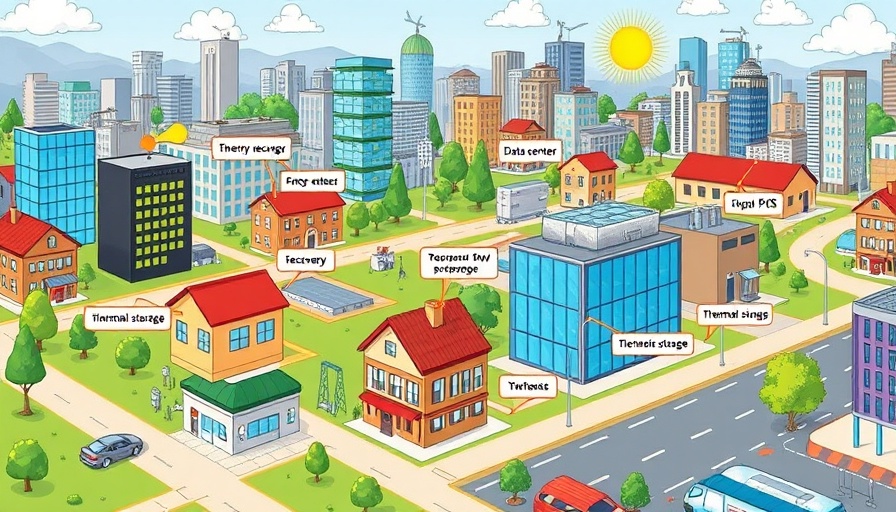
Illustration of Thermal Energy Networks with various labeled systems and buildings.

The Future of Sustainable Energy: Thermal Energy Networks Explained

As greenhouse gas emissions continue to rise, homeowners are increasingly seeking ways to improve energy efficiency in their residences. One of the most promising solutions is the implementation of Thermal Energy Networks (TENs)—modern systems designed to distribute and reuse energy effectively. This continuation of our exploration into TENs delves deeper into their transformative potential, especially for homeowners looking to upgrade their plumbing and heating systems.

Connecting Your Home to a Thermal Energy Network

The beauty of TENs lies in their versatility and adaptability. Whether you live in a single-family home or a multi-tenant apartment building, the connection process generally involves a decoupled secondary loop. This secondary loop features a circulator pump that maintains a consistent flow rate necessary to meet heating demands. Unlike traditional systems that may use balancing valves, the sophisticated controls in TENs allow for automated adjustments, ensuring maximum efficiency while reducing energy waste.

Understanding BTUs and Flow Rates in TENs

For homeowners wondering how much energy their systems can deliver, understanding the relationship between BTUs and flow rates is crucial. BTUs, or British Thermal Units, are a measure of heat energy. A simple equation can help you determine how many gallons per minute (GPM) your system needs based on your specific heating requirement. For instance, if your home requires 120,000 BTUs at a 10°F temperature differential, the GPM required would be 24. This critical calculation will enable homeowners to understand how their systems must adjust based on varying conditions.

Why Upgrading to TENs Can Cut Energy Costs

With energy prices fluctuating, many homeowners are looking for ways to reduce their bills. TENs offer a remarkable solution by recapturing thermal energy that would ordinarily be wasted. By employing a mix of renewable and traditional energy sources, these networks can significantly cut costs while also contributing to lower carbon emissions. For users, this translates to not only savings on energy bills but also a more sustainable energy usage pattern.

Real-Life Applications: Homeowner Success Stories

These advantages are not hypothetical. Several communities have already started implementing TENs with impressive results. For example, a recent installation in a suburban area resulted in a 30% reduction in annual heating costs for residents while significantly lowering the community’s carbon footprint. Homeowners who embraced TENs reported not just financial savings but also increased comfort levels in their homes.

Potential Challenges in Transitioning to TENs

However, the shift to Thermal Energy Networks isn't without its challenges. For many homeowners, the initial cost of retrofitting or connecting to a TEN can feel daunting. Additionally, the availability of skilled professionals to manage such installations may vary widely across regions. Moreover, it’s important to understand local regulations regarding energy systems, which could affect the feasibility of a TEN.

How to Prepare Your Home for TEN Integration

Homeowners interested in upgrading should consider conducting a home energy audit to assess their current systems. By understanding where energy is being wasted, homeowners can better plan for integration with TENs. Collaboration with professionals knowledgeable in thermal energy systems is also crucial for smooth implementation.

A Sustainable Future Awaits

As communities begin to recognize the need for sustainable solutions, those who invest in upgrades like TENs may find themselves not only saving money but also contributing to a healthier planet. With energy costs rising and climate change a pressing issue, now is the time for homeowners to explore sustainable upgrades. Together, we can create a future where energy is effectively managed and conserved.

Interested in learning more about how you can upgrade your home’s energy systems? Take the first step towards sustainability by researching Thermal Energy Networks and speak to local energy experts today.

Plumbing Tips

5 Views

0 Comments

Write A Comment

*
*
Please complete the captcha to submit your comment.
Related Posts All Posts
08.27.2026

Exploring the Longevity of Geothermal Ground Exchanger Piping for Homeowners

Update The Importance of Geothermal Ground Exchanger Piping Longevity In recent months, the Plastics Pipe Institute (PPI) has addressed a critical area in geothermal energy systems: the longevity of geothermal ground heat exchanger (GHX) piping. This focus is especially significant for homeowners looking to upgrade their plumbing fixtures with energy-efficient solutions, such as ground-source heat pumps (GSHP). These systems rely heavily on the durability and performance of their piping materials, which are paramount for long-term success. Approved Materials for Geothermal Systems The PPI has released a new document outlining the design life of plastic piping used specifically in GHX systems. For geothermal applications, parameters such as corrosion resistance and thermal endurance of the piping material directly influence overall system reliability. Through comprehensive studies and historical data dating back to the pioneering work in the 1970s, it has become evident that materials like high-density polyethylene (HDPE) have become standard. In 2008, the extension of approved materials began with crosslinked polyethylene (PEX), followed by polyethylene of raised temperature resistance (PE-RT). Understanding Design Life vs. Service Life One important distinction homeowners should understand is between design life and service life. According to Lance MacNevin, P. Eng., a senior director at PPI, design life refers to the projected operational life under standard conditions, while service life reflects how long the piping actually lasts in practice. Although certain HDPE materials can have an impressive projected design life exceeding 100 years in municipal applications, GHX applications introduce additional complexities, notably from varying operational conditions. Challenges to Piping Longevity Several operational variables can impact the longevity of GHX piping. Fluctuating temperatures, changes in internal hydrostatic pressure, and potential damage during installation in boreholes can decrease their effectiveness. It becomes crucial for homeowners to ensure that their systems are correctly designed and installed according to industry standards. The PPI conservatively suggests that well-specified and installed plastic piping typically has a design life of over fifty years. Future of Geothermal Technology As we look toward the future, it is essential to consider how ongoing innovations will continue to shape the landscape of geothermal technology. With each step toward improved materials and installation practices, homeowners will benefit not just from immediate energy savings but also from prolonged durability of their investment. Furthermore, this emphasis on longevity could point toward a more significant trend in building sustainable, eco-friendly homes. Final Thoughts on Upgrading Plumbing Fixtures The information from the PPI helps clarify the nuances involved in selecting appropriate piping for geothermal systems. For homeowners eager to upgrade plumbing fixtures or retrofit existing systems, understanding the implications of piping material choice can assist in making informed decisions. Not only does this knowledge empower homeowners to seek reliable contractors, but it also helps foster an appreciation for sustainable energy solutions. In conclusion, as homeowners explore advancements in plumbing technologies, prioritizing the longevity and reliability of geothermal ground exchanger piping will ensure they maximize the efficiency and effectiveness of their energy solutions. If you’re considering a geothermal upgrade or just curious about energy-efficient home solutions, it’s essential to stay informed on the latest developments and best practices.

08.26.2026

Transform Your Home with ClimateMaster Geothermal Technology for Energy Efficiency

Update Harnessing Geothermal Power for Energy Efficiency In an era where energy conservation is crucial, the introduction of geothermal technology at Fort Sill Military Housing marks a significant step forward. This innovative approach not only aims to reduce energy costs but also provides a cleaner, more sustainable option for heating and cooling homes. Unlike traditional systems that rely on fossil fuels, geothermal systems use the Earth’s natural temperature to regulate indoor climates. By tapping into the Earth’s consistent temperature beneath the surface, these systems provide an environmentally friendly solution that aligns with the growing public demand for sustainable living. The Advantages of Geothermal Systems Geothermal systems, like those installed at Fort Sill, boast numerous benefits. They can significantly decrease energy consumption due to their efficient design—allowing homeowners to experience up to a 70% reduction in heating and cooling costs. This kind of efficiency translates to substantial savings on utility bills over time. Not only do geothermal installations often qualify for federal incentives, but many states also provide rebates or tax credits, making them an attractive investment. Furthermore, because these systems rely less on external energy sources, homeowners may be less vulnerable to fluctuating energy prices. Impact on Homeowners For homeowners eyeing upgrades in their residences, such technology could be a game changer. Although the initial investment for geothermal systems may be higher than those for traditional heating and cooling systems, the long-term savings and environmental impact can be remarkable. Features like improved air quality and lower maintenance requirements make geothermal systems a compelling choice. With fewer moving parts than conventional systems, geothermal units tend to require less frequent repairs and have longer lifespans, translating to even greater cost-effectiveness. Future Trends in Home Energy Solutions As more regions adopt green technologies, we can expect to see increased interest in geothermal systems across residential markets. Local energy codes and regulations are evolving, often incorporating renewable technologies into building standards. This shift not only enhances individual property values but also contributes to broader environmental goals. Community awareness about climate change is prompting many homeowners to consider energy-efficient upgrades, making geothermal systems increasingly relevant in today’s real estate market. Homeowners are also becoming more savvy about energy management, utilizing smart home technologies to maximize efficiency. Geothermal systems can integrate seamlessly with these digital solutions, allowing homeowners to monitor and adjust settings remotely, further optimizing energy use. Challenges and Considerations Despite its advantages, homeowners should approach geothermal technology with a complete understanding of the challenges involved. Installation complexity, site requirements, and potential disruptions during installation require careful consideration. For example, the installation process typically necessitates excavation and adequate outdoor space, which could pose challenges for properties with limited yard size. Moreover, some homeowners may need to address local regulations or zoning laws that could affect installation. However, with proper planning and execution, the benefits significantly outweigh the initial hurdles. It's also useful for potential users to research credible geothermal contractors and seek out testimonials or case studies to understand better the installation process and ongoing maintenance requirements. Conclusion: Embracing Sustainable Solutions The integration of ClimateMaster geothermal technology at Fort Sill is a prime example of how innovation can lead to more efficient energy use in military housing and beyond. Homeowners looking to modernize their plumbing systems and overall home energy efficiency should certainly consider geothermal systems as a viable option. As technology continues to evolve and awareness of its benefits grows, the case for geothermal energy in residential settings becomes increasingly compelling. To stay ahead in home energy management, further exploration of geothermal technology and its advantages is not just beneficial but essential. By investing in such sustainable solutions, homeowners can plan for a greener future while enjoying the financial rewards of energy efficiency.

08.23.2026

7 Warning Signs Your Plumbing Needs Immediate Attention

Update Detecting Plumbing Issues Early As a homeowner, it's essential to stay vigilant about the condition of your plumbing system. Recognizing the signs of potential problems can save you significant time and money in repairs down the line. Here, we identify crucial warning signs that indicate that your plumbing may require immediate attention, ensuring your home remains comfortable and safe. Unusual Noises: A Cry for Help Unexplained noises—such as banging, gurgling, or hissing—can indicate underlying plumbing issues. If your pipes make sounds that seem out of the ordinary, it’s a good idea to investigate the source. Banging pipes might suggest that there are loose fittings or valves needing adjustment, while gurgling could signify a blocked drain. Addressing these noises promptly can prevent larger problems from developing. Water Stains and Damage: More than Just Eye-Candy Keep an eye out for water stains on ceilings, walls, or around fixtures. These stains are often a direct result of plumbing issues, such as leaking pipes or faulty appliances. Ignoring these stains can lead to more extensive damage, including mold growth and structural issues. If you notice discoloration or swelling, take it as a cue to investigate further. Slow Drains: An Early Indicator If water is draining slowly from your sinks, bathtubs, or showers, don’t chalk it up to merely needing a good cleaning. Slow drains can serve as an early warning sign of clogs accumulating in your pipes. Holiday gatherings or everyday cooking can exacerbate these issues. To prevent major plumbing mishaps, regular maintenance and a proactive approach to addressing clogs are essential. Low Water Pressure: The Silent Trouble Experiencing low water pressure throughout your home? This long-term concern might suggest plumbing leaks or obstructions within your pipes. Low water pressure can also indicate a serious issue within your plumbing that requires immediate repairs. It’s a good idea to evaluate your plumbing system regularly, as low pressure can drastically hinder daily activities. High Water Bills: An Unexpected Surprise Expecting a manageable water bill but experiencing an unexpected spike? This change can indicate a leak somewhere in your plumbing system, drawing attention to potential unnoticed issues. Inspect visible pipes for any indication of leaks. Investing in periodic plumbing check-ups can assist you in catching these problems before they escalate and cause more significant damage. Regular Maintenance: Your Best Defense Adopting a routine plumbing maintenance schedule goes a long way toward identifying issues before they become significant headaches. Regular inspections can identify clogged drains or faulty fixtures and can even lead to smarter choices about upgrading to more efficient plumbing solutions. Efficient plumbing fixtures not only enhance the functionality of your home but also offer considerable savings in water bills. Conclusion and Proactive Recommendations Homeownership entails taking responsibility for several critical systems within your home — plumbing being one of the most vital. By being mindful of common plumbing warning signs and scheduling regular inspections, you can maintain the integrity of your home's plumbing system. Should you observe any concerning signs, taking prompt action can help avoid extensive repairs and ongoing headaches. Don't wait until something breaks; be proactive! **Want to elevate your home’s plumbing system?** Consider upgrading your plumbing fixtures with smart technology, ensuring increased efficiency and performance. Reach out to local professionals today and take the first step toward a smarter solution for your home.

cropper
HOME SERVICE HUB

Homeowners seeking trusted advice and resources for maintaining and improving their properties

COMPANY

  • Privacy Policy
  • Terms of Use
  • Advertise
  • Contact Us
  • Menu 5
  • Menu 6

949-375-3833

AVAILABLE FROM 8AM - 5PM

Huntington Beach, CA

18685 Main Street 101-228
Huntington Beach, CA 92648

ABOUT US

Home Service Hub is a subsidiary of High Octane Digital Group.

© 2026 CompanyName All Rights Reserved. Address . Contact Us . Terms of Service . Privacy Policy

Terms of Service

Privacy Policy

Core Modal Title

Sorry, no results found

You Might Find These Articles Interesting

T
Please Check Your Email
We Will Be Following Up Shortly
*
*
*