
HOME SERVICE HUB
  • Home
  • Categories
    • Smart Home Solutions
    • Gardening
    • Landscaping
    • Home Exterior
    • Outdoor Living
    • Smart Homes
    • Lawncare
    • Lighting Solutions
    • Plumbing Tips
  • Featured Business Profiles
March 20.2025
3 Minutes Read

Transform Your Home with Stunning Side Garden Pathway Designs

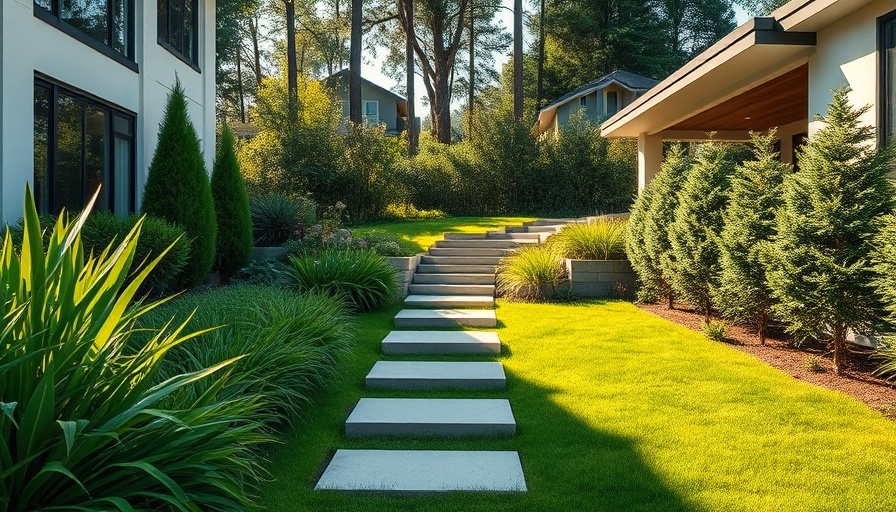
Beautiful side garden pathway design idea with stone steps, lush plants.

Transforming Underutilized Spaces: The Power of Side Garden Pathways

The side garden is often overlooked in landscaping, relegated to utility rather than embraced as a feature. Designing a side garden pathway can dramatically enhance both aesthetic appeal and usability. This area can be more than just a passage; it can serve as a stunning welcome to your home. A well-structured side garden pathway not only guides foot traffic but also adds to the overall ambiance of your property. By strategically placing pathways, homeowners have the opportunity to create an inviting landscape that draws the eye and adds value to their property.

In SIDE HOUSE GARDEN PATHWAY DESIGN IDEAS, we explore the overlooked but vital aspects of outdoor spaces, revealing how they can boost both beauty and functionality in home landscapes.

Benefits of Designing a Side Pathway

Aside from aesthetic enhancements, well-designed side pathways offer numerous practical benefits. They enhance accessibility, preventing damage to your surrounding garden. The pathway serves as a stable surface during inclement weather, making garden maintenance easier. In addition, these pathways can visually elongate and widen narrow spaces, offering a sense of depth and openness with carefully selected materials and layouts.

Moreover, a good pathway design contributes to improved drainage, important for preventing soil erosion and waterlogging around your home. Homeowners looking to increase curb appeal will appreciate paths that not only create structure but also enhance property value, presenting their homes in a pleasing manner. For gardening enthusiasts, such designs provide organized access to plants, making it convenient for maintenance and care.

Decorating Your Side Garden Pathway: Essential Tips

While functionality is pivotal, the visual components of your side pathway cannot be overlooked. Here are some tips to consider when enhancing this often-forgotten space:

  • Strategic Lighting: Incorporate low voltage lights to highlight textures while providing a warm atmosphere that invites evening strolls and gatherings.
  • Plant Selection: Choose flora that complements your pathway style, considering elements such as height and color.
  • Edge Definition: Use materials like brick or stone for a neat, polished look which also helps in soil retention.
  • Decorative Elements: Small garden ornaments or water features can transform an ordinary space into an extraordinary one.
  • Seating Areas: If space allows, add benches to create a cozy nook for relaxation.
  • Vertical Interest: Utilize trellises or arbors to soften the hard lines of your pathway.
  • Material Variation: Mix different materials to enhance visual interest and break monotony.

Materials Matter: Choosing the Right Pathway Components

Your selection of pathway materials can substantially dictate the overall effectiveness and beauty of the side garden path. Here are materials to consider:

  • Natural Stone: Flagstone or slate can provide a classic rustic charm.
  • Brick: A timeless option that can adapt to various garden styles.
  • Concrete Pavers: Versatile and durable, perfect for personalized pathways.
  • Gravel: A cost-effective option that offers good drainage.
  • Wood Planks: Wood can provide a warm natural feel, perfect for dry garden areas.
  • Permeable Pavers: Environmentally friendly choices that help manage water runoff.

Choosing the right materials involves considering your budget and how well they fit into the overall design scheme of your home and garden.

Conclusion: Crafting an Experience in Your Side Garden

Designing an inviting and functional side garden pathway transforms this often-neglected area into a cherished retreat. Through strategic planning, the incorporation of decorative elements, and choosing the right materials, homeowners can create paths that are both beautiful and functional. Not only do these pathways enhance the aesthetic and usability of the space, but they also add significant value, making them a worthwhile investment for any homeowner looking to improve their property feel and function.

If you’re looking to elevate your home’s outdoor living experience, it’s time to consider how design elements like a side garden pathway can play a role in your landscaping. Start planning your transformation today!

Outdoor Living

18 Views

0 Comments

Write A Comment

*
*
Please complete the captcha to submit your comment.
Related Posts All Posts
05.25.2026

Discover Dense Planting Ideas for a Lush, Weed-Free Garden

Update Transform Your Garden with Dense Planting Techniques For homeowners aspiring to cultivate a lush and inviting garden, dense planting is more than just an aesthetic choice; it’s a practical approach to achieving rich beauty and minimizing weed growth. Dense planting techniques not only help create that iconic cottage garden look, but they also shield the soil, ensuring that weeds have less opportunity to sprout amid the beautiful flora. Here, we explore a variety of options that homeowners can implement to achieve their dream garden. The Allure of Classic Cottage Garden Compositions The quintessential English cottage garden radiates charm with its layered plantings and colorful displays. For a traditional feel, consider combining tall roses with vibrant salvia and soft catmint. This trio not only offers a classic look but fulfills multiple roles, from providing structure and texture to achieving vibrant colors. By arranging taller plants at the back, medium plants in the center, and lower plants at the front, you’ll create a harmonious and visually stunning display that leaves little bare soil available for weeds to settle. Ground Covers: Nature's Carpet Against Weeds For garden paths that are prone to weed growth, using ground cover plants like creeping thyme or Irish moss can transform these spaces into natural carpets. These lower-growing plants effectively spread into gaps, offering a lush appearance and softening hard surfaces. As they grow together, they form a living blanket underfoot, enhancing the garden's beauty while providing a strong barrier against weeds. Pollinator-Friendly Borders Brimming with Life Incorporating a pollinator garden can breathe vitality into your outdoor spaces. By planting vibrant coneflowers, lavender, and black-eyed susans in clusters rather than rows, you not only create an inviting space for bees and butterflies but also ensure that the soil remains well-covered. This method not only enriches biodiversity but also supports the garden's health by encouraging pollination, which is essential for flourishing plants. Stylish Solutions for Shaded Spaces Shady areas can often feel sparse and uninviting. By integrating bold plants like hydrangeas and hostas, you can easily fill these voids while creating a lush, layered effect that's pleasing to the eye. The large leaves of hostas accompanied by the vibrant blooms of hydrangeas provide both textural variation and visual appeal, while their density stifles weed growth effectively. Maximizing Space in Raised Garden Beds Raised garden beds offer an excellent opportunity for dense planting of vegetables and herbs. By utilizing companion planting techniques, you can maximize every inch of soil, creating a productive and visually appealing space. Consider pairing tall plants like tomatoes with compact herbs like basil and marigolds to not only save space but also deter pests naturally, further reducing maintenance while enhancing garden aesthetics. Lavender and Grasses: A Low-Maintenance Beauty By combining lavender with ornamental grasses, you can create a textured, layered border that is both functional and attractive. This combination provides a pleasing contrast between the soft mounds of lavender and the graceful movement of grasses. Such pairings can help establish a thick border that fills in gaps quickly, perfect for homeowners looking for low-maintenance aesthetics. Woodland Gardens: The Beauty of Dense Foliage Woodland gardens, characterized by the shadowy beauty of ferns and heucheras, offer a tranquil retreat within your landscape. These plants thrive in shady conditions and create layers of foliage that impede weed growth while adding a lush feel to your garden space. A well-planned arrangement of various ferns and heuchera varieties can establish an alluring habitat that feels serene and peaceful. A Rich Tapestry of Color: Selecting the Best Plants When creating a dense planting scheme, choose a diverse range of plants that bloom in various seasons, ensuring that your garden remains lively and colorful year-round. For true cottage charm, mix perennials with self-sowing flowers and edible plants. Incorporate perennial favorites like peonies, hollyhocks, lavender, and sweet peas for a spectacle of color. Your Personalized Garden Journey Awaits Ultimately, creating a weed-free garden with cottage garden charm is an enjoyable journey of discovery. Plan your plantings, embrace the splendor of nature’s variety, and watch your garden flourish. By strategically layering and selecting a rich tapestry of plants, you will not only suppress weeds but also cultivate a space that captivates the senses. With these tips in hand, you’re empowered to craft a stunning garden. Remember: gardening is about creativity, joy, and a bit of trial and error. Dive into the world of dense planting, and let your garden bloom with wellness and beauty! To continue exploring innovative gardening ideas and options for your space, visit our comprehensive gardening resources. Transform your outdoor living space today!

05.25.2026

Elevate Your Home with Attached Pergola Design Ideas for Outdoor Living

Update Transform Your Outdoor Space with Attached Pergolas In the journey to create a home that blurs the lines between comfort and nature, attached pergolas emerge as a defining architectural feature. These versatile structures not only enhance outdoor living spaces but also seamlessly integrate with the existing beauty of our homes. For homeowners looking to elevate their outdoor experience, this trend offers a luxurious upgrade without requiring an extravagant budget.In ATTACHED PERGOLA TO HOUSE DESIGN IDEAS, we delve into how attached structures can redefine outdoor spaces, prompting a closer look at their benefits and designs. Alluring Architectural Benefits Choosing to add an attached pergola gives your home more than just aesthetic appeal. These structures, firmly anchoring to your house, inherently provide functional advantages as well. By reducing the need for multiple support posts, attached pergolas offer a cleaner visual alignment that promotes better flow within outdoor areas. This space-efficient design facilitates easier furniture arrangement, allowing homeowners to create uninterrupted zones for relaxation or entertainment while enjoying the natural beauty surrounding them. Energy Efficiency and Climate Control One of the most significant benefits of having an attached pergola is the immediate climate relief it provides. The shade offered helps maintain cooler temperatures within adjacent rooms, effectively lowering energy expenses in the summer months. With energy costs continuously on the rise, these structures serve as smart investments that not only enhance comfort but also promote energy efficiency within the home. Increasing Property Value through Thoughtful Design When considering home renovations, the return on investment is a top priority for many. The installation of an attached pergola amplifies curb appeal significantly. It transforms an uninspiring exterior wall into a captivating focal point. Potential buyers often view homes with such features as more desirable, which can lead to substantial boosts in property value. Choosing designs that complement your home’s architectural style increases aesthetic unity, making your property stand out in a competitive market. Choosing the Right Attached Pergola Style for Your Home There are numerous styles of attached pergolas to suit every taste and need, and selecting the right one enhances not only the utility of your space but also its visual charm. Whether your preference leans towards traditional wooden finishes or sleek modern metal designs, the possibilities are abundant. For those interested in DIY projects, constructing a simple wooden pergola can be an engaging endeavor that brings personal satisfaction while adding value to your home. Popular Styles of Attached Pergolas Simple Deck Pergola: This style creates an inviting atmosphere, enhancing spaces with adjustable shades for optimal comfort. Traditional Attached Pergola with Fireplace: Such a design blends warmth and elegance—ideal for creating cozy outdoor entertainment areas. Two-Tiered Designs: Adding a second tier to a pergola introduces visual intrigue while providing enhanced shade, capturing shifting light throughout the day. These options exemplify the versatility of attached pergolas and how they can cater to various aesthetics and functionalities in outdoor living. Final Thoughts on Your Outdoor Oasis As we navigate the nuances of designing our homes, it’s crucial to consider structures like attached pergolas that enrich our living spaces. They offer a way to create a seamless transition from indoor comfort to outdoor beauty, tailored to personal style. With so many design possibilities, attached pergolas change how we interact with our homes daily, making outdoor spaces a cherished part of our living experience. Reflect on the unique style that fits your home; be it modern, rustic, or somewhere in between, the addition of an attached pergola could redefine your outdoor living. Don't forget to assess how these changes impact your home's functionality and value. Interested in exploring more of these elevating design ideas? Consider engaging with local outdoor living specialists to maximize your home's potential now!

05.24.2026

Why Homeowners Should Consider Kebony Sustainable Decking Today

Update Discovering Kebony: The Sustainable Wood Revolution In a world increasingly aware of environmental challenges, sustainable building materials are no longer just a trend; they have become a necessity. One of the frontrunners in sustainable decking solutions is Kebony, a revolutionary wood product that offers homeowners an eco-friendly alternative to traditional tropical hardwoods like Ipe. With its impressive durability and aesthetic appeal, Kebony is not only considerate of the planet but also supports our efforts in crafting beautiful outdoor spaces. The Process Behind Kebony's Innovation Kebony is created through an innovative process called Kebonization, which enhances the properties of fast-growing wood species. This modification involves impregnating the wood with a bio-based liquid that alters its cell structure, dramatically increasing durability and preventing environmental damage. The final product is a stunning wood that, when left untreated, ages gracefully into a beautiful silver patina, making it an appealing choice for decks, docks, and outdoor furniture. The Benefits of Using Kebony in Your Home Choosing Kebony for your decking or cladding comes with several significant benefits. It boasts a maintenance-free life cycle and a warranty of up to 30 years. Unlike its tropical counterparts, Kebony is sourced from sustainably managed forests, alleviating concerns about illegal logging and ecological degradation. Furthermore, its health-conscious modification process ensures that no harmful substances leach into the environment, making it a safe choice for families. Kebony vs. Ipe: A Winning Comparison For homeowners considering decking options, a common question arises: How does Kebony stack up against Ipe? While Ipe is known for its aesthetic and strength, it comes with a heavy environmental cost. Kebony not only parallels Ipe's lasting beauty and durability, but it does so with less impact on our natural resources. Kebony’s unique modification process results in a wood that is easier to work with, making it a more practical choice for DIY projects or professional installations. Real World Applications of Kebony Wood Kebony is versatile, suitable for a variety of applications beyond decking. It can be used for cladding on homes, creating striking aesthetic facades. It's perfect for commercial spaces as well, offering lasting performance in high-traffic areas. Moreover, its resistance to decay and the elements make it ideal for marine applications and outdoor furniture. This adaptability highlights why more architects and designers are making Kebony their material of choice. The Emotional Connection to Sustainable Living Beyond its practical advantages, using Kebony also resonates on a personal level for many homeowners. Choosing materials that are sustainable can enhance our sense of responsibility toward the planet. By selecting Kebony, you not only invest in your home’s beauty but also contribute to sustainable practices that protect our forests and ecosystems for future generations. This emotional connection to one’s living space can foster a deeper appreciation for our environment. Conclusion: Step Towards a Greener Future As sustainability continues to take center stage in construction and home design, Kebony stands out as a leading choice for environmentally conscious homeowners. It not only delivers on beauty and durability but does so while promoting responsible forestry and reducing ecological footprints. For those ready to make a commitment to sustainable living, exploring Kebony decking options could be your first step to creating an outdoor haven that you can feel good about. Are you ready to transform your outdoor space while making a positive difference for the planet? Consider Kebony when planning your next deck or cladding project. Embrace the beauty of sustainability in your home today!

Terms of Service

Privacy Policy

Core Modal Title

Sorry, no results found

You Might Find These Articles Interesting

T
Please Check Your Email
We Will Be Following Up Shortly
*
*
*