
cropper
update
HOME SERVICE HUB
cropper
update

Home Improvement, HVAC & Local Service Guides

  • Home
  • Categories
    • Smart Home Solutions
    • Gardening
    • Landscaping
    • Home Exterior
    • Outdoor Living
    • Smart Homes
    • Lawncare
    • Lighting Solutions
    • Plumbing Tips
    • HVAC
  • Featured Business Profiles
January 07.2025
2 Minutes Read

Two Simple Techniques to Grow Beets from Seed for a Vibrant Garden

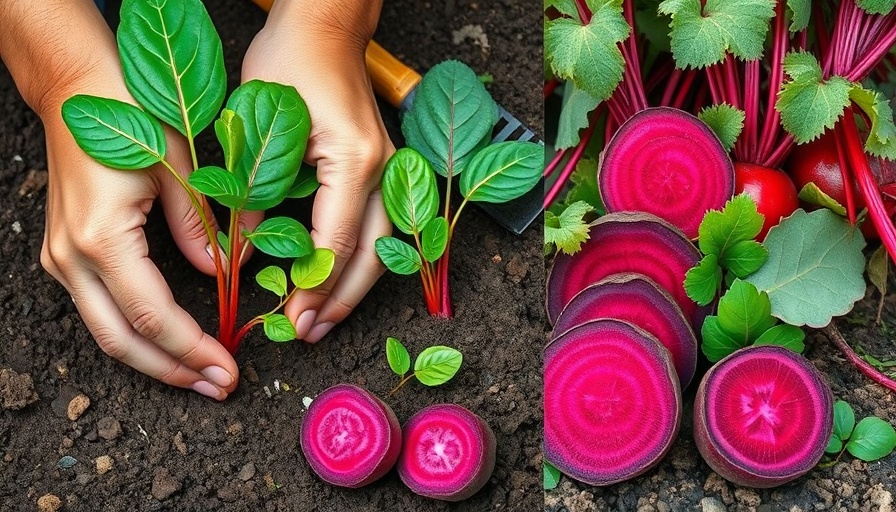
Educational collage on growing beets, seed to harvest.

The Best Time to Plant and Enjoy Beets

Growing beets from seeds is a rewarding task any garden enthusiast should try, especially if you're looking for dual-purpose veggies that offer both edible roots and leaves. Beets not only provide juicy roots but also healthy greens that are perfect for salads and stir-fry dishes. Planting beet seeds will set your garden on track to deliver fresh produce in just a couple of months.

Direct Sowing vs. Indoor Sowing: Which is Better?

When it comes to planting methods, home gardeners have two main options: direct sowing in the garden or starting seeds indoors. Direct sowing beet seeds is the more traditional and easier method, typically done when the soil reaches around 50°F (10°C). This technique results in beets that are uniform and eliminates the need for transplanting. Just plant seeds about 1/2 inch deep, one inch apart, and keep rows 12 to 16 inches apart for best results. However, starting seeds indoors under grow lights or using a bright window lets you enjoy quicker growth, with produce ready a few weeks before those directly sown.

Unique Benefits of Growing Beets

Apart from their earthy sweetness, beets are nutritionally rich. With an abundance of vitamins such as manganese and folate, as well as dietary fiber, they offer health benefits that are hard to ignore. For those seeking continuous yield, it's wise to engage in succession planting. Sowing seeds every 2-3 weeks from mid-spring through late summer will keep your root and greenery supply steady right till the fall's cooler months.

Helpful Story Examples

Consider Linda's summer garden, where she planted a mix of colored beets. By spacing her beets appropriately and tending to them with measured watering, she harvested a variety of radiant root vegetables and enjoyed the delicate tops in her meals. Whether she roasted, pickled, or simply steamed them, the versatility and rewards of growing her beets made the endeavor worthwhile.

Relevance to Current Events

With increasing interest in gardening as a hobby that promises self-sufficiency and wellbeing, growing beets offers an apt solution. As more people become conscious of their food sources, beets stand out for their quick growth cycle and minimal care needs, fitting well into the busy lifestyles of home-focused individuals.
Landscaping

18 Views

0 Comments

Write A Comment

*
*
Please complete the captcha to submit your comment.
Related Posts All Posts
11.25.2026

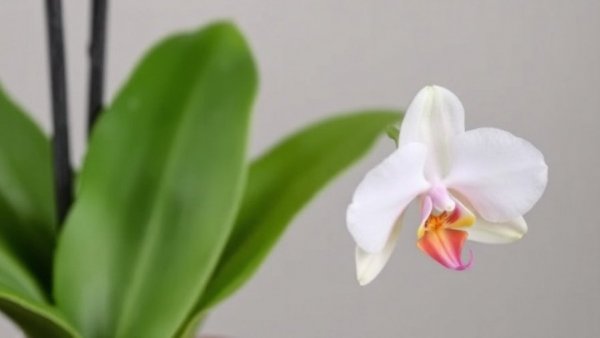
Orchid Leaves Drooping? Here Are 5 Common Issues and Fixes

Update Understanding Orchid Care FundamentalsIf you're new to cultivating orchids, it's essential to grasp some of the basics of their care. Orchids thrive in conditions that mimic their natural environments, which typically feature bright, indirect light, well-draining media, and high humidity. Being aware of the different orchid varieties, such as Phalaenopsis and Cypripedium, can also help you understand how to best care for your specific plant. The balance of moisture, air flow, and temperature all contribute to a healthy orchid.Beware of Watering Missteps That Lead to Orchid DistressWatering issues are the most common culprits for drooping orchid leaves. Both overwatering and underwatering demand attention for orchid success.Too Much Water: Overwatered orchids often show symptoms such as yellowing leaves and brown, mushy roots, indicating root rot. In the wild, orchids enjoy access to fresh air and intermittent rain, so when we cultivate them at home, it’s crucial to replicate these natural conditions.Too Little Water: On the flip side, an under-watered orchid will have shriveled leaves and a pot that feels exceptionally light—definite indicators that it needs hydration. The key is consistency. Rather than watering on a strict schedule, observe the plant and allow its conditions to guide your timing.Lighting: The Sun’s Role in Orchid HealthFinding the Right Spot: Most orchids benefit from bright, filtered sunlight. If you position your plant in a location with too much direct sun, it can scorch the leaves, leading to droopiness. Conversely, too little light can impede photosynthesis, stunting growth.Consider the light in your home and select a location that balances brightness while avoiding harsh midday sun. If you're using grow lights, ensure these simulate the conditions of indirect natural light.Temperature and Humidity: Essential for Orchid VitalityOrchids are tropical by nature, thriving best in warm temperatures with high humidity. A sudden drop in temperature or dry air can lead to drooping leaves.Keep your orchids in temperatures ranging from 65 to 75°F during the day, and never below 60°F at night. To increase humidity, consider using a humidity tray or misting your orchids regularly.Pests and Pathogens: Hidden Threats to OrchidsEven the healthiest orchids can be susceptible to pests and diseases. Common pests include aphids and mealybugs, which can sap the plant of nutrients. Fungal infections may also occur if conditions are too damp.Regularly inspecting your orchids for signs of infestations, such as discolored leaves or tiny webs, will enable you to take proactive measures. A gentle soap solution can often eliminate pests, and ensuring good air circulation will help keep fungal growth at bay.Concluding Thoughts: Empowering Orchid EnthusiastsIn summary, understanding the intricacies of orchid care can prevent drooping leaves and ensure these beauties thrive. By addressing watering issues, ensuring proper lighting, maintaining optimal temperature and humidity, and keeping an eye out for pests, you can nurture healthy orchids that bring vibrant color to your space.Gardeners can often feel a bit overwhelmed when caring for delicate plants. Take comfort in knowing that with awareness and practice, your orchids can flourish. For those looking to deepen their gardening skills, consider exploring additional resources, workshops, or local gardening clubs, which can offer community support and further knowledge on nurturing diverse plant species.

10.16.2026

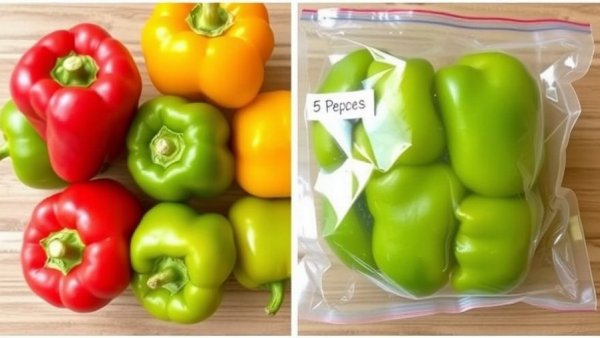
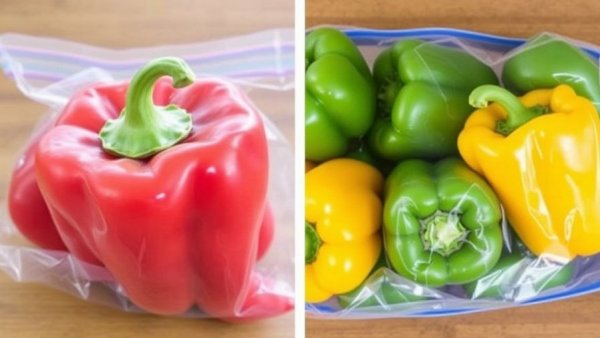
A Homeowner's Guide to Freezing Bell Peppers from Your Garden

Update Why Freezing Bell Peppers is a Smart Choice for Home Gardeners As the crispness of fall sets in and your garden's bounty reaches full bloom, homeowners may find themselves facing a dilemma: what to do with an abundance of bell peppers? Freezing is a practical and effective way to preserve the flavor and nutrition of your fresh harvest. Not only does this method prevent waste, but it also turns your vibrant harvest into convenient meal-ready options. Step-by-Step Guide on How to Freeze Bell Peppers Freezing bell peppers is one of the simplest preservation methods, requiring minimal equipment and time. Follow these straightforward steps to ensure your peppers remain fresh: Wash: Rinse each pepper thoroughly under cool water to remove any dirt. Seed and Cut: Slice the peppers in half, remove the seeds, and cut into strips or chunks based on your cooking preference. Freeze: Place the cut peppers in a single layer on a baking sheet and freeze until solid. Once frozen, transfer them to airtight freezer bags. Label and Store: Be sure to label your bags with the date to keep track of their freshness. Choosing the Best Peppers for Freezing Quality matters when it comes to freezing bell peppers. Select firm, brightly colored peppers that are free from blemishes. Red, yellow, green, and orange varieties all freeze well, but for guaranteed sweetness, harvest them at peak ripeness. For optimal flavor and texture, avoid any with soft spots or insect damage. The sooner you freeze the peppers after harvest, the better. This quick action helps preserve their nutrient content and vibrant color, ensuring that they taste as close to fresh as possible when you thaw and use them later. Pros and Cons of Blanching Before Freezing One of the great benefits of freezing bell peppers is that they do not require blanching. Many vegetables benefit from blanching as it helps to retain color and flavor while also slowing enzyme action. However, with bell peppers, freezing them raw preserves a crisper texture. If you choose to blanch for personal preference, remember that: Blanching halves requires about 3 minutes, while strips need around 2 minutes in boiling water. Always follow blanching with immediate cooling in ice water to halt the cooking process. If you plan on using your frozen peppers within 6-8 months, skipping the blanching step can save time and maintain a fresher take on your favorite recipes. Creative Ways to Use Frozen Bell Peppers Frozen bell peppers become versatile ingredients for a variety of dishes. Whether you toss them into your favorite soups, stir-fries, or omelets, their flavor remains intact despite the change in texture. Their vibrant hues can add visual appeal to any meal, reminding you of warmer garden days even in the depths of winter. When preparing dishes where raw texture isn't critical, such as sauces or casseroles, frozen peppers shine and can speed up your cooking process. Final Thoughts on Preserving Your Harvest Freezing bell peppers is not only an effective way to extend your harvest, but it also offers convenience, saving you time in meal prep. As you enjoy your delicious home-cooked meals enhanced by your garden's flavors, you'll appreciate the foresight of preserving bell peppers for later use. So, gather those beautiful peppers and put them in your freezer—your future self will be thankful! To make your gardening experience even more fulfilling, continue exploring the various tips and techniques that can augment your home gardening skills, ensuring a fruitful and rewarding gardening season year-round.

10.15.2026

Master the Art of Freezing Bell Peppers: A Guide for Home Gardeners

Update Why Freezing Bell Peppers is a Smart Gardening StrategyAs summer fades and autumn approaches, many gardeners find themselves with an overabundance of bell peppers. Instead of letting these vibrant vegetables spoil, freezing them is an effective way to preserve their flavor and extend their shelf life well into the colder months. Not only does this method save you money by minimizing waste, but it also provides quick and easy ingredients for future meals.The Simple Freezing Process UnveiledFreezing bell peppers from your garden is a straightforward process that requires minimal preparation. Unlike canning, which involves jars and intricate procedures, freezing simply involves washing, seeding, cutting, and storing. Simply wash your peppers, slice them into your desired shape, and place them in labeled freezer bags. With this approach, you can have ready-to-use peppers for soups, stir-fries, and sauces—all without the time-consuming chopping when you're ready to cook!One insider tip is to freeze the peppers in strips, as this makes it easier to pull out just the amount you need for a recipe, eliminating food waste and saving you valuable prep time.Choosing the Best Peppers for FreezingWhen it comes to selecting bell peppers for freezing, quality matters. Aim for firm, freshly picked peppers with glossy skin—these will produce the best flavor and texture once thawed. It is essential to avoid any peppers that show signs of rot or damage, as this can affect the quality of your frozen produce. The best practice is to freeze them on the same day you harvest or at least as soon as possible after picking.Harvesting Tips for Optimal FlavorHarvesting your bell peppers is another critical step in the freezing process. Use clean garden snips to cut the peppers from the plant. This method not only reduces damage to the plant but also facilitates clean cuts that help in preserving the integrity of the fruit. If frost threatens, you can pick your peppers at any stage of growth; however, fully mature peppers offer the sweetest flavor, so it is beneficial to wait until they reach their peak size and color when possible.No Blanching Needed: Keep It SimpleOne of the best parts of freezing bell peppers is that you don’t need to blanch them first. Blanching can help maintain texture and flavor in some vegetables, but raw, frozen peppers retain their crispness and flavor while being quicker to prepare. The general rule is that if you plan to use your peppers within 6 to 8 months, skipping the blanching entirely does not compromise quality.The Flavor Benefits of FreezingMany gardeners learn that freezing not only extends the shelf life of their vegetables but also helps maintain the sweet, fresh flavor of garden-grown peppers. Unlike fresh ones, frozen peppers are best used in cooked dishes since freezing can alter their texture. They will lend their vibrant taste to your meals while adding a splash of color, making them an attractive addition to any dish.Take Action: Preserve Your HarvestAs summer winds down and the harvest season approaches, now is the perfect time to maximize your gardening efforts by preserving your bell peppers. By freezing your peppers, you can enjoy your homegrown produce all year long. So, when that first frost approaches, don't delay—pick your peppers, freeze them, and prepare for countless culinary creations!

cropper
update
HOME SERVICE HUB
cropper
update

Homeowners seeking trusted advice and resources for maintaining and improving their properties

  • update
  • update
  • update
  • update
  • update
  • update
  • update

COMPANY

  • Privacy Policy
  • Terms of Use
  • Advertise
  • Contact Us
  • Menu 5
  • Menu 6

(949) 375-3833

AVAILABLE FROM 8AM - 5PM

Huntington Beach, CA

18685 Main Street 101-228
Huntington Beach, CA 92649

ABOUT US

Home Service Hub is a subsidiary of High Octane Digital Group.

© 2026 Home Service Hub All Rights Reserved. 18685 Main Street 101-228, Huntington Beach, California 92649 . Contact Us . Terms of Service . Privacy Policy

eyJjb21wYW55IjoiSG9tZSBTZXJ2aWNlIEh1YiIsImFkZHJlc3MiOiIxODY4NSBNYWluIFN0cmVldCAxMDEtMjI4IiwiY2l0eSI6Ikh1bnRpbmd0b24gQmVhY2giLCJzdGF0ZSI6IkNhbGlmb3JuaWEiLCJ6aXAiOiI5MjY0OSIsImVtYWlsIjoicmlja0BoaWdob2N0YW5lbG9jYWwuY29tIiwidG9zIjoiUEhBK1BITjBjbTl1Wno0OFpXMCtWMmhsYmlCNWIzVWdjMmxuYmkxcGJpQjNhWFJvSUhWekxDQjViM1VnWVhKbElHZHBkbWx1WnladVluTndPeUI1YjNWeUlIQmxjbTFwYzNOcGIyNGdZVzVrSUdOdmJuTmxiblFnZEc4Z2MyVnVaQ0I1YjNVZ1pXMWhhV3dnWVc1a0wyOXlJRk5OVXlCMFpYaDBJRzFsYzNOaFoyVnpMaUJDZVNCamFHVmphMmx1WnlCMGFHVWdWR1Z5YlhNZ1lXNWtJRU52Ym1ScGRHbHZibk1nWW05NElHRnVaQ0JpZVNCemFXZHVhVzVuSUdsdUlIbHZkU0JoZFhSdmJXRjBhV05oYkd4NUlHTnZibVpwY20wZ2RHaGhkQ0I1YjNVZ1lXTmpaWEIwSUdGc2JDQjBaWEp0Y3lCcGJpQjBhR2x6SUdGbmNtVmxiV1Z1ZEM0OEwyVnRQand2YzNSeWIyNW5Qand2Y0Q0S0NqeHdQanhoSUdoeVpXWTlJbWgwZEhBNkx5OTNkM2N1WjI5dloyeGxMbU52YlNJK2FIUjBjRG92TDNkM2R5NW5iMjluYkdVdVkyOXRQQzloUGp3dmNENEtDanh3UGladVluTndPend2Y0Q0S0NqeHdQanh6ZEhKdmJtYytVMFZTVmtsRFJUd3ZjM1J5YjI1blBqd3ZjRDRLQ2p4d1BsZGxJSEJ5YjNacFpHVWdZU0J6WlhKMmFXTmxJSFJvWVhRZ1kzVnljbVZ1ZEd4NUlHRnNiRzkzY3lCNWIzVWdkRzhnY21WalpXbDJaU0J5WlhGMVpYTjBjeUJtYjNJZ1ptVmxaR0poWTJzc0lHTnZiWEJoYm5rZ2FXNW1iM0p0WVhScGIyNHNJSEJ5YjIxdmRHbHZibUZzSUdsdVptOXliV0YwYVc5dUxDQmpiMjF3WVc1NUlHRnNaWEowY3l3Z1kyOTFjRzl1Y3l3Z1pHbHpZMjkxYm5SeklHRnVaQ0J2ZEdobGNpQnViM1JwWm1sallYUnBiMjV6SUhSdklIbHZkWElnWlcxaGFXd2dZV1JrY21WemN5QmhibVF2YjNJZ1kyVnNiSFZzWVhJZ2NHaHZibVVnYjNJZ1pHVjJhV05sTGlCWmIzVWdkVzVrWlhKemRHRnVaQ0JoYm1RZ1lXZHlaV1VnZEdoaGRDQjBhR1VnVTJWeWRtbGpaU0JwY3lCd2NtOTJhV1JsWkNBbWNYVnZkRHRCVXkxSlV5WnhkVzkwT3lCaGJtUWdkR2hoZENCM1pTQmhjM04xYldVZ2JtOGdjbVZ6Y0c5dWMybGlhV3hwZEhrZ1ptOXlJSFJvWlNCMGFXMWxiR2x1WlhOekxDQmtaV3hsZEdsdmJpd2diV2x6TFdSbGJHbDJaWEo1SUc5eUlHWmhhV3gxY21VZ2RHOGdjM1J2Y21VZ1lXNTVJSFZ6WlhJZ1kyOXRiWFZ1YVdOaGRHbHZibk1nYjNJZ2NHVnljMjl1WVd4cGVtRjBhVzl1SUhObGRIUnBibWR6TGp3dmNENEtDanh3UGxsdmRTQmhjbVVnY21WemNHOXVjMmxpYkdVZ1ptOXlJRzlpZEdGcGJtbHVaeUJoWTJObGMzTWdkRzhnZEdobElGTmxjblpwWTJVZ1lXNWtJSFJvWVhRZ1lXTmpaWE56SUcxaGVTQnBiblp2YkhabElIUm9hWEprSUhCaGNuUjVJR1psWlhNZ0tITjFZMmdnWVhNZ1UwMVRJSFJsZUhRZ2JXVnpjMkZuWlhNc0lFbHVkR1Z5Ym1WMElITmxjblpwWTJVZ2NISnZkbWxrWlhJZ2IzSWdZMlZzYkhWc1lYSWdZV2x5ZEdsdFpTQmphR0Z5WjJWektTNGdXVzkxSUdGeVpTQnlaWE53YjI1emFXSnNaU0JtYjNJZ2RHaHZjMlVnWm1WbGN5d2dhVzVqYkhWa2FXNW5JSFJvYjNObElHWmxaWE1nWVhOemIyTnBZWFJsWkNCM2FYUm9JSFJvWlNCa2FYTndiR0Y1SUc5eUlHUmxiR2wyWlhKNUlHOW1JR1ZoWTJnZ1UwMVRJSFJsZUhRZ2JXVnpjMkZuWlNCelpXNTBJSFJ2SUhsdmRTQmllU0IxY3k0Z1NXNGdZV1JrYVhScGIyNHNJSGx2ZFNCdGRYTjBJSEJ5YjNacFpHVWdZVzVrSUdGeVpTQnlaWE53YjI1emFXSnNaU0JtYjNJZ1lXeHNJR1Z4ZFdsd2JXVnVkQ0J1WldObGMzTmhjbmtnZEc4Z1lXTmpaWE56SUhSb1pTQlRaWEoyYVdObElHRnVaQ0J5WldObGFYWmxJSFJvWlNCVFRWTWdkR1Y0ZENCdFpYTnpZV2RsY3k0Z1YyVWdaRzhnYm05MElHTm9ZWEpuWlNCaGJua2dabVZsY3lCbWIzSWdaR1ZzYVhabGNua2diMllnWlcxaGFXd2diM0lnVTAxVExpQlVhR2x6SUdseklHRWdabkpsWlNCelpYSjJhV05sSUhCeWIzWnBaR1ZrSUdKNUlIVnpMaUJJYjNkbGRtVnlMQ0J3YkdWaGMyVWdZMmhsWTJzZ2QybDBhQ0I1YjNWeUlHbHVkR1Z5Ym1WMElITmxjblpwWTJVZ2NISnZkbWxrWlhJZ1lXNWtJR05sYkd4MWJHRnlJR05oY25KcFpYSWdabTl5SUdGdWVTQmphR0Z5WjJWeklIUm9ZWFFnYldGNUlHbHVZM1Z5SUdGeklHRWdjbVZ6ZFd4MElHWnliMjBnY21WalpXbDJhVzVuSUdWdFlXbHNJR0Z1WkNCVFRWTWdkR1Y0ZENCdFpYTnpZV2RsY3lCMGFHRjBJSGRsSUdSbGJHbDJaWElnZFhCdmJpQjViM1Z5SUc5d2RDMXBiaUJoYm1RZ2NtVm5hWE4wY21GMGFXOXVJSGRwZEdnZ2IzVnlJR1Z0WVdsc0lHRnVaQ0JUVFZNZ2MyVnlkbWxqWlhNdUlGbHZkU0JqWVc0Z1kyRnVZMlZzSUdGMElHRnVlU0IwYVcxbExpQktkWE4wSUhSbGVIUWdKbkYxYjNRN1UxUlBVQ1p4ZFc5ME95QjBieVp1WW5Od096eG9hV2RvYkdsbmFIUWdZMnhoYzNNOUltTnZiWEJoYm5sVFRWTlFhRzl1WlZWd1pHRjBaU0krYm5Wc2JEd3ZhR2xuYUd4cFoyaDBQaTRnUVdaMFpYSWdlVzkxSUhObGJtUWdkR2hsSUZOTlV5QnRaWE56WVdkbElDWnhkVzkwTzFOVVQxQW1jWFZ2ZERzZ2RHOGdkWE1zSUhkbElIZHBiR3dnYzJWdVpDQjViM1VnWVc0Z1UwMVRJRzFsYzNOaFoyVWdkRzhnWTI5dVptbHliU0IwYUdGMElIbHZkU0JvWVhabElHSmxaVzRnZFc1emRXSnpZM0pwWW1Wa0xpQkJablJsY2lCMGFHbHpMQ0I1YjNVZ2QybHNiQ0J1YnlCc2IyNW5aWElnY21WalpXbDJaU0JUVFZNZ2JXVnpjMkZuWlhNZ1puSnZiU0IxY3k0OEwzQStDZ284Y0Q0OGMzUnliMjVuUGxsUFZWSWdVa1ZIU1ZOVVVrRlVTVTlPSUU5Q1RFbEhRVlJKVDA1VFBDOXpkSEp2Ym1jK1BDOXdQZ29LUEhBK1NXNGdZMjl1YzJsa1pYSmhkR2x2YmlCdlppQjViM1Z5SUhWelpTQnZaaUIwYUdVZ1UyVnlkbWxqWlN3Z2VXOTFJR0ZuY21WbElIUnZPand2Y0Q0S0NqeHZiRDRLQ1R4c2FUNXdjbTkyYVdSbElIUnlkV1VzSUdGalkzVnlZWFJsTENCamRYSnlaVzUwSUdGdVpDQmpiMjF3YkdWMFpTQnBibVp2Y20xaGRHbHZiaUJoWW05MWRDQjViM1Z5YzJWc1ppQmhjeUJ3Y205dGNIUmxaQ0JpZVNCMGFHVWdVMlZ5ZG1salpTWWpNems3Y3lCeVpXZHBjM1J5WVhScGIyNGdabTl5YlNBb2MzVmphQ0JwYm1admNtMWhkR2x2YmlCaVpXbHVaeUIwYUdVZ0puRjFiM1E3VW1WbmFYTjBjbUYwYVc5dUlFUmhkR0VtY1hWdmREc3BJR0Z1WkR3dmJHaytDZ2s4YkdrK2JXRnBiblJoYVc0Z1lXNWtJSEJ5YjIxd2RHeDVJSFZ3WkdGMFpTQjBhR1VnVW1WbmFYTjBjbUYwYVc5dUlFUmhkR0VnZEc4Z2EyVmxjQ0JwZENCMGNuVmxMQ0JoWTJOMWNtRjBaU3dnWTNWeWNtVnVkQ0JoYm1RZ1kyOXRjR3hsZEdVdUlFbG1JSGx2ZFNCd2NtOTJhV1JsSUdGdWVTQnBibVp2Y20xaGRHbHZiaUIwYUdGMElHbHpJSFZ1ZEhKMVpTd2dhVzVoWTJOMWNtRjBaU3dnYm05MElHTjFjbkpsYm5RZ2IzSWdhVzVqYjIxd2JHVjBaU3dnYjNJZ2QyVWdhR0YyWlNCeVpXRnpiMjVoWW14bElHZHliM1Z1WkhNZ2RHOGdjM1Z6Y0dWamRDQjBhR0YwSUhOMVkyZ2dhVzVtYjNKdFlYUnBiMjRnYVhNZ2RXNTBjblZsTENCcGJtRmpZM1Z5WVhSbExDQnViM1FnWTNWeWNtVnVkQ0J2Y2lCcGJtTnZiWEJzWlhSbExDQjNaU0JvWVhabElIUm9aU0J5YVdkb2RDQjBieUJ6ZFhOd1pXNWtJRzl5SUR4emRISnZibWMrUEhOd1lXNGdjM1I1YkdVOUltTnZiRzl5T2lOR1JqQXdNREE3SWo1MFpYSnRhVzVoZEdVZ2VXOTFjaUJoWTJOdmRXNTBMM0J5YjJacGJHVWdZVzVrSUhKbFpuVnpaU0JoYm5rZ1lXNWtJR0ZzYkNCamRYSnlaVzUwSUc5eUlHWjFkSFZ5WlNCMWMyVWdiMllnZEdobElGTmxjblpwWTJVZ0tHOXlJR0Z1ZVNCd2IzSjBhVzl1SUhSb1pYSmxiMllwTGp3dmMzQmhiajQ4TDNOMGNtOXVaejQ4TDJ4cFBnbzhMMjlzUGdvS1BIQStKbTVpYzNBN1BDOXdQZ284YUdsbmFHeHBaMmgwSUdOc1lYTnpQU0pqYjIxd1lXNTVUbUZ0WlZWd1pHRjBaU0krU0c5dFpTQlRaWEoyYVdObElFaDFZand2YUdsbmFHeHBaMmgwUGp4aWNpQXZQZ284YUdsbmFHeHBaMmgwSUdOc1lYTnpQU0pqYjIxd1lXNTVRV1JrY21WemMxVndaR0YwWlNJK01UZzJPRFVnVFdGcGJpQlRkSEpsWlhRZ01UQXhMVEl5T0N3Z1NIVnVkR2x1WjNSdmJpQkNaV0ZqYUN3Z1EyRnNhV1p2Y201cFlTQTVNalkwT1R3dmFHbG5hR3hwWjJoMFBqeGljaUF2UGdvOGFHbG5hR3hwWjJoMElHTnNZWE56UFNKamIyMXdZVzU1VUdodmJtVlZjR1JoZEdVaVBpc3hPVFE1TXpjMU16Z3pNend2YUdsbmFHeHBaMmgwUGp4aWNpQXZQZ284YUdsbmFHeHBaMmgwSUdOc1lYTnpQU0pqYjIxd1lXNTVSVzFoYVd4VmNHUmhkR1VpUG5KcFkydEFhR2xuYUc5amRHRnVaV3h2WTJGc0xtTnZiVHd2YUdsbmFHeHBaMmgwUGc9PSIsInByaXZhY3kiOiJQSEErUEhOMGNtOXVaejVRVWtsV1FVTlpQQzl6ZEhKdmJtYytQQzl3UGdvS1BIQStQSE4wY205dVp6NVVhR1VnYVc1bWIzSnRZWFJwYjI0Z2NISnZkbWxrWldRZ1pIVnlhVzVuSUhSb2FYTWdjbVZuYVhOMGNtRjBhVzl1SUdseklHdGxjSFFnY0hKcGRtRjBaU0JoYm1RZ1kyOXVabWxrWlc1MGFXRnNMQ0JoYm1RZ2QybHNiQ0J1WlhabGNpQmlaU0JrYVhOMGNtbGlkWFJsWkN3Z1kyOXdhV1ZrTENCemIyeGtMQ0IwY21Ga1pXUWdiM0lnY0c5emRHVmtJR2x1SUdGdWVTQjNZWGtzSUhOb1lYQmxJRzl5SUdadmNtMHVJRlJvYVhNZ2FYTWdiM1Z5SUdkMVlYSmhiblJsWlM0OEwzTjBjbTl1Wno0OEwzQStDZ284Y0Q0OGMzUnliMjVuUGtsT1JFVk5Ua2xVV1R3dmMzUnliMjVuUGp3dmNENEtDanh3UGp4bGJUNVpiM1VnWVdkeVpXVWdkRzhnYVc1a1pXMXVhV1o1SUdGdVpDQm9iMnhrSUhWekxDQmhibVFnYVhSeklITjFZbk5wWkdsaGNtbGxjeXdnWVdabWFXeHBZWFJsY3l3Z2IyWm1hV05sY25Nc0lHRm5aVzUwY3l3Z1kyOHRZbkpoYm1SbGNuTWdiM0lnYjNSb1pYSWdjR0Z5ZEc1bGNuTXNJR0Z1WkNCbGJYQnNiM2xsWlhNc0lHaGhjbTFzWlhOeklHWnliMjBnWVc1NUlHTnNZV2x0SUc5eUlHUmxiV0Z1WkN3Z2FXNWpiSFZrYVc1bklISmxZWE52Ym1GaWJHVWdZWFIwYjNKdVpYbHpKaU16T1RzZ1ptVmxjeXdnYldGa1pTQmllU0JoYm5rZ2RHaHBjbVFnY0dGeWRIa2daSFZsSUhSdklHOXlJR0Z5YVhOcGJtY2diM1YwSUc5bUlFTnZiblJsYm5RZ2VXOTFJSEpsWTJWcGRtVXNJSE4xWW0xcGRDd2djbVZ3Ykhrc0lIQnZjM1FzSUhSeVlXNXpiV2wwSUc5eUlHMWhhMlVnWVhaaGFXeGhZbXhsSUhSb2NtOTFaMmdnZEdobElGTmxjblpwWTJVc0lIbHZkWElnZFhObElHOW1JSFJvWlNCVFpYSjJhV05sTENCNWIzVnlJR052Ym01bFkzUnBiMjRnZEc4Z2RHaGxJRk5sY25acFkyVXNJSGx2ZFhJZ2RtbHZiR0YwYVc5dUlHOW1JSFJvWlNCVVQxTXNJRzl5SUhsdmRYSWdkbWx2YkdGMGFXOXVJRzltSUdGdWVTQnlhV2RvZEhNZ2IyWWdZVzV2ZEdobGNpNDhMMlZ0UGp3dmNENEtDanh3UGp4emRISnZibWMrUkVsVFEweEJTVTFGVWlCUFJpQlhRVkpTUVU1VVNVVlRQQzl6ZEhKdmJtYytQQzl3UGdvS1BIQStQSE4wY205dVp6NVpUMVVnUlZoUVVrVlRVMHhaSUZWT1JFVlNVMVJCVGtRZ1FVNUVJRUZIVWtWRklGUklRVlE2UEM5emRISnZibWMrUEM5d1Bnb0tQRzlzUGdvSlBHeHBQbGxQVlZJZ1ZWTkZJRTlHSUZSSVJTQlRSVkpXU1VORklFbFRJRUZVSUZsUFZWSWdVMDlNUlNCU1NWTkxMaUJVU0VVZ1UwVlNWa2xEUlNCSlV5QlFVazlXU1VSRlJDQlBUaUJCVGlBbWNYVnZkRHRCVXlCSlV5WnhkVzkwT3lCQlRrUWdKbkYxYjNRN1FWTWdRVlpCU1V4QlFreEZKbkYxYjNRN0lFSkJVMGxUTGlBc0xpQkJUa1FnVlZNc0lFbFVKaU16T1R0VElFTlZVMVJQVFVWU1V5d2dSVmhRVWtWVFUweFpJRVJKVTBOTVFVbE5VeUJCVEV3Z1YwRlNVa0ZPVkVsRlV5QlBSaUJCVGxrZ1MwbE9SQ3dnVjBoRlZFaEZVaUJGV0ZCU1JWTlRJRTlTSUVsTlVFeEpSVVFzSUVsT1EweFZSRWxPUnl3Z1FsVlVJRTVQVkNCTVNVMUpWRVZFSUZSUElGUklSU0JKVFZCTVNVVkVJRmRCVWxKQlRsUkpSVk1nVDBZZ1RVVlNRMGhCVGxSQlFrbE1TVlJaTENCR1NWUk9SVk5USUVaUFVpQkJJRkJCVWxSSlExVk1RVklnVUZWU1VFOVRSU0JCVGtRZ1RrOU9MVWxPUmxKSlRrZEZUVVZPVkM0OEwyeHBQZ29KUEd4cFBrMUJTMFZUSUU1UElGZEJVbEpCVGxSWklGUklRVlFnS0drcElGUklSU0JUUlZKV1NVTkZJRmRKVEV3Z1RVVkZWQ0JaVDFWU0lGSkZVVlZKVWtWTlJVNVVVeXdnS0dscEtTQlVTRVVnVTBWU1ZrbERSU0JYU1V4TUlFSkZJRlZPU1U1VVJWSlNWVkJVUlVRc0lGUkpUVVZNV1N3Z1UwVkRWVkpGTENCUFVpQkZVbEpQVWkxR1VrVkZMQ0FvYVdscEtTQlVTRVVnVWtWVFZVeFVVeUJVU0VGVUlFMUJXU0JDUlNCUFFsUkJTVTVGUkNCR1VrOU5JRlJJUlNCVlUwVWdUMFlnVkVoRklGTkZVbFpKUTBVZ1YwbE1UQ0JDUlNCQlEwTlZVa0ZVUlNCUFVpQlNSVXhKUVVKTVJTd2dRVTVFSUNocGRpa2dRVTVaSUVWU1VrOVNVeUJKVGlCVVNFVWdVMDlHVkZkQlVrVWdWMGxNVENCQ1JTQkRUMUpTUlVOVVJVUXVQQzlzYVQ0S0NUeHNhVDVCVGxrZ1RVRlVSVkpKUVV3Z1JFOVhUa3hQUVVSRlJDQlBVaUJQVkVoRlVsZEpVMFVnVDBKVVFVbE9SVVFnVkVoU1QxVkhTQ0JVU0VVZ1ZWTkZJRTlHSUZSSVJTQlRSVkpXU1VORklFbFRJRVJQVGtVZ1FWUWdXVTlWVWlCUFYwNGdSRWxUUTFKRlZFbFBUaUJCVGtRZ1VrbFRTeUJCVGtRZ1ZFaEJWQ0JaVDFVZ1YwbE1UQ0JDUlNCVFQweEZURmtnVWtWVFVFOU9VMGxDVEVVZ1JrOVNJRUZPV1NCRVFVMUJSMFVnVkU4Z1dVOVZVaUJEVDAxUVZWUkZVaUJUV1ZOVVJVMGdUMUlnVEU5VFV5QlBSaUJFUVZSQklGUklRVlFnVWtWVFZVeFVVeUJHVWs5TklGUklSU0JFVDFkT1RFOUJSQ0JQUmlCQlRsa2dVMVZEU0NCTlFWUkZVa2xCVEM0OEwyeHBQZ29KUEd4cFBrNVBJRUZFVmtsRFJTQlBVaUJKVGtaUFVrMUJWRWxQVGl3Z1YwaEZWRWhGVWlCUFVrRk1JRTlTSUZkU1NWUlVSVTRzSUU5Q1ZFRkpUa1ZFSUVKWklGbFBWU0JHVWs5TklFOVNJRlJJVWs5VlIwZ2dUMUlnUmxKUFRTQlVTRVVnVTBWU1ZrbERSU0JUU0VGTVRDQkRVa1ZCVkVVZ1FVNVpJRmRCVWxKQlRsUlpJRTVQVkNCRldGQlNSVk5UVEZrZ1UxUkJWRVZFSUVsT0lGUklSU0JVVDFNdVBDOXNhVDRLUEM5dmJENEtDanh3UGp4emRISnZibWMrVEVsTlNWUkJWRWxQVGlCUFJpQk1TVUZDU1V4SlZGazhMM04wY205dVp6NDhMM0ErQ2dvOGNENVpUMVVnUlZoUVVrVlRVMHhaSUZWT1JFVlNVMVJCVGtRZ1FVNUVJRUZIVWtWRklGUklRVlFnUVU1RUlGTklRVXhNSUU1UFZDQkNSU0JNU1VGQ1RFVWdSazlTSUVGT1dTQkVTVkpGUTFRc0lFbE9SRWxTUlVOVUxDQkpUa05KUkVWT1ZFRk1MQ0JUVUVWRFNVRk1MQ0JEVDA1VFJWRlZSVTVVU1VGTUlFOVNJRVZZUlUxUVRFRlNXU0JFUVUxQlIwVlRMQ0JKVGtOTVZVUkpUa2NnUWxWVUlFNVBWQ0JNU1UxSlZFVkVJRlJQTENCRVFVMUJSMFZUSUVaUFVpQk1UMU5USUU5R0lGQlNUMFpKVkZNc0lFZFBUMFJYU1V4TUxDQlZVMFVzSUVSQlZFRWdUMUlnVDFSSVJWSWdTVTVVUVU1SFNVSk1SU0JNVDFOVFJWTWdLRVZXUlU0Z1NVWWdTRUZUSUVKRlJVNGdRVVJXU1ZORlJDQlBSaUJVU0VVZ1VFOVRVMGxDU1V4SlZGa2dUMFlnVTFWRFNDQkVRVTFCUjBWVEtTd2dVa1ZUVlV4VVNVNUhJRVpTVDAwNlBDOXdQZ29LUEc5c1Bnb0pQR3hwUGxSSVJTQlZVMFVnVDFJZ1ZFaEZJRWxPUVVKSlRFbFVXU0JVVHlCVlUwVWdWRWhGSUZORlVsWkpRMFU3UEM5c2FUNEtDVHhzYVQ1VVNFVWdRMDlUVkNCUFJpQlFVazlEVlZKRlRVVk9WQ0JQUmlCVFZVSlRWRWxVVlZSRklFZFBUMFJUSUVGT1JDQlRSVkpXU1VORlV5QlNSVk5WVEZSSlRrY2dSbEpQVFNCQlRsa2dSMDlQUkZNc0lFUkJWRUVzSUVsT1JrOVNUVUZVU1U5T0lFOVNJRk5GVWxaSlEwVlRJRkJWVWtOSVFWTkZSQ0JQVWlCUFFsUkJTVTVGUkNCUFVpQk5SVk5UUVVkRlV5QlNSVU5GU1ZaRlJDQlBVaUJVVWtGT1UwRkRWRWxQVGxNZ1JVNVVSVkpGUkNCSlRsUlBJRlJJVWs5VlIwZ2dUMUlnUmxKUFRTQlVTRVVnVTBWU1ZrbERSVHM4TDJ4cFBnb0pQR3hwUGxWT1FWVlVTRTlTU1ZwRlJDQkJRME5GVTFNZ1ZFOGdUMUlnUVV4VVJWSkJWRWxQVGlCUFJpQlpUMVZTSUZSU1FVNVRUVWxUVTBsUFRsTWdUMUlnUkVGVVFUczhMMnhwUGdvSlBHeHBQbE5VUVZSRlRVVk9WRk1nVDFJZ1EwOU9SRlZEVkNCUFJpQkJUbGtnVkVoSlVrUWdVRUZTVkZrZ1QwNGdWRWhGSUZORlVsWkpRMFU3SUU5U1BDOXNhVDRLQ1R4c2FUNUJUbGtnVDFSSVJWSWdUVUZVVkVWU0lGSkZURUZVU1U1SElGUlBJRlJJUlNCVFJWSldTVU5GTGp3dmJHaytDand2YjJ3K0NnbzhjRDQ4ZFQ1Q2VTQnlaV2RwYzNSbGNtbHVaeUJoYm1RZ2MzVmljMk55YVdKcGJtY2dkRzhnYjNWeUlHVnRZV2xzSUdGdVpDQlRUVk1nYzJWeWRtbGpaU3dnWW5rZ2IzQjBMV2x1TENCdmJteHBibVVnY21WbmFYTjBjbUYwYVc5dUlHOXlJR0o1SUdacGJHeHBibWNnYjNWMElHRWdZMkZ5WkN3Z0puRjFiM1E3ZVc5MUlHRm5jbVZsSUhSdklIUm9aWE5sSUZSRlVrMVRJRTlHSUZORlVsWkpRMFVtY1hWdmREc2dZVzVrSUhsdmRTQmhZMnR1YjNkc1pXUm5aU0JoYm1RZ2RXNWtaWEp6ZEdGdVpDQjBhR1VnWVdKdmRtVWdkR1Z5YlhNZ2IyWWdjMlZ5ZG1salpTQnZkWFJzYVc1bFpDQmhibVFnWkdWMFlXbHNaV1FnWm05eUlIbHZkU0IwYjJSaGVTNDhMM1UrUEM5d1Bnb0tQSEErSm01aWMzQTdQQzl3UGdvOGFHbG5hR3hwWjJoMElHTnNZWE56UFNKamIyMXdZVzU1VG1GdFpWVndaR0YwWlNJK1NHOXRaU0JUWlhKMmFXTmxJRWgxWWp3dmFHbG5hR3hwWjJoMFBqeGljaUF2UGdvOGFHbG5hR3hwWjJoMElHTnNZWE56UFNKamIyMXdZVzU1UVdSa2NtVnpjMVZ3WkdGMFpTSStNVGcyT0RVZ1RXRnBiaUJUZEhKbFpYUWdNVEF4TFRJeU9Dd2dTSFZ1ZEdsdVozUnZiaUJDWldGamFDd2dRMkZzYVdadmNtNXBZU0E1TWpZME9Ud3ZhR2xuYUd4cFoyaDBQanhpY2lBdlBnbzhhR2xuYUd4cFoyaDBJR05zWVhOelBTSmpiMjF3WVc1NVVHaHZibVZWY0dSaGRHVWlQaXN4T1RRNU16YzFNemd6TXp3dmFHbG5hR3hwWjJoMFBqeGljaUF2UGdvOGFHbG5hR3hwWjJoMElHTnNZWE56UFNKamIyMXdZVzU1UlcxaGFXeFZjR1JoZEdVaVBuSnBZMnRBYUdsbmFHOWpkR0Z1Wld4dlkyRnNMbU52YlR3dmFHbG5hR3hwWjJoMFBnPT0ifQ==

Terms of Service

Privacy Policy

Core Modal Title

Sorry, no results found

You Might Find These Articles Interesting

T
Please Check Your Email
We Will Be Following Up Shortly
*
*
*