
cropper
HOME SERVICE HUB

Home Improvement, HVAC & Local Service Guides

  • Home
  • Categories
    • Smart Home Solutions
    • Gardening
    • Landscaping
    • Home Exterior
    • Outdoor Living
    • Smart Homes
    • Lawncare
    • Lighting Solutions
    • Plumbing Tips
  • Featured Business Profiles
August 21.2025
3 Minutes Read

Unlock the Secrets of Minimalist Backyard Design for Your Home

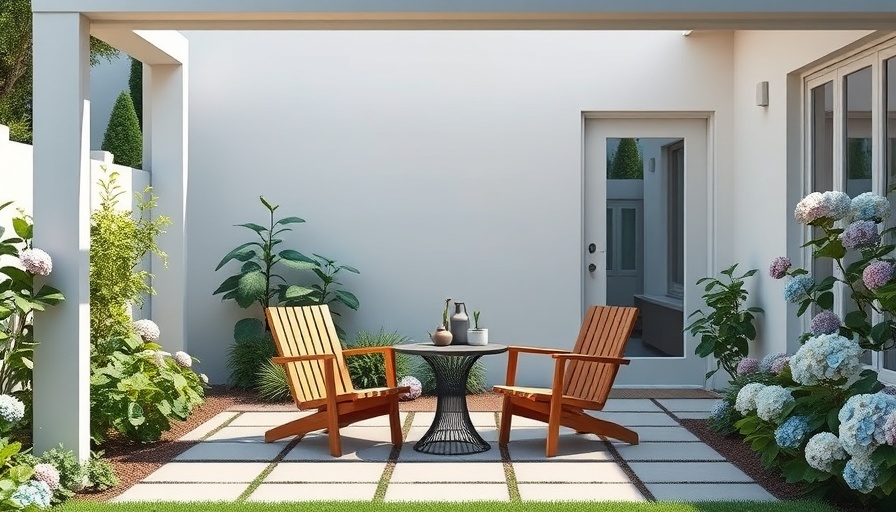
Minimalist backyard design with modern patio and greenery.

Transform Your Space: The Allure of Minimalist Backyard Design

Are you weary of cluttered outdoor spaces that demand constant upkeep? If the idea of a serene and stylish sanctuary just outside your back door appeals to you, then you're in for a treat. The concept of minimalist backyard design is gaining traction, focusing on simplicity, functionality, and elegance. It’s about creating tranquil environments that emphasize quality over quantity, allowing the beauty of nature to take center stage.

In MINIMALIST BACKYARD DESIGN IDEAS, the discussion dives into creating calm and functional outdoor spaces, and we’re breaking down its key ideas while adding our own perspective.

The Philosophy Behind Minimalism

Minimalist design is more of a philosophy than merely an aesthetic choice. It revolves around clean, uncluttered spaces with a limited color palette, prioritizing functional elements. The overall goal is to foster a sense of calm by allowing the natural beauty of the surroundings to shine through. By utilizing materials like wood, stone, and concrete in simple geometric patterns, homeowners can cultivate a sophisticated outdoor environment.

Key Benefits of a Minimalist Backyard

The allure of a minimalist backyard goes beyond just visual appeal. Here are some noteworthy advantages:

  • Low Maintenance: Fewer plants and decorative items can save you hours on gardening and cleaning, allowing for more leisure time.
  • Stress Reduction: A decluttered environment helps quiet the mind, transforming your backyard into a peaceful retreat from everyday stressors.
  • Spatial Expansion: Minimalism can make even a small yard feel spacious. The absence of visual clutter opens up the area, enhancing its perceived size.
  • Sustainable Choices: By focusing on durable, natural materials and timeless designs, minimalist backyards not only reduce waste but are cost-effective in the long run.

Designing Your Minimalist Oasis

Ready to embark on the journey of minimalist backyard design? Here are some actionable insights to help you get started:

  1. Create Clear Zones: Define separate areas for dining, lounging, and entertaining using different materials like gravel or paving stones.
  2. Choose Your Color Palette: Stick to a neutral base (whites, grays, blacks) and add splashes of color with a few carefully selected plants.
  3. Select Striking Plants: Instead of a multitude of species, choose a few impactful plants like tall grasses or sculptural trees.
  4. Lighting Matters: Install subtle lighting to illuminate pathways or favorite plants—creating warmth in the evening.

Essential Elements for Minimalist Design

To encapsulate the minimalist aesthetic, incorporating key items can elevate your outdoor space:

  • Sleek Furniture: Look for low-profile furniture with clean lines; materials like teak, metal, or concrete are great choices.
  • Built-in Seating: Consider built-in benches or planters that add functionality without cluttering your space.
  • Architectural Planters: Use large geometric planters as sculptural elements that define your space.
  • Water Features: A simple fountain or reflective pool can introduce tranquility without overwhelming the senses.
  • Cozy Fire Pits: A minimalist fire feature, like a built-in fireplace or a sleek fire pit, can serve as an inviting focal point.

Innovative Design Ideas to Inspire You

Here are some of the standout minimalist backyard design ideas to help spark your creativity:

  1. Modern Fireplace Focal Point: A large built-in fireplace with a neutral stone wall complements a cozy lounge area while prioritizing clean lines.
  2. Sleek Outdoor Kitchen and Lounge: Integrate a fully functional kitchen while maintaining a clean appearance using a dark palette accented with whites.
  3. Desert-Inspired Simplicity: Focus on drought-tolerant plants to craft a sustainable and visually striking landscape.
  4. The Serene Gravel Path: Utilize a smooth concrete path flanked by white gravel to create a visually rich and tranquil environment.
  5. Tiered and Textured Designs: Using levels and various materials fosters dynamic and modern spaces without overwhelming them.

Your Minimalist Journey Awaits

Whether you have a sprawling backyard or a compact urban patio, the principles of minimalist design can aid you in crafting a functional, calming outdoor retreat. Remember to be intentional with your choices, prioritize quality over quantity, and let the clean lines and simple forms speak for themselves.

So, are you ready to turn your backyard into a stylish oasis? Implementing these minimalist principles could not only enhance your outdoor space but also elevate your overall well-being. For more inspiration on transforming your outdoor living experience, keep exploring. We look forward to seeing how you embrace minimalism in your backyard!

Outdoor Living

7 Views

0 Comments

Write A Comment

*
*
Please complete the captcha to submit your comment.
Related Posts All Posts
08.28.2026

Essential Tips for Styling Houseplants to Transform Your Space

Update Transform Your Home with Thoughtful Plant Arrangements Have you ever felt your houseplants look a bit random and unorganized? It’s a common issue that many homeowners grapple with. The collection of plants you love can be overshadowed by their placement and display. Fortunately, with a few clever styling tricks, you can create a cohesive and appealing plant display that brings life to any space without needing to spend money on new plants. Here, we’ll explore innovative ways to style your houseplants for maximum impact. Understand the Power of Groupings One of the easiest ways to create visual interest is by grouping your plants together. Instead of spreading them out across various surfaces, consider arranging them in clusters. Grouping plants in threes offers balance and appeals visually. It's effective to choose plants of varying heights or unique shapes to introduce dynamics to your display. This makes the arrangement not only more organized but adds a layer of intrigue to your home decor. Creating Levels with Height Variations A flat display can lack depth, making the arrangement feel uninspired. Mixing heights—tall floor plants combined with medium and smaller plant varieties—can create an eye-catching layered effect. The visibility of different foliage levels adds curiosity and dimension, encouraging viewers to appreciate the intricate details of each plant. Utilizing Plant Stands for Visual Appeal Plant stands offer an elegant solution for creating height differences with minimal effort. By elevating smaller pots above larger plants, you ensure that even your petite plants receive their due recognition without being overshadowed. Opting for materials like wood or metal for stands not only serves a practical purpose but also enhances the aesthetic of your plant display. Make a Statement with a Large Plant Sometimes less is more. Rather than filling every available corner with numerous small plants, consider incorporating one striking statement plant. Species such as rubber plants or Monstera can anchor an empty space and become a focal point. By giving this plant elbow room, it creates a visual anchor that can transform a corner from lackluster to lively. Soften Hard Lines with Trailing Plants A common issue in homes is the prevalence of hard, straight lines from furniture or shelves. To combat this, place trailing plants like pothos or heartleaf philodendron on edges of shelves. Allow their vines to cascade down naturally to create a softer, more inviting feel that contrasts beautifully against rigid structures. Designate a Plant Display Shelf Instead of scattering your plants on every shelf throughout your home, create a dedicated plant display. This concentrated area can feature a symbiotic mix of upright and trailing plants, combined with decorative objects or books. This curated approach makes your plant collection feel intentional and organized. Coordinate Your Pots for Visual Cohesion While it’s not necessary for your pots to match perfectly, using similar colors, materials, or finishes can tie different plants together into a cohesive look. Repeating styles, such as various hues of terracotta or neutral containers, can subtly unify your plant display without acquiring all-new pots. Hide Plastic Nursery Pots for a Polished Look Plastic nursery pots are functional but often unsightly. A neat trick is to place these pots inside decorative baskets, giving a more refined appearance without needing to repot your plants. This approach works especially well with larger plants, adding texture and sophistication to your decor while ensuring the maintenance of water drainage. Embrace Diversity with Leaf Shapes Using plants with similar foliage can blend into one indistinguishable green mass. To create visual contrast, mix plants with diverse leaf shapes—broad leaves paired with fern-like textures or climbing vines. This diversity not only makes each plant stand out but also encourages viewers to appreciate the beauty of each species uniquely. Positioning Plants Based on Light Needs While styling is essential, ensuring that your plants thrive in appropriate lighting conditions is equally important. Take note of how much light your plants require and position them accordingly. A well-styled plant in inadequate lighting may wilt and lose its beauty, undoing your hard work. Use Window Spaces to Your Advantage Windows are often underutilized when it comes to houseplant arrangement. Consider placing plants nearby to ensure they receive the necessary light, turning windowsills into vibrant displays. This not only enhances your plant’s health but adds lively greenery to some of the most wooden areas of your home. Leave Room for Breathing Space Finally, while it can be tempting to fill every nook and cranny with plants, leaving some empty space can be revitalizing. This breathing room allows the beauty of each plant, as well as your decorative choices, to shine effectively, promoting balance throughout your home. In conclusion, styling your houseplants doesn’t require a significant investment; instead, thoughtful arrangement can turn a chaotic plant collection into a harmonious oasis. These strategies provide a framework through which homeowners can express their creativity and admiration for their plants, thus enhancing their living environments.

08.28.2026

Transform Your Hillside Yard with Innovative Retaining Wall Designs

Update SEO Keyword: Innovative Retaining Wall Designs Creating appealing and functional outdoor spaces can be a challenging endeavor, especially when dealing with sloped backyards. If you're a homeowner contemplating how to enhance your hillside yard, the right retaining wall is a crucial component in the design process. Innovative retaining wall designs not only stabilize the soil but also add aesthetic value and functionality to your landscape.In RETAINING WALL DESIGNS FOR SLOPED BACKYARDS IDEAS, the discussion dives into essential retaining wall strategies, exploring key insights that sparked deeper analysis on our end. Social Value of Retaining Wall Designs Retaining walls are more than just structural elements; they serve as critical parts of landscape architecture that facilitate drainage, prevent erosion, and manage water runoff. Homeowners often overlook the social implications of retaining walls. An exceptional retaining wall design can create terraced areas for flowers, vegetables, or outdoor gatherings, transforming your yard into a multi-functional space while adding to the community's visual appeal. Future Trends in Landscape Design As technology continues to influence landscaping practices, homeowners can expect innovative techniques and materials in retaining wall designs. From using recycled materials to incorporating smart technology for irrigation and drainage management, the future of retaining walls is sustainable and efficient. Expect to see walls equipped with moisture sensors that trigger irrigation systems, ensuring plants receive just the right amount of water, effectively conserving resources. Steps to Implementing Retaining Walls For those ready to take action, here’s a simple three-step process to guide you in implementing retaining walls effectively: Assessment: Evaluate your sloped yard and determine the purpose of your retaining wall. Do you want to create a flat area for a patio, improve drainage, or merely enhance visual appeal? Design: Consult with a landscape designer or use innovative design software to visualize how different retaining wall styles can integrate into your yard. Construction: Whether you choose to DIY or hire professionals, ensure that the construction follows the best practices to safeguard against potential landslides or drainage issues. Common Misconceptions About Retaining Walls Among homeowners, there are several misconceptions about retaining walls. One common myth is that they are only functional and neglected aesthetics. However, modern retaining walls come in various materials, including stone, brick, and timber, allowing for creativity and style that complements your home and garden. Another misconception is that all retaining walls require extensive maintenance. Although regular inspections are essential, high-quality materials and proper installation can significantly reduce upkeep needs. Choosing the right design also plays a role in ensuring longevity. Conclusion: Take Action for Your Outdoor Space If you’re considering enhancing your sloped backyard, evaluating retaining wall options is a substantial first step. Not only do they offer practical solutions, but they also lead to beautiful transformations that can positively impact your home and community. Innovative retaining wall designs make your yard inviting and functional, setting a precedent for quality landscape architecture in your neighborhood. Don't hesitate to reach out to professionals or utilize smart technologies to create the ideal design for your outdoor living space. By investing time and resources into your hillside yard, you're not just changing your property; you're contributing to a thriving community that values aesthetics and functionality.

08.27.2026

Revitalize Your Potted Geraniums: Essential Tips to Restore Their Lushness

Update Revitalizing Your Garden: The Importance of Maintenance For many homeowners, potted geraniums serve as a vibrant centerpiece for outdoor gardens. Their colorful blossoms can brighten up patios, balconies, and front yards, making them a favorite among garden enthusiasts. However, after seasonal changes and environmental stressors, these beloved plants can start to show signs of fatigue. Recognizing the need for maintenance is essential for restoring their lush appearance. Geraniums not only beautify landscapes but also provide benefits such as improving air quality and enhancing overall mood. To ensure these plants thrive, here are essential tips for rejuvenating your potted geraniums. 1. Providing Adequate Watering One of the primary reasons potted geraniums may appear tired is inconsistent watering. Geraniums prefer well-drained soil that is kept moist but not soggy. Using a moisture meter can help homeowners determine the right time to water, ensuring the plants receive adequate hydration. It's crucial to remember that overwatering can be more detrimental than underwatering, leading to root rot and other issues that can significantly affect the plant’s health. A good rule of thumb is to check the soil every few days and water only when the top inch feels dry. Additionally, consider the type of pot being used; terracotta pots are porous and may require more frequent watering compared to plastic containers. Adjusting your watering schedule according to the pot type and the environmental conditions can make a significant difference in the health of your geraniums. 2. Fertilizing for Optimal Growth Regular fertilization is vital for maintaining healthy geraniums. A balanced fertilizer can enhance soil nutrition and encourage vibrant blooms, especially during the spring and summer months when the plants are in active growth. It's advisable to fertilize during the growing season and follow the recommended amounts on the product label. For organic options, compost tea can be a natural alternative that enriches the soil with beneficial microorganisms and nutrients. Homeowners might also consider using slow-release fertilizers, which can provide a consistent nutrient supply over time, making feeding less of a hassle. Additionally, observing your plants for signs of nutrient deficiencies, such as yellowing leaves or lack of blooms, can help inform your fertilization schedule. Regularly enhancing your soil’s health is key to supporting a thriving garden. 3. Pruning and Deadheading Pruning your geraniums not only encourages healthy growth but also helps in removing faded flowers that detract from visual appeal. Regular deadheading—cutting off spent blooms—promotes new flower production and ensures a more abundant season. Homeowners can also prune back leggy growth to rejuvenate the plant. In addition to these practices, consider shaping the plant by trimming back overly long stems, which can also improve air circulation around the foliage and reduce disease risks. Furthermore, it’s wise to use clean, sharp tools to prevent the spread of disease from one plant to another during the pruning process. Having a well-maintained plant not only looks better but also decreases the susceptibility to diseases that could devastate your geranium population. 4. Pest Control Measured Approach Keeping a watchful eye for pests is crucial for maintaining healthy geraniums. Common pests like aphids and spider mites can sap the vitality of geraniums. To manage infestations, introducing beneficial insects, such as ladybugs, or using insecticidal soap can be effective solutions. Regularly inspecting plants will lead to early detection and effective management, ensuring their longevity. Additionally, homeowners should consider implementing preventative measures, such as keeping the garden tidy and removing any debris that can harbor pests. For a more eco-friendly approach, consider using neem oil; this natural pesticide can tackle various garden pests while being safe for the environment. Educating yourself on common pests and their lifespan will also assist you in implementing timely interventions. Tip: Consider rotating the area where you place your geraniums each season to disrupt the life cycles of any pests that may have taken hold in the soil. 5. Optimal Sunlight Exposure Geraniums thrive in sunlight, requiring at least six hours of direct sunlight per day for optimal growth. Homeowners should consider their garden’s layout and adjust the placement of pots accordingly. If geraniums are currently shaded by taller plants or structures, relocating them can dramatically improve their health. Moreover, during the intense heat of summer, intermittent shade can protect them from scorching, and simply moving pots or using shaded cloths can make a significant difference in their resilience. Remember that too much heat can also cause wilting, therefore, monitoring temperature is key—especially in extreme weather conditions. If unsure about the needs of your geraniums, observing the plants for signs of stress, such as drooping or scorched leaves, can help guide decisions regarding light exposure. 6. Seasonal Care and Preparation Finally, understanding the seasonal needs of geraniums is key. As temperatures rise, houseplants may require more frequent monitoring and care adjustments. Conversely, as seasons shift towards cooler temperatures, consider bringing your pots indoors before the frost sets in. This proactive care can prevent damage and ensure your geraniums remain vigorous year-round. Homeowners might also consider providing additional indoor lighting if they need to keep their plants indoors for extended periods, as this can help in maintaining growth even during the short winter days. Another strategy to help your geraniums transition through seasons is to give them a light cleaning with a damp cloth, removing any dust that may block sunlight and improving photosynthesis.Pro Tip: Keep a calendar of your plant care schedule to adjust based on seasonal changes effectively, ensuring your geraniums receive the best care at all times. Conclusion: Bringing Your Geraniums Back to Life With attentive care rooted in these straightforward steps, homeowners can breathe new life into their weary geraniums. Remember, the health of your plants not only contributes to your garden's aesthetic value but also enhances your personal enjoyment and emotional well-being. A vibrant garden elevates the home environment, providing both aesthetic pleasure and emotional solace. So grab your gardening tools and tackle those tired potted plants today! Implementing these practical steps will help you cultivate a blooming and sustainable garden, making your outdoor space a joy to behold for seasons to come. By investing a bit of time and effort into understanding and addressing the needs of your geraniums, you not only preserve the beauty of your garden but also foster a deeper connection with nature in your own backyard.

cropper
HOME SERVICE HUB

Homeowners seeking trusted advice and resources for maintaining and improving their properties

COMPANY

  • Privacy Policy
  • Terms of Use
  • Advertise
  • Contact Us
  • Menu 5
  • Menu 6

949-375-3833

AVAILABLE FROM 8AM - 5PM

Huntington Beach, CA

18685 Main Street 101-228
Huntington Beach, CA 92648

ABOUT US

Home Service Hub is a subsidiary of High Octane Digital Group.

© 2026 CompanyName All Rights Reserved. Address . Contact Us . Terms of Service . Privacy Policy

Terms of Service

Privacy Policy

Core Modal Title

Sorry, no results found

You Might Find These Articles Interesting

T
Please Check Your Email
We Will Be Following Up Shortly
*
*
*