
HOME SERVICE HUB
  • Home
  • Categories
    • Smart Home Solutions
    • Gardening
    • Landscaping
    • Home Exterior
    • Outdoor Living
    • Smart Homes
    • Lawncare
    • Lighting Solutions
    • Plumbing Tips
  • Featured Business Profiles
June 27.2025
3 Minutes Read

Unlock the Secrets of Planting Lavender Seeds or Seedlings in Your Garden

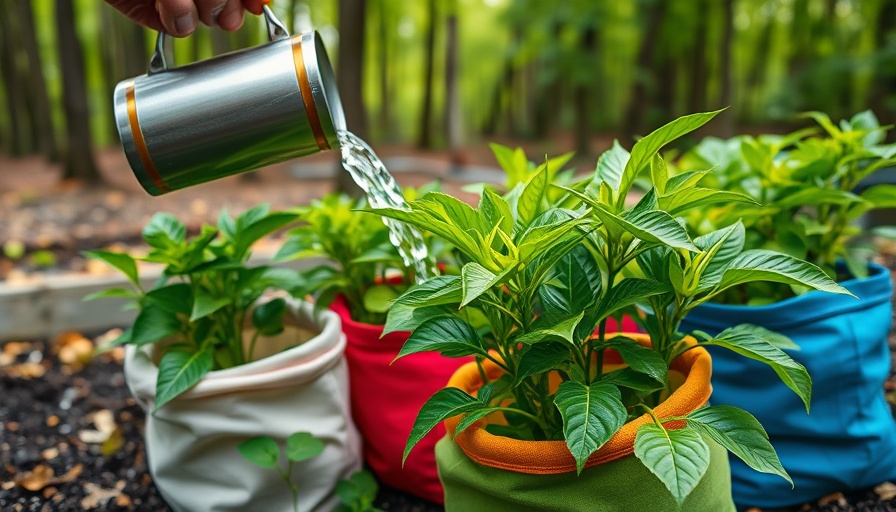
Pepper plants in grow bags demonstrate watering methods compared to when to plant lavender from seeds or seedlings.

The Beauty and Benefits of Lavender in Your Garden

Lavender is more than just a beautiful addition to your home garden; it's a multitasking marvel. Known for its intensely fragrant flowers, which bloom from early to late summer, lavender is a favorite among gardeners. Not only does it beautify spaces, it serves as a natural pollinator attractor, bringing bees, butterflies, and other beneficial insects into your yard. Beyond its aesthetic appeal, lavender boasts therapeutic benefits, with its scent often used in aromatherapy to promote relaxation and reduce stress.

Understanding When to Plant Lavender: The Perfect Timing

For homeowners eager to cultivate lavender in their gardens, timing is key. Planting should typically occur in the spring after the last frost, allowing the young seedlings to acclimate to their environment without the risk of frost damage. However, the optimal planting time can vary by region and depends on the specific type of lavender being planted.

If you’re considering growing lavender from seeds, it’s essential to start them indoors approximately 6 to 8 weeks before the last expected frost date in your area. This is especially important for varieties like English lavender (Lavandula angustifolia), which needs that head start to thrive once transferred outdoors.

The Different Types of Lavender to Consider

Before planting, familiarize yourself with the various types of lavender to select the best fit for your garden. Here are the most popular varieties:

  • English Lavender (Lavandula angustifolia) - Thriving in USDA zones 5 to 8, this classic garden plant is cherished for its hardiness and stunning blooms ranging from lavender to deep purple.
  • Hybrid Lavender (Lavandula x intermedia) - A robust choice that thrives in cooler and warmer climates, this hybrid offers lovely mid to late summer flowers.
  • Spanish Lavender (Lavandula stoechas) - Ideal for warmer climates, it’s known for its unique bract-topped flowers and drought resistance, making it perfect for patio gardening.
  • French Lavender (Lavandula dentata) - It offers a long bloom season but is less fragrant than its English counterpart. For gardeners in colder regions, consider it as a tender annual.

Preparing Your Garden for Lavender

To ensure your lavender thrives, consider the following tips before planting:

  • Location, Location, Location: Choose a spot that receives full sun for at least 6 to 8 hours a day.
  • Soil Quality: Ensure well-draining soil, as lavender dislikes standing water. Amend your garden soil with sand or gravel if necessary.
  • Spacing: Space your plants appropriately to allow air circulation, which is crucial for preventing diseases.

Planting Techniques for Successful Growth

Once you've selected the ideal location and prepared your soil, planting lavender can be as simple as following these steps:

  1. Dig a hole that is twice the size of the plant’s root ball.
  2. Loosen the roots gently to encourage outward growth.
  3. Position the plant, ensuring that the base of the stem is level with the soil surface.
  4. Water thoroughly after planting and apply a light layer of mulch if necessary, but avoid covering the stems.

Future Predictions: The Lavender Growing Trend

As more homeowners seek low-maintenance yet stunning plants, lavender’s popularity is only expected to grow. Its various uses—from culinary herbs to natural pest deterrents—make it an attractive plant for modern gardeners. Additionally, lavender farming is becoming more mainstream, not just for home gardeners but also for commercial purposes, with many exploring the potential of lavender oils and products.

Conclusion: Embrace Lavender in Your Garden

Adding lavender to your gardening repertoire can elevate your garden's aesthetics while providing a habitat for pollinators and a means for relaxation. Given its resilience and versatility, why not start a lavender garden today? Whether you're using seeds or seedlings, understanding the right planting methods and timing is crucial for a thriving garden. Don't overlook the joy that this beautiful herb can bring. Start planning your lavender garden now and enjoy the journey!

Landscaping

6 Views

0 Comments

Write A Comment

*
*
Please complete the captcha to submit your comment.
Related Posts All Posts
05.23.2026

Why Your Zucchini Plant Is Not Producing: Solutions to Fix It

Update Why Your Zucchini Isn't Thriving: Key Reasons Uncovered Zucchini is a staple in many home gardens. Known for its hardy growth and generous output, this delightful vegetable can be a rewarding endeavor for both novice and experienced gardeners alike. However, what happens when your zucchini plant exhibits an abundance of vibrant flowers yet yields no fruit? Let’s explore the common culprits behind this garden dilemma and how you can set things right. The Most Likely Culprit: Lack of Pollination The first and foremost reason for an unproductive zucchini plant is often poor pollination. Zucchini, like other squash plants, produces distinct male and female flowers. Male flowers typically have a straight stem, while the female flowers present a tiny fruit at the base. In order for the fruit to develop, pollen must be transferred from the male flower to the female flower, a task generally handled by pollinators such as bees. To encourage these vital insects, consider planting companion plants like nasturtiums and sweet alyssum which attract pollinators. If you’re in an area with low pollinator activity, you might need to take matters into your own hands and resort to hand pollination. This can be done using simple tools like a Q-tip or even your finger, especially in the morning when flowers open. This effort can significantly increase your zucchini yield! Watering Concerns: Nature’s Influence Another factor contributing to a non-producing zucchini could be related to wet weather or improper watering practices. Zucchini plants are thirsty creatures and thrive on consistent moisture. If your garden has been experiencing a dry spell, deep watering is essential. Be sure to focus the water at the base of the plant and try to keep the flowers dry to maintain the quality of the pollen. A balanced watering schedule that incorporates a weekly check on soil moisture can prevent drought stress, allowing your zucchini plant to flourish. Implementing mulch around the base can also help retain moisture. The Impact of Temperature Extremes Temperature plays a critical role in the health of your zucchini plants. Excessively hot weather can lead to the plants dropping their flowers, inhibiting fruit set. This phenomenon can be particularly frustrating for gardeners hoping to reap the benefits of homegrown zucchini. To combat this, consider providing shade during the hottest parts of the day or using shade cloth to shelter your plants. Maintaining a consistent temperature may protect your flowers from premature wilting. Soil Health Matters! Your zucchinis could also suffer from poor soil health. Nutrients are vital to support rapid growth and consistent fruit production. Testing your soil's pH and nutrient levels can give you a clearer idea of any deficiencies that could hinder your zucchini plants. Adding organic compost can enrich your soil, providing essential nutrients that help support robust plant development. In addition, ensure your zucchini plants are planted in well-draining soil. Standing water can lead to root rot, severely damaging plant health. A raised garden bed or proper drainage solutions could be the key to thriving zucchinis. Conclusion: The Path to a Fruitful Harvest Growing zucchini doesn’t have to be a challenging endeavor. Being aware of the typical reasons behind a non-producing squash plant can empower you to take effective actions. From ensuring adequate pollination to maintaining proper watering and checking soil health, each step contributes to your success as a gardener. Don't let the mystery of unproductive zucchinis deter your gardening spirit! Embrace the knowledge, implement some changes, and soon enough, you could be enjoying the fruits (quite literally) of your labor this summer. While these tips are a solid foundation for getting your zucchini back on track, continuing to engage with gardening communities can also provide additional insights and support. Happy gardening!

05.22.2026

Effective Natural Solutions to Combat Aphids on Tomato Plants

Update Beat the Aphids: Natural Solutions for Tomato Plant Care Homeowners who cherish their gardens and yearn for vibrant tomato plants often face a menace that can threaten their hard work: aphids. These tiny, soft-bodied insects can rapidly multiply, sucking the life out of your precious plants, leading to yellowed leaves and stunted growth. Fortunately, there are effective and environmentally-friendly strategies to keep these pests at bay. Understanding the Aphid Threat Aphids are typically small, oval-shaped insects that come in various colors, including green, black, and yellow. They are most commonly found in large colonies, particularly on the undersides of leaves where they thrive on young growth. Their feeding habits do more than just harm the appearance of your plants; they also secrete a sticky substance known as honeydew, which can attract ants and lead to the development of sooty mold. Natural Pest Control: A Holistic Approach Instead of reaching for chemical solutions, many gardeners are discovering the merits of natural methods for pest control. The goal is to promote an ecosystem within your garden that encourages beneficial insects that prey on aphids. Encouraging Beneficial Insects Ladybugs and green lacewings are voracious consumers of aphids, making them key allies in the battle against infestations. Planting garlic, dill, or yarrow can attract these helpful insects while maintaining your garden's biodiversity. It's not just about the plants; providing habitats for birds can also keep insect populations in check. Simple Yet Effective Remedies 1. **Hand Removal:** Early in the season, you can physically remove aphids by spraying them off plants with a strong stream of water or knocking them into a bucket of soapy water. This method is easy, inexpensive, and effective for small infestations. 2. **Soap Solutions:** Create a homemade insecticidal soap by mixing a few tablespoons of pure liquid soap (like castile) with water. Spray directly onto aphids, covering the undersides of leaves. The soap works by dissolving their protective outer layer, effectively killing them without harming beneficial insects. 3. **Neem Oil:** This organic compound is an excellent repellent for aphids and other pests. It’s crucial to follow the instructions for dilution and application to ensure its effectiveness while minimizing any negative impact on beneficials. 4. **Essential Oils:** Combine a few drops of peppermint, rosemary, and thyme essential oils with water in a spray bottle. This mixture can repel aphids and leave your garden smelling fresh. Growing Companion Plants Prevent future infestations by employing companion planting. Marigolds, basil, and chives are excellent partners for tomatoes as they repel aphids while enhancing their growth. Addressing Misconceptions It’s a common myth that chemical pesticides are the only effective way to combat pests. However, these harsh treatments can harm the environment and beneficial insect populations. By adopting natural methods, you can enjoy a thriving garden without compromising ecological balance. Future Trends in Aphid Control With increasing awareness of environmental issues, the trend towards sustainable gardening is on the rise. Homeowners are moving away from harmful pesticides and are instead looking for organic solutions that promote plant health and biodiversity. In conclusion, maintaining a beautiful tomato garden doesn’t have to come at the expense of your plants’ health or the environment. By embracing natural solutions and understanding the ecosystem of your garden, you can effectively manage aphid populations and enjoy the bounties of your labor. Ready to enhance your garden’s health? Start implementing these natural solutions today and watch your tomatoes thrive!

05.15.2026

Discover the Secret of Soil Knives: The Must-Have Garden Tool

Update The Essential Gardening Tool You Didn’t Know You Needed: The Soil Knife In the diverse world of gardening tools, one instrument stands out for its remarkable versatility and efficiency: the soil knife, often referred to as a hori hori knife. With its ancestral roots in Japan, this dynamic tool can replace multiple gardening implements, making it a must-have for homeowners eager to cultivate a thriving garden. Why Every Gardener Should Embrace the Soil Knife Whether you’re planting bulbs, digging out stubborn weeds, or prepping soil for the next season, the applications of a soil knife are seemingly endless. This tool not only helps in creating furrows for seeds but also works wonders in loosening hard-packed soil and dividing perennials. Its serrated edge allows for effortless cutting of roots and twine, and many models even come with measuring marks for depth and spacing, ensuring precision in every gardening task. Upgrading Your Gardening Arsenal: What to Look For When choosing a soil knife, consider the blade’s material and design. A stainless steel blade is recommended for its durability and rust resistance. Ideal models include those with a tapered point for penetrating tough soil, an ergonomic handle for comfort, and a measuring guide to assist with planting. As suggested by avid gardeners, incorporating a knife with a comfortable grip significantly enhances the gardening experience. Transforming Tool Efficiency: The Soil Knife’s Benefits The synergy of the soil knife’s features streamlines gardening tasks. From digging holes for seedlings to swiftly severing twine, this tool merges the functions of various others into one sleek design. In reality, the time saved on each task adds up, allowing for a more enjoyable and productive gardening experience. The ability to eliminate double-handling with different utensils not only boosts efficiency but minimizes fatigue, enhancing the pleasure of gardening. Practical Tips for Garden Knife Usage As with any tool, proper use and maintenance extend the life of your soil knife. Regularly sharpen the edge for precise cuts and clean the blade after use to prevent soil and moisture damage. Additionally, familiarize yourself with techniques such as using the knife to leverage under weeds, making for an efficient extraction that minimizes harm to surrounding plants. Tools of the Trade: How a Soil Knife Stands Out Unlike typical trowels that serve single functions, the soil knife encompasses a multitude of tasks. For gardeners, this means reducing clutter and complexity in tool selection. Efficient measurements for planting depths and row spacing prevent overcrowding and promote healthy growth, highlighting the wisdom behind having a multi-use tool in your toolkit. In light of these advantages, integrating a soil knife into your regular gardening routine is not just a suggestion but an encouraging call to simplify your gardening experience. This handy tool is more than just a knife; it is a gardener's trusty companion. Call to Action: Elevate Your Gardening Game Don’t miss out on the benefits that a soil knife can bring to your gardening practice. Take the next step in optimizing your garden tools and experience firsthand how a humble knife can make a world of difference. Equip yourself with this essential tool today, and watch as it transforms the way you interact with your garden!

Terms of Service

Privacy Policy

Core Modal Title

Sorry, no results found

You Might Find These Articles Interesting

T
Please Check Your Email
We Will Be Following Up Shortly
*
*
*